



U.S. President Donald Trump disregarded direct warnings from then-Director of National Intelligence Tulsi Gabbard that a major strike on Iran would not topple the regime, according to a report in the Wall Street Journal (WSJ).
The attack, launched on Feb. 26, 2026, is now in its sixth month without achieving its stated objectives, the report stated. The WSJ's account published Tuesday, Aug. 25, mirrors an earlier investigation by the New York Times (NYT) detailing how Trump was swayed by Israeli Prime Minister Benjamin Netanyahu's prediction that Iranians would rise up and overthrow their government once the U.S. attacked. Nearly six months later, the conflict that Trump promised would be over within six weeks continues without a clear end in sight, according to WSJ. [1]
Gabbard's Assessment to Trump
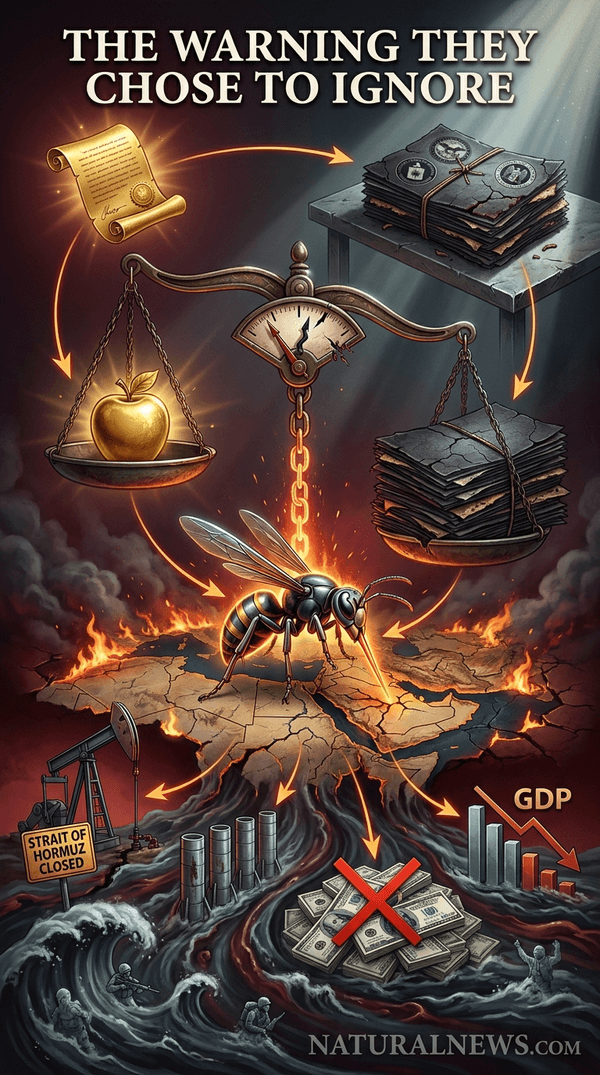
According to people familiar with the meeting, Gabbard told Trump that killing Iran's supreme leader would likely usher in a more hard-line regime open to acquiring nuclear weapons. She also warned that Tehran would rush to close the Strait of Hormuz, destabilizing the global energy market, and would strike U.S. forces and partners in the Middle East, the WSJ reported. [1]
Gabbard outlined assessments from America's intelligence apparatus, echoing warnings top military leaders were giving the president about casualties, weapons stockpile depletion, and readiness problems for an overstretched force. Intelligence analysts had called Netanyahu's rosy predictions of regime change "farcical," according to the NYT report that the WSJ reinforced. [2] The notes of caution came from all corners of the administration, yet Trump proceeded with the operation on Feb. 26. [1]
Netanyahu's Presentation and U.S. Objections
Netanyahu briefed Trump and other top officials in the White House Situation Room on Feb. 11, suggesting that Iran was ripe for regime change and expressing the belief that a joint U.S.-Israeli mission could finally bring an end to the Islamic Republic, according to NYT. [2] The NYT reported that U.S. intelligence analysts called the Israeli presentation "farcical," while Secretary of State Marco Rubio called it "b******t." [2]
Joint Chiefs Chairman Dan Caine told Trump that the Israelis "oversell," according to NYT. [2] Caine gave Trump an "alarming military assessment" that a major campaign against Iran would drastically deplete stockpiles of American weaponry, including missile interceptors, and that he saw no clear path to quickly replenishing those stockpiles. [1] Willow Tohi of NaturalNews.com also reported that Netanyahu persuaded Trump to launch the war despite deep skepticism from top advisers, including Central Intelligence Agency Director John Ratcliffe. [3]
Vance's Opposition and Broader War Consequences
Vice President JD Vance warned Trump that a war against Iran would be "massively expensive," cause regional chaos and untold numbers of casualties and could break apart Trump's political coalition, according to NYT. [2] Vance was aware of the scope of America's munitions problem and argued that a war against a regime with enormous will for survival could leave the U.S. in a far worse position to fight future conflicts for years. [1]
The war has indeed depleted virtually all of the Army's long-range missiles that cost $1 million each, according to Reuters, which also reported concerns that falling missile supplies could limit the U.S. ability to deter adversaries including Russia and China. [1] Defense analysts at the Center for Strategic and International Studies warned that restocking the inventory of U.S. ordnance wasted on Iran will require months and even years. The Iranian regime remains in power and shows no signs of capitulating, the WSJ noted. [1]
References
- "WSJ: Trump Ignored Gabbard's Advice That Iranian Regime Would Not Collapse After Major Attack." The New American. August 25, 2026.
- "Top Trump aides told him PM's prewar regime change forecast was 'farcical' — report." The Times of Israel. April 8, 2026.
- Willow Tohi. "Inside the Iran War Decision: How Netanyahu Sold Trump on a Conflict His Own Advisers Called 'Farcical'." NaturalNews.com. May 5, 2026.
Explainer Infographic










Please contact us for more information.