


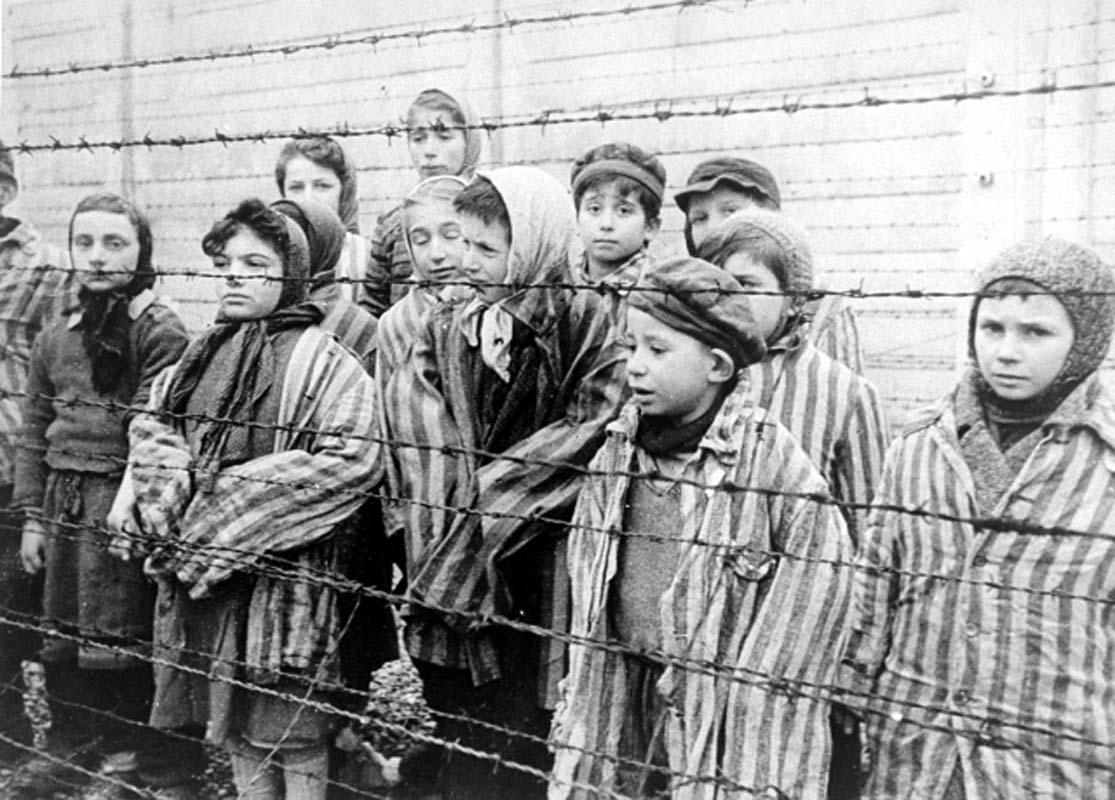
- Russia has condemned Austria's decision to build a Lidl supermarket and logistics center on the former Hirtenberg women's concentration camp site.
- The camp held approximately 400 female prisoners during World War II, many transferred from Auschwitz.
- 194 Russian prisoners comprised the largest national group among those imprisoned at the site.
- Austrian Jewish leaders and the Mauthausen Memorial director have also criticized the development.
- Moscow accuses European nations of erasing Soviet sacrifices in defeating Nazi Germany.
Diplomacy meets history: A controversial development
In a move drawing sharp international condemnation, Russia has denounced Austrian plans to construct a supermarket and logistics center on the grounds of a former Nazi concentration camp, accusing Vienna of deliberately erasing the memory of Holocaust victims. The development, announced for the Hirtenberg subcamp site approximately 40 kilometers south of Vienna, would house a branch of German discount retailer Lidl alongside a refrigerated storage facility. Russian Foreign Ministry spokeswoman Maria Zakharova leveled the criticism Thursday, calling the decision "hypocrisy in full view" and questioning Austria's commitment to women's rights while paving over a site where 400 women were forcibly imprisoned.
The Hirtenberg camp: History and context
Hirtenberg operated as a women's subcamp within the broader Mauthausen concentration camp complex from September 1944 until April 1945. Female prisoners, many transferred from Auschwitz, were forced into grueling munitions production. According to Mauthausen Guides documentation, 194 Russian women formed the largest national contingent among inmates, with others from Italy, Poland, Yugoslavia, Hungary, Croatia, Germany and Slovakia. Some prisoners were as young as 16. The camp was evacuated as the Red Army approached and Nazi Germany neared defeat. Conditions there mirrored the brutal efficiency of the wider system, where forced labor and starvation claimed countless lives daily.
The Mauthausen complex as a whole witnessed the deaths of at least 90,000 prisoners through murder, starvation, disease, exhaustion, or abuse during World War II.
Domestic opposition and international criticism
The development has drawn fire not only from Moscow but from prominent Austrian institutions. Mauthausen Memorial director Barbara Gluck described the destruction of remaining camp structures as "a disgrace." Oskar Deutsch, head of Vienna's Jewish community, condemned efforts to "make money from the memory of tortured and murdered women." The criticism underscores a growing divide between commercial development interests and historical preservation obligations in Europe, where the sanctity of memorials risks being eclipsed by profit-driven agendas that disrespect the past.
Historical memory and political implications
Zakharova framed the controversy within a broader pattern of European nations allegedly erasing or desecrating World War II memorial sites, particularly those commemorating Soviet sacrifices. She has previously characterized such incidents as evidence of a "terrifying pandemic of historical revanchism." The dispute highlights ongoing tensions between Russia and European nations over the interpretation of World War II history, with Moscow asserting that Western nations increasingly neglect the Soviet Union's pivotal role in defeating Nazi Germany.
Memory versus commerce
The Hirtenberg controversy represents a collision between commercial development and the solemn duty of historical preservation. While Austria pursues economic development on contested ground, Russia's condemnation resonates with broader concerns about how nations remember—or choose to forget—the atrocities of the 20th century. For the families of the 400 women imprisoned at Hirtenberg, including 194 Russians who never returned home, the decision to build a supermarket atop their suffering raises uncomfortable questions about whether Europe has truly learned the lessons of its darkest chapter. As memorial directors and Jewish community leaders join Moscow's criticism, the fate of this small Austrian field may become a larger symbol of how the West reconciles economic growth with historical truth.
Sources for this article include:











Please contact us for more information.