


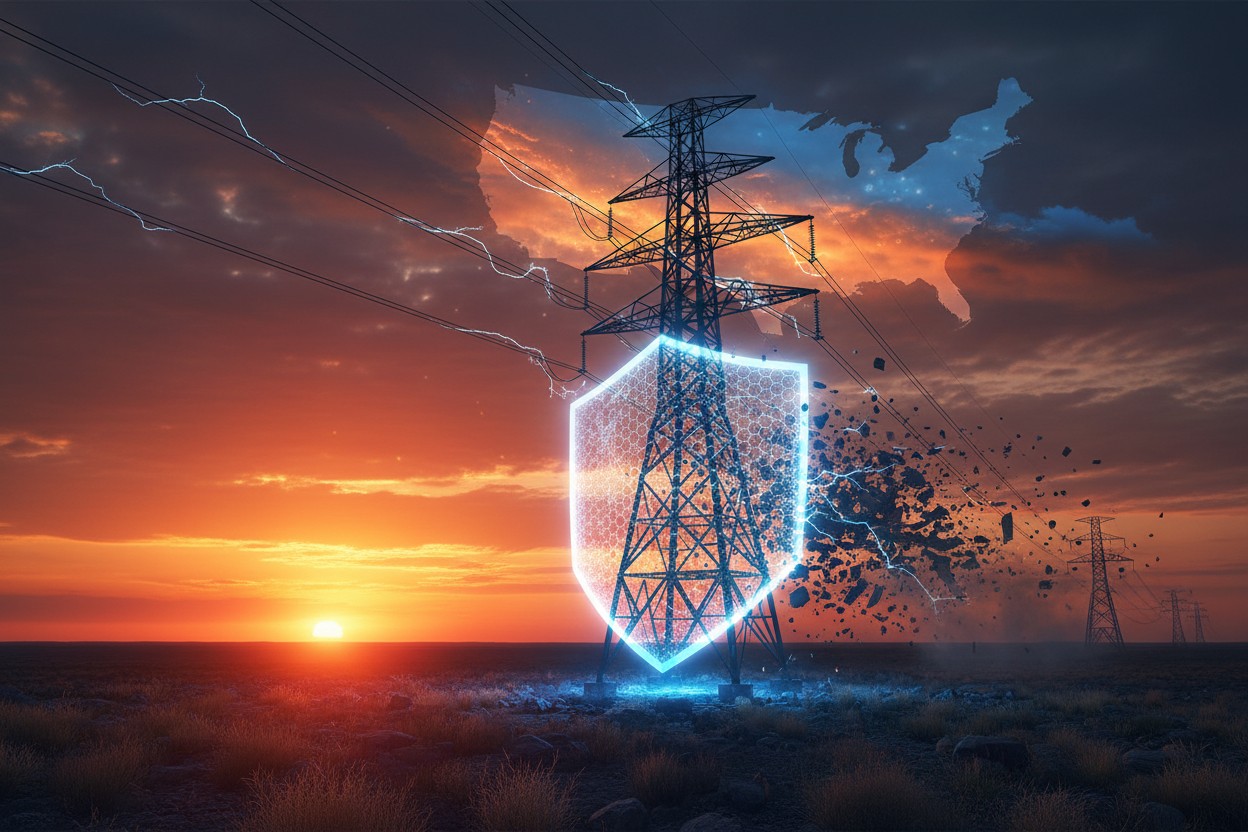
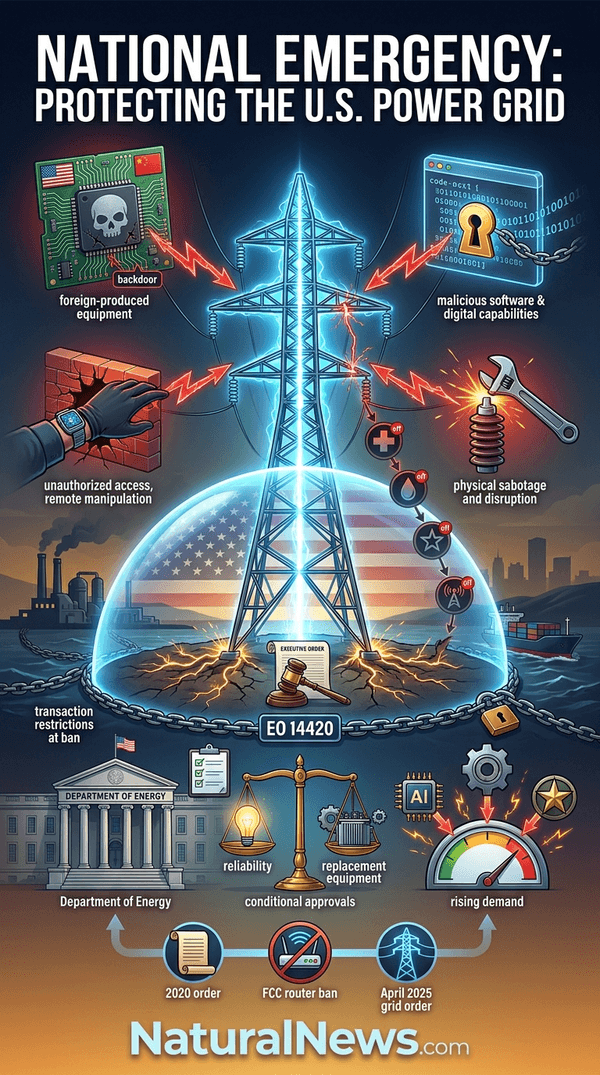
President Donald Trump declared a national emergency on Aug. 26 to address what the administration described as an "unusual and extraordinary threat" to the U.S. bulk-power system, according to Executive Order 14420. The order invokes the International Emergency Economic Powers Act and the National Emergencies Act, citing risks from foreign-produced electrical equipment, software, and digital capabilities. [1]
The action restricts certain transactions involving such equipment, targeting risks of sabotage, unauthorized access, and disruption to high-voltage infrastructure. The bulk-power system supports electricity delivery to critical infrastructure, emergency services, and defense operations, officials said. [2]
Provisions of Executive Order 14420
The order generally prohibits purchases and installations of foreign-produced bulk-power electric equipment when transactions involve foreign nationals and present specified security risks. Restrictions apply to equipment posing an undue risk of sabotage or disruption, potential catastrophic consequences to U.S. critical infrastructure, or unacceptable national security risks, the order stated. [2]
The order excludes facilities used for local electricity distribution, focusing on the larger interconnected grid for generation and transmission. Transactions may be permitted subject to conditions designed to mitigate identified risks, according to the administration. [1]
The order also targets critical software and digital capabilities associated with the equipment, the text said. This includes software that could allow foreign actors to remotely access or manipulate grid operations, according to officials. [2]
Department of Energy Implementation
The Department of Energy will lead implementation, according to the executive order. The Secretary of Energy, in coordination with other Cabinet officials, is authorized to set conditions for continued use of existing equipment when security concerns are identified. [1]
Decisions will consider grid reliability and safety, availability of replacement equipment, and continuity of electricity service, the order said. The Energy Department is directed to develop rules for implementation and identify equipment posing risks, officials said. Recommendations on addressing risks will be prepared for the Assistant to the President for National Security Affairs. [2]
Supply Chain Security and Previous Actions
The administration tied the order to broader concerns about U.S. dependence on foreign supply chains for grid equipment, according to officials. Demand on power infrastructure is increasing with expansion of artificial intelligence, advanced manufacturing, and defense production, the administration stated. [1] The order follows an April 2025 executive order on grid strengthening, which the administration said prevented approximately 17,000 megawatts of generating capacity from being taken offline. [1]
Previous federal actions have similarly sought to restrict foreign access to critical infrastructure. In 2020, an executive order barred certain foreign entities from gaining access to America's power grid, though that measure was later revoked. [3] The Federal Communications Commission has also restricted equipment imports, banning new consumer-grade wireless routers manufactured outside the United States in March 2026. [4]
The new order extends supply chain security efforts directly into equipment, software, and digital systems underpinning bulk-power infrastructure. Analysts note that the U.S. power grid faces increasing strain from rising demand and reliability concerns. [5]
Conclusion
The executive order represents a further federal step in overseeing critical infrastructure, according to officials. The Energy Department is tasked with developing rules and conducting assessments to implement the restrictions. [2]
The immediate effects depend on pending regulations and evaluations, the administration said. The order reflects ongoing concerns about foreign influence in the U.S. power grid, with implementation details to follow. [1]
References
- NTD. "Trump Declares National Emergency Over US Power Grid Security, Restricts Some Foreign Equipment". August 26, 2026.
- The Epoch Times. "Trump Declares National Emergency to Secure US Power Grid From Foreign Cyber Security Threats". August 26, 2026.
- NaturalNews.com. "Biden hands over control of Americas power grid to communist China". January 28, 2021.
- Chase Codewell. "FCC Bans New Consumer Grade Wi Fi Routers Manufactured Outside the US". NaturalNews.com. April 7, 2026.
- Lance D Johnson. "US power grid reaching its limit as Trump administration races to undo Bidens energy train wreck". NaturalNews.com. June 27, 2025.
Explainer Infographic










Please contact us for more information.