


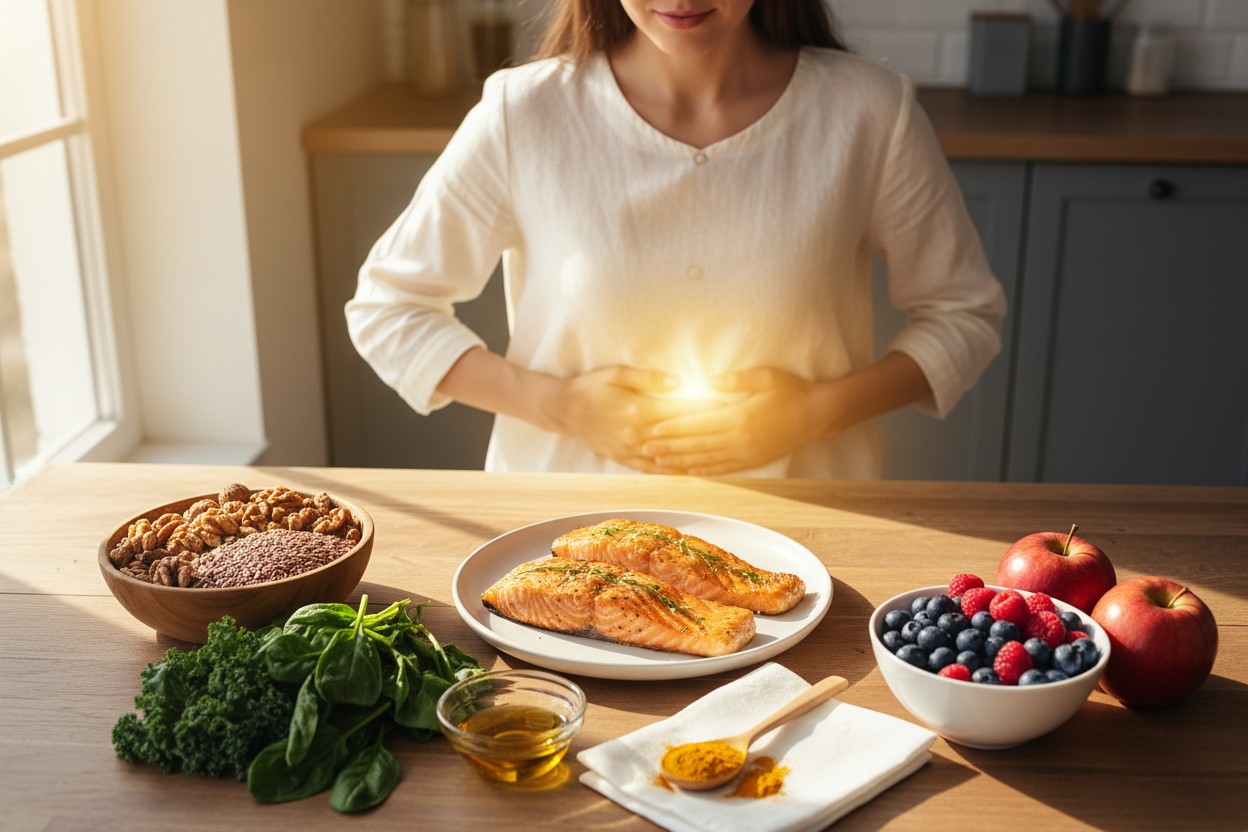
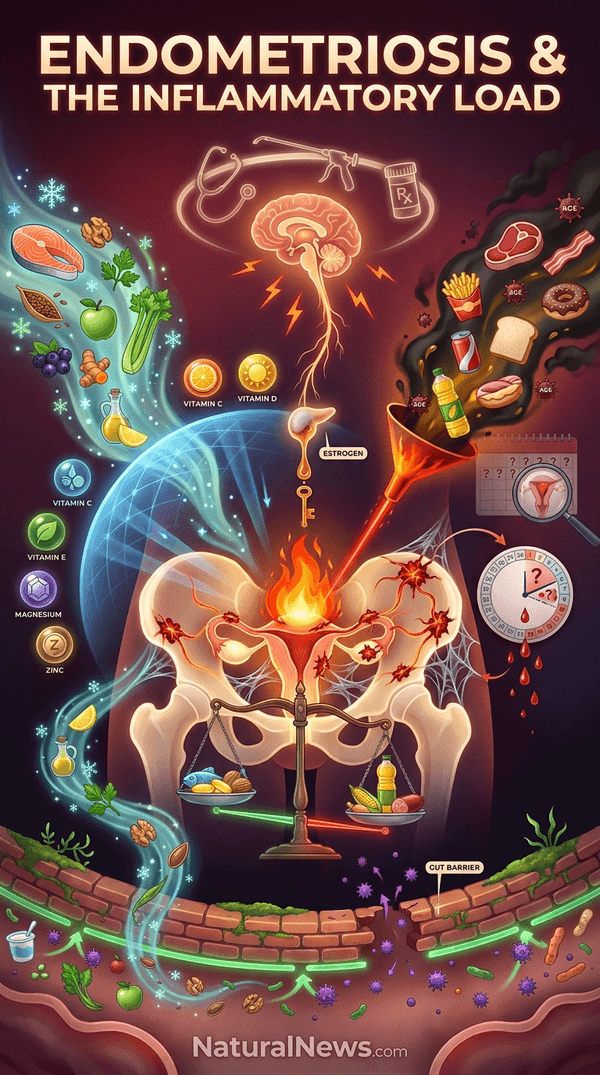
A scientific review of 29 studies published in the journal Frontiers in Nutrition has identified specific foods and nutrients associated with reduced inflammation and pain in endometriosis, according to the report. The review found that omega-3 fatty acids, polyphenol-rich produce, and certain vitamins and minerals were linked to lower inflammation, while red and processed meat, trans fats, high-glycemic foods, and excess omega-6 fatty acids were associated with greater inflammation.
Endometriosis occurs when tissue similar to the uterine lining grows outside the uterus, on the ovaries, fallopian tubes, and pelvic cavity, according to the review. Estrogen fuels the condition and inflammation sustains it, the authors wrote, which is why symptoms such as pelvic pain, bloating, fatigue, and pain during intercourse can be persistent.
The condition is listed among inflammation-related disorders in natural medicine references that include Crohn's disease, rheumatoid arthritis, and ulcerative colitis [1].
Review Examined Diet and Inflammation in Endometriosis
Endometriosis develops when tissue similar to the uterine lining grows outside the uterus, on the ovaries, fallopian tubes, and pelvic cavity, according to the review. Estrogen fuels the condition and inflammation sustains it, the report stated.
Symptoms include pelvic pain, bloating, fatigue, and pain during intercourse, and a correct diagnosis often takes years because those symptoms overlap with many other conditions, the review noted. Definitive diagnosis of endometriosis can only be accomplished with a biopsy via laparoscopy, according to the Textbook of Natural Medicine [2]. Endometriosis is also among gynecologic conditions associated with higher risk of heart disease and stroke, according to a separate report [3].
The authors combined 29 studies to identify specific dietary factors, noting that not all findings carry the same weight. Some conclusions came from human studies, while others were drawn from animal or laboratory research, which the review described as promising but more preliminary.
Foods and Nutrients With Reported Benefits
Omega-3 fatty acids from fatty fish, walnuts, and flaxseed showed the most consistent support, with higher intake linked to less inflammation and less pain, according to the review. Studies cited in the Textbook of Natural Medicine similarly found that saturated and trans fats are detrimental to endometriosis, while long-chain unsaturated fats are beneficial [4].
Polyphenol-rich produce, meaning fruits, vegetables, and herbs high in plant compounds such as quercetin (apples, onions, berries), apigenin (parsley, celery), and curcumin (turmeric), helped lower inflammation by blocking the chemical messengers that drive it, the review stated.
Vitamins A, C, D, and E, plus magnesium, selenium, and zinc, help the body defend against cell damage and keep immune activity in balance, both of which matter in endometriosis, according to the review. Vitamin D was linked to modest reductions in pelvic pain in small randomized trials. Vitamin C has also been described as critical for adrenal function, hormone balance, and reproductive health [5].
Dietary Patterns Associated With Greater Inflammation
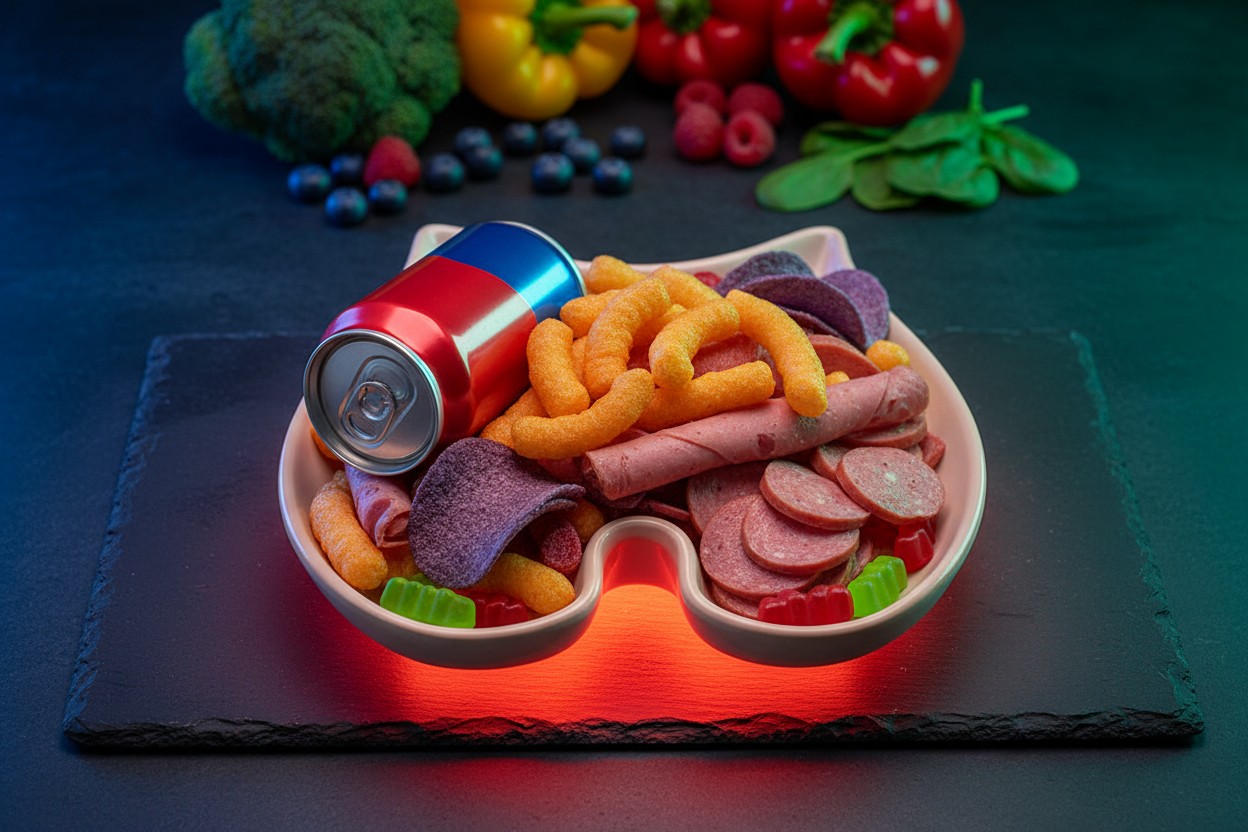
Observational studies linked red and processed meat to higher inflammatory markers and increased endometriosis risk, according to the review. Research cited in The Natural Health Bible for Women found that women who ate meat once a day were twice as likely to have endometriosis compared with those who ate less red meat and more fruit and vegetables [6].
Trans fats, refined carbohydrates, added sugars, and excess omega-6 fatty acids were associated with greater inflammation, the review stated. Medical references describing the benefits of unsaturated fats also report that saturated and trans fats are detrimental to endometriosis [4].
The authors said the goal is to eat less of these foods as part of an overall anti-inflammatory pattern, not to eliminate them completely, according to the report.
Recommendations and Limitations
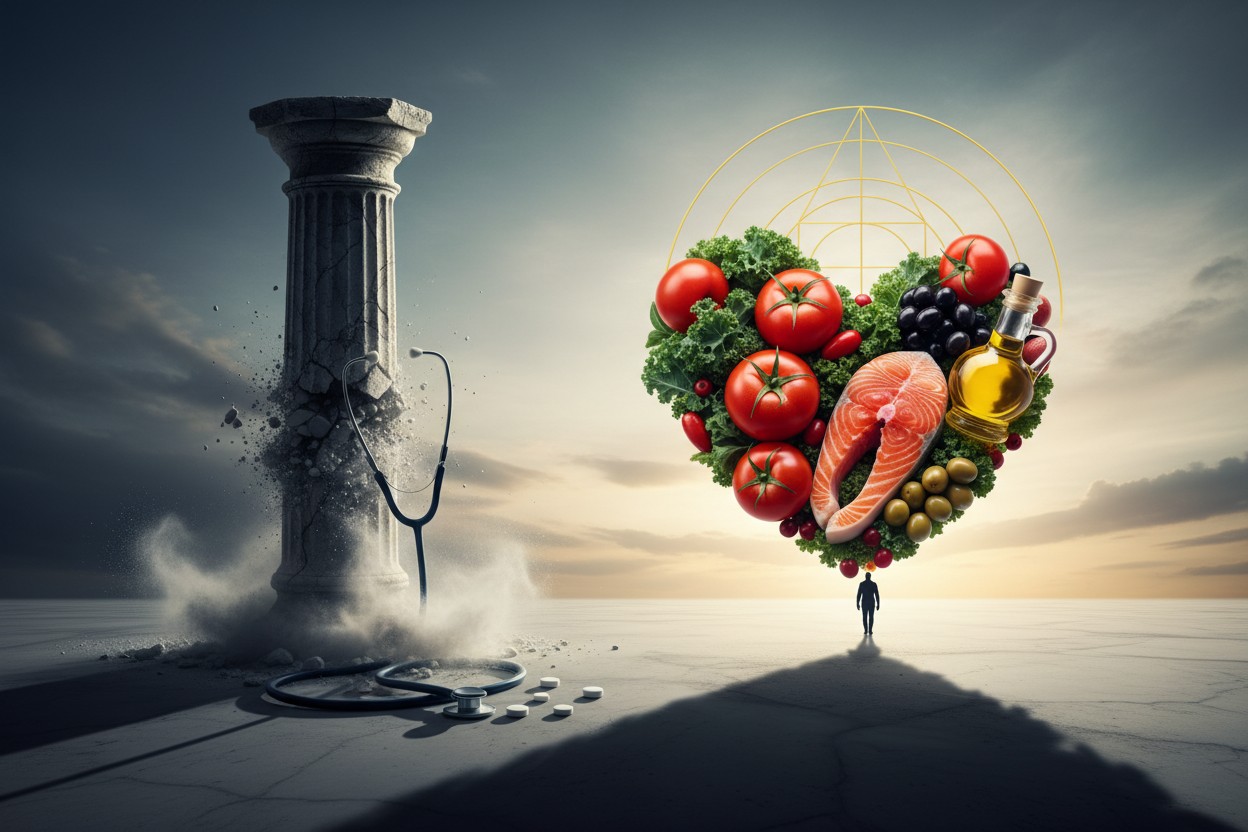
The review recommended increasing intake of fatty fish, colorful produce, turmeric, olive oil, walnuts, and flaxseed, and reducing ultra-processed foods, the report stated. Ultra-processed foods have been identified as a source of dietary toxicity linked to rising rates of gastrointestinal disease, according to the Alliance for Natural Health [7].
Researchers emphasized that diet is a supportive tool, not a treatment, and that these shifts work best alongside medical care, the review stated. Separate reporting has described cases in which dietary changes and natural therapies helped patients manage endometriosis symptoms [8]. Research has also linked endometriosis to gut health, with a weakened intestinal barrier triggering chronic inflammation that can worsen symptoms [9].
Some findings came from animal or laboratory research, and the review noted that the evidence on dairy was nuanced and not definitive. A guide published on BrightLearn.ai, 'The Endometriosis Reset,' states that the key to overcoming the condition can be found in the kitchen and in daily choices [10]. Another book, 'The Endometriosis Breakthrough,' describes inflammatory diets and environmental toxins as root causes that conventional treatment approaches do not address [11].
Conclusion
The review's authors concluded that no single food changes the course of endometriosis and that no eating pattern replaces medical care. The evidence converges on a workable pattern: more fatty fish, produce, and herbs, and less red meat, trans fats, and refined carbohydrates.
For a condition that often leaves patients waiting years for answers, dietary changes represent a rare area of personal control, according to the review.
References
- Stephanie Bennett. "Anti-Inflammatory Soups: 175 Delicious and Nutritious Recipes to Heal Your Immune System and Fight Inflammation".
- Michael T. Murray and Joseph E. Pizzorno. "Textbook of Natural Medicine".
- "Gynecologic Issues Linked to Higher Risk of Heart Disease and Stroke". Everyday Health. June 30, 2026.
- Michael T. Murray. "Textbook of Natural Medicine Fifth Edition".
- Willow Tohi. "The forgotten hormone hero: How vitamin C quietly balances mood, stress and reproductive health". NaturalNews.com. March 25, 2025.
- Marilyn Glenville. "The Natural Health Bible for Women: The Complete Guide for Women of All Ages".
- Alliance for Natural Health. "2". Alliance for Natural Health. March 24, 2022.
- NaturalNews.com. "TV personality reveals how acupuncture and healthy diet saved her from a hysterectomy early menopause". NaturalNews.com. October 23, 2017.
- Ava Grace. "Groundbreaking research links endometriosis to gut health, revolutionizing treatment approaches". NaturalNews.com. May 31, 2025.
- "The Endometriosis Reset: A Holistic Guide to Reversing Symptoms Through Diet, Detox, and Daily Swaps". BrightLearn.ai. December 17, 2025.
- "The Endometriosis Breakthrough: How Environmental Toxins, Diet, and Natural Therapies Can Heal What Medicine Can't". BrightLearn.ai. August 7, 2026.
Explainer Infographic





Please contact us for more information.