



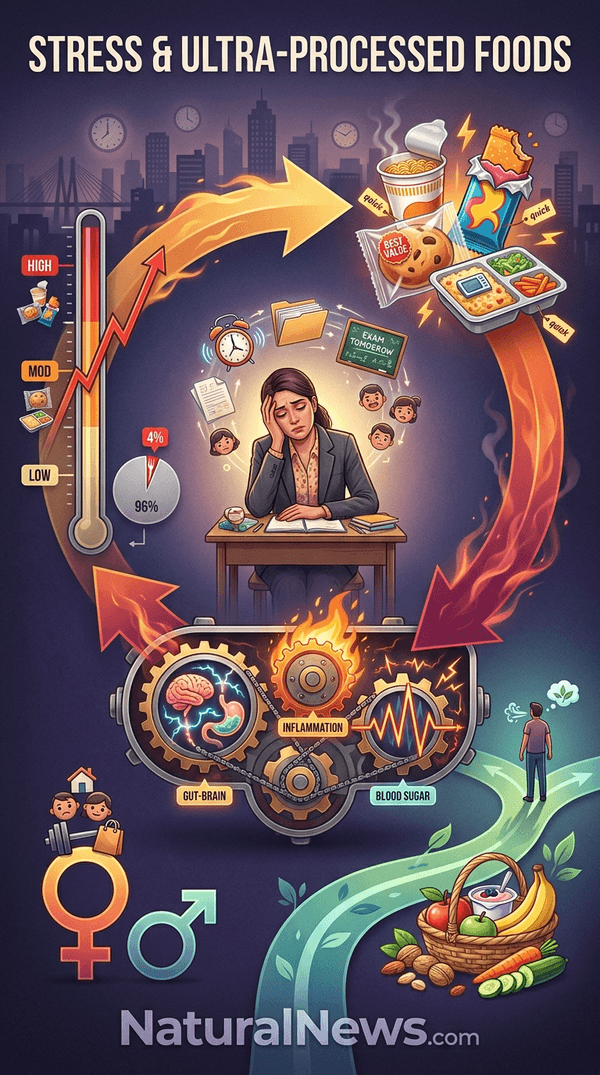
A new study of 549 teaching professionals in urban India found that individuals who regularly consumed a greater variety of ultra-processed foods reported higher stress scores. According to the report, the association remained statistically significant after researchers controlled for age, gender, and body size, though the study's design does not permit conclusions about cause and effect.
The findings, published in Frontiers in Nutrition, add to a growing body of research examining the relationship between modern dietary patterns and mental well-being. Researchers noted that while the link was modest, it underscores the potential connection between convenient food choices and daily stress levels.
About the Study
Researchers surveyed teaching professionals in urban India, a group frequently facing long hours and significant mental workloads. Participants completed a 20-item checklist of ultra-processed foods, marking each item they regularly ate. According to the report, the resulting score reflected the number of different ultra-processed foods in a person's usual diet rather than the frequency or quantity of servings consumed.
Stress was measured using a 10-question questionnaire that asked participants about experiences such as feeling overwhelmed, an inability to manage tasks, and general edginess. Based on their food checklist scores, participants were divided into three groups: low intake (eight or fewer foods), moderate intake (nine to 12 foods), and high intake (13 or more foods).
Findings on Stress Scores
Teachers in the low-intake group reported the lowest average stress scores, according to the study. Average stress was higher in both the moderate- and high-intake groups, with the gap between the low- and high-intake groups wide enough that researchers determined it was unlikely to be due to chance. The association held after statistical adjustments for age, gender, and body size.
However, the report stated that ultra-processed food intake explained only about 4% of the variation in stress scores, indicating that most factors influencing stress were not related to diet. The study also found that female teachers reported higher stress than male teachers across all three intake groups, a pattern consistent with broader research on gender differences in reported stress.
Stress and Food as a Cycle
Because the researchers measured diet and stress simultaneously, they could not determine which factor preceded the other. The report noted that stress itself may influence food choices, as tired or overwhelmed individuals often find packaged snacks or ready-made meals more appealing than cooking from scratch. Highly palatable foods can also feel especially rewarding under pressure.
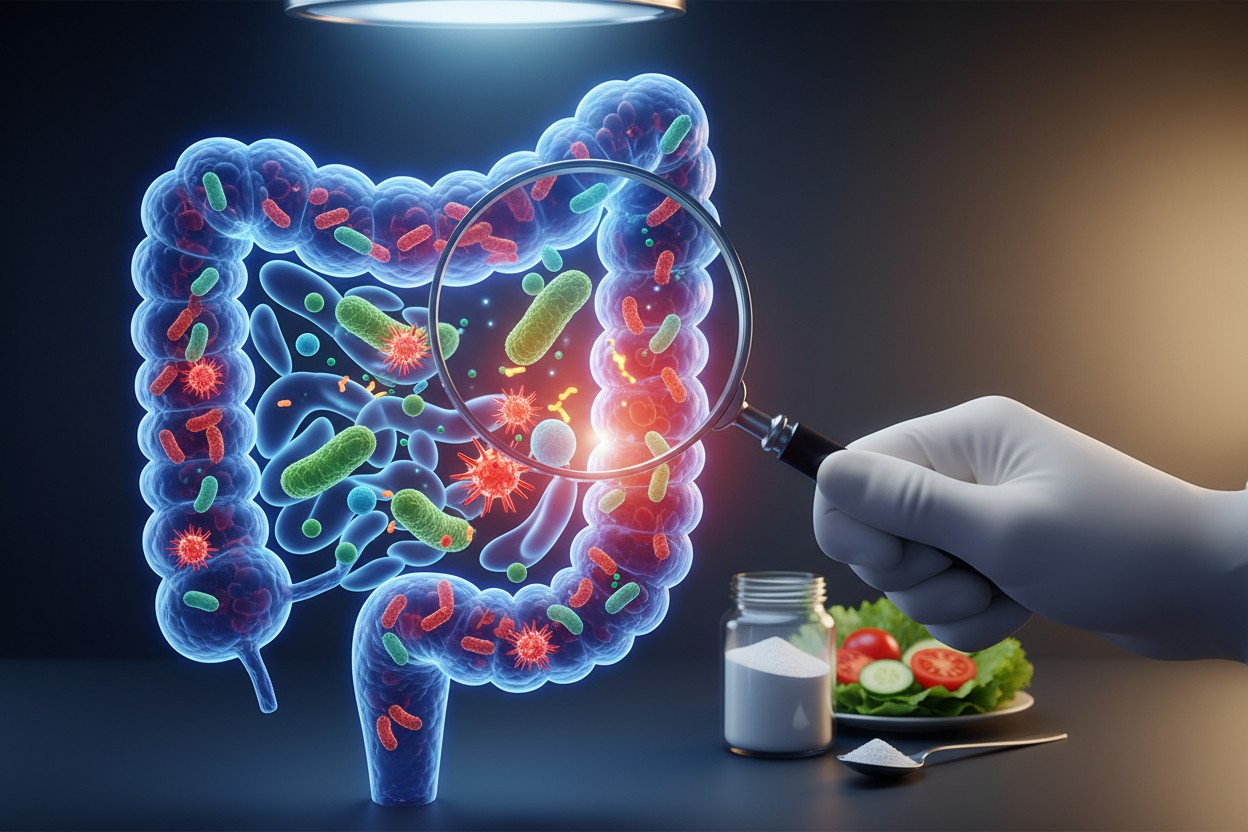
The reverse direction may also be possible. According to the report, researchers have suggested that ultra-processed foods could influence stress through mechanisms involving the gut-brain connection, inflammation, or blood sugar regulation. The study did not test these pathways, leaving them as possible explanations rather than established reasons for the observed link.
Practical Recommendations
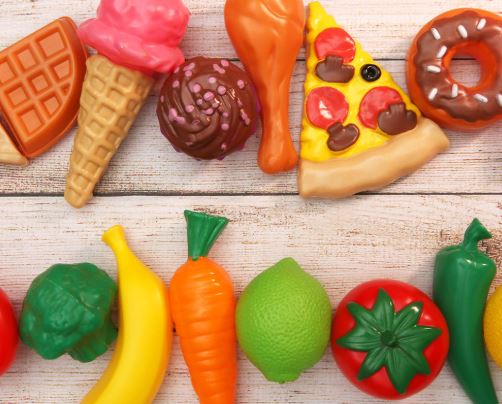
The report suggested that completely eliminating ultra-processed foods is not necessary, but making nutritious options more convenient can help them compete with packaged foods during busy periods. Keeping nuts, fruit, yogurt, or pre-cut vegetables visible and accessible was recommended as a way to encourage healthier snacking.
Preparing batch grains, beans, or roasted vegetables was also suggested to simplify meal assembly later in the week. The report recommended pairing protein with fiber to support satiety and steadier energy between meals. For those reaching for food due to stress rather than hunger, the report advised taking a pause, such as a short walk or a few slow breaths, to assess actual needs.
Conclusion
The study found a modest association between ultra-processed food intake and stress levels in this cohort of urban teachers, but causality remains unproven. According to the report, food choices represent one element of a broader lifestyle that includes sleep, physical activity, relationships, and recovery. The findings suggest that making nourishing options more accessible is a practical starting point for those seeking to support their well-being during demanding days.
References
- Lance D Johnson. "The Silent Brain Killer: How Ultra-Processed Foods and Microplastics Fuel Mental Illness, Dementia, and Autism". NaturalNews.com. May 21, 2025.
- NaturalNews.com. "Beyond the Fog: How Gut Health and Lifestyle Hold the Key to Reclaiming Mental Clarity". January 31, 2026.
- NaturalNews.com. "Gut Bacteria May Shape How Your Body Responds to Stress, New Study Finds". April 24, 2026.
- Mercola.com. "Combat Arthritis Pain With These Foods". January 27, 2023.
- Diana Rodgers and Robb Wolf. "Sacred Cow".
- Dr Alan Logan and Susan Prescott. "The Secret Life of Your Microbiome".
- NaturalNews.com. "Study: Regular Exercise Linked to Reduced Stress Eating Among College Students". July 22, 2026.
- NaturalNews.com. "Study Links Stress, Late-Night Snacking to Gut Health Risks". June 6, 2026.
Explainer Infographic







Please contact us for more information.