


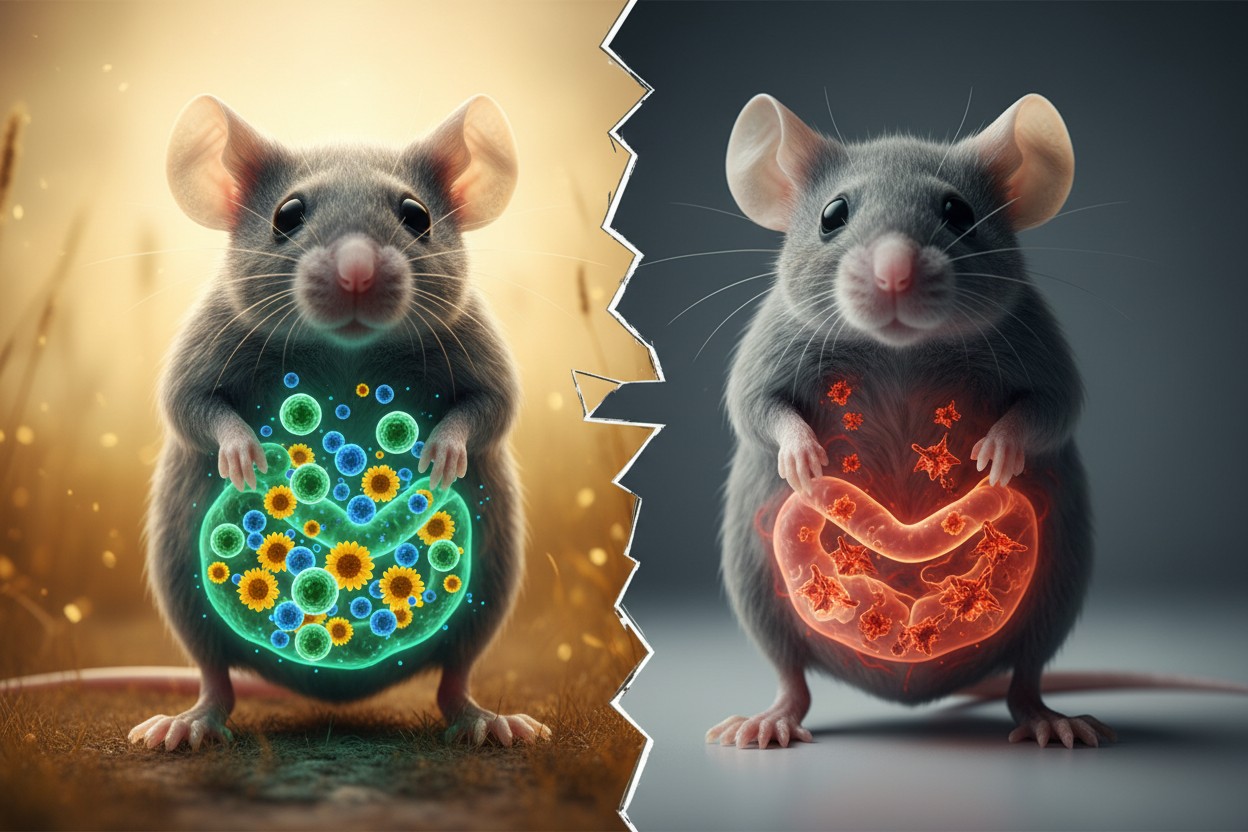
A new study presented at the Endocrine Society's annual meeting (ENDO 2026) found that a sucrose-free, low-fat diet caused gut microbiome disruption and metabolic problems in mice, according to researchers at the Dasman Diabetes Institute in Kuwait. The findings challenge assumptions that complete sugar elimination is always beneficial for health.
The study, led by principal scientist Rasheed Ahmad, head of the Immunology & Microbiology Department at the institute, examined two groups of mice.
Study Design and Methods
Researchers fed one group of mice a sucrose-free, low-fat diet and a second group a low-fat diet that included sucrose for 16 weeks, according to the study abstract. Sucrose, commonly known as table sugar, is a disaccharide composed of glucose and fructose.
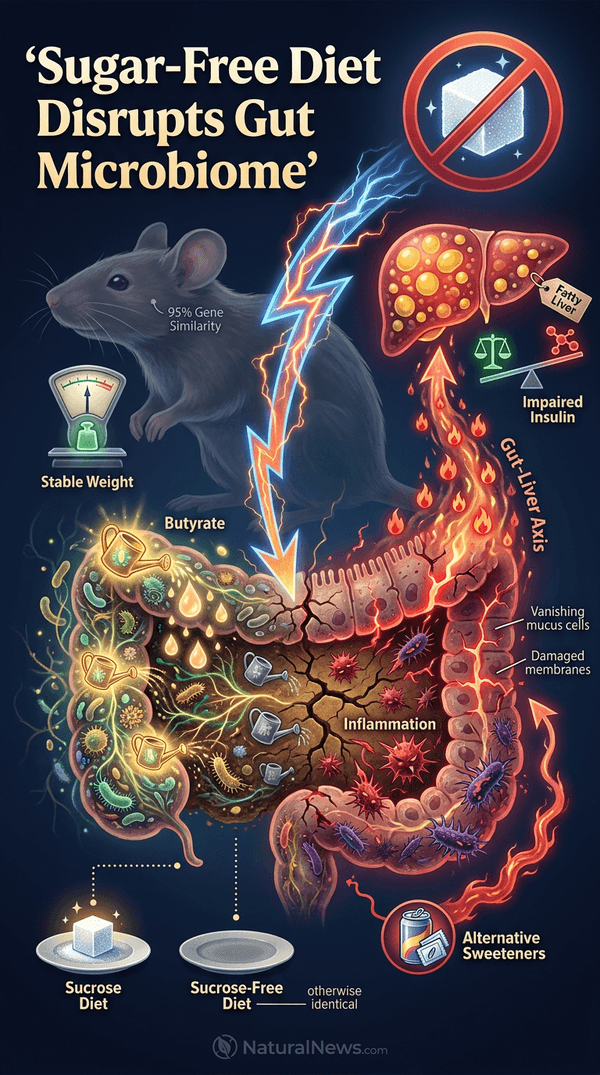
Scientists tracked blood sugar levels, insulin function, gut bacteria composition, and markers of inflammation in the colon and liver throughout the study period. Both groups maintained similar body weight, which allowed researchers to isolate diet composition as the variable rather than weight gain, the report stated.
Mice share more than 95% of their genes with humans, making them a common model for studying dietary effects, though researchers noted that further studies are needed to confirm whether similar effects occur in humans.
Key Findings on Gut and Metabolic Health
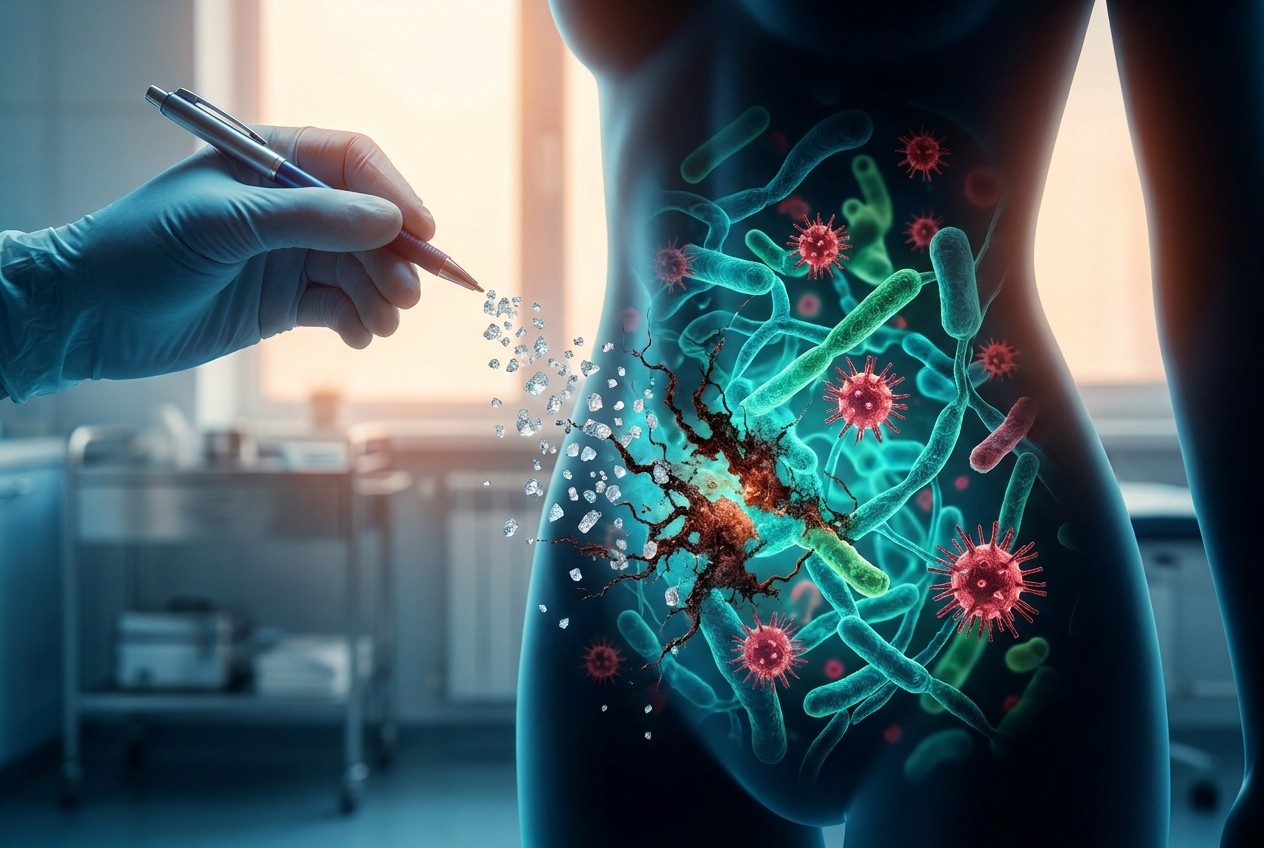
The sucrose-free diet significantly disrupted the gut microbiome, researchers reported. Beneficial bacteria that produce short-chain fatty acids and help maintain the gut lining declined, while bacteria associated with inflammation and stress increased. This imbalance, known as dysbiosis, is a primary source of inflammation in the gut and throughout the body, according to Dr. Tom O'Bryan in his book "You Can Fix Your Brain." [1]
Colon inflammation and gut lining damage were observed, including loss of mucus-producing cells and an influx of immune cells responding to the disruption. The mice also developed impaired blood sugar control, reduced insulin sensitivity, and fatty liver changes consistent with what researchers describe as the gut-liver axis.
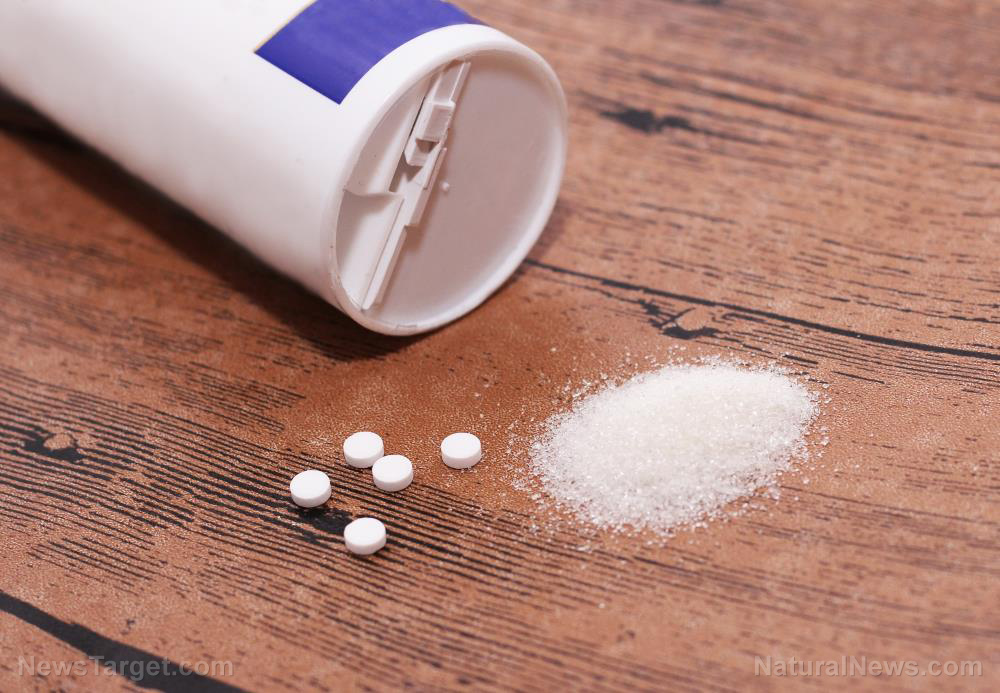
The findings align with broader research showing that artificial sweeteners and extreme dietary changes can disrupt microbial balance. A study on sorbitol, a common sugar-free sweetener, linked its consumption to fatty liver disease via pathways involving the gut microbiome. [2][3] Additionally, artificial sweeteners in diet products have been shown to disrupt gut microbial balance and damage the gut lining. [4]
Expert Commentary and Implications
Lead researcher Rasheed Ahmad stated that completely removing sucrose from a low-fat diet "may unexpectedly disrupt gut health and promote inflammation and metabolic dysfunction." He added that the research "may influence future dietary recommendations by emphasizing the importance of maintaining a healthy gut microbiome rather than focusing only on sugar restriction."
Ahmad's comments echo findings from other experts. Nutrition author Bruce Fife, in his book "Fat Heals Sugar Kills," noted that nonnutritive sweeteners can stimulate appetite and promote weight gain and metabolic problems. [5] The study's results suggest that extreme dietary restriction, even of substances widely considered unhealthy, can have unintended consequences.
Previous research has also indicated that sugar-free diets are important for overcoming obesity, but artificial sweeteners are not a healthy substitute due to their effects on metabolism. [6] Natural sweeteners such as monk fruit and stevia may offer alternatives with minimal impact on blood glucose, according to some reports. [7]
Conclusion and Context
The study was conducted in mice, and researchers emphasized that further research is needed to confirm whether similar effects occur in humans. However, the results add to a growing body of evidence suggesting that extreme dietary restrictions can have unforeseen health effects.
Rather than eliminating sugar entirely, the researchers suggest a balanced approach that includes quality carbohydrates from whole foods such as vegetables, whole grains, and legumes to support gut and immune health. The findings highlight the importance of the gut microbiome in mediating the effects of diet on overall health.
Alternative voices in nutrition have long argued that whole, unprocessed foods are the foundation of good health, and that the body's microbial ecosystem requires a diverse range of nutrients, including certain carbohydrates. [8] The study adds weight to the idea that dietary recommendations should prioritize gut microbiome health over simplistic elimination strategies.
References
- Dr Tom O'Bryan. "You Can Fix Your Brain".
- NaturalNews.com. "Common sugar-free sweetener sorbitol linked to liver disease, new research finds". November 27, 2025.
- NaturalNews.com. "The gut-liver axis: A new front in the sweetener wars". February 5, 2026.
- NaturalNews.com. "These SIX foods sabotage your second brain, but there are ways to enhance its microbial intelligence". January 22, 2026.
- Bruce Fife. "Fat Heals Sugar Kills".
- Lance D Johnson. "Sugar-free diets are key to overcoming obesity, but artificial sweeteners are not a healthy substitute". NaturalNews.com. October 23, 2025.
- NaturalNews.com. "The sweet shift: How monk fruit and stevia are redefining healthy sweeteners". February 11, 2026.
- Sara Gottfried. "The Gut Wellness Guide".
Explainer Infographic





Please contact us for more information.