


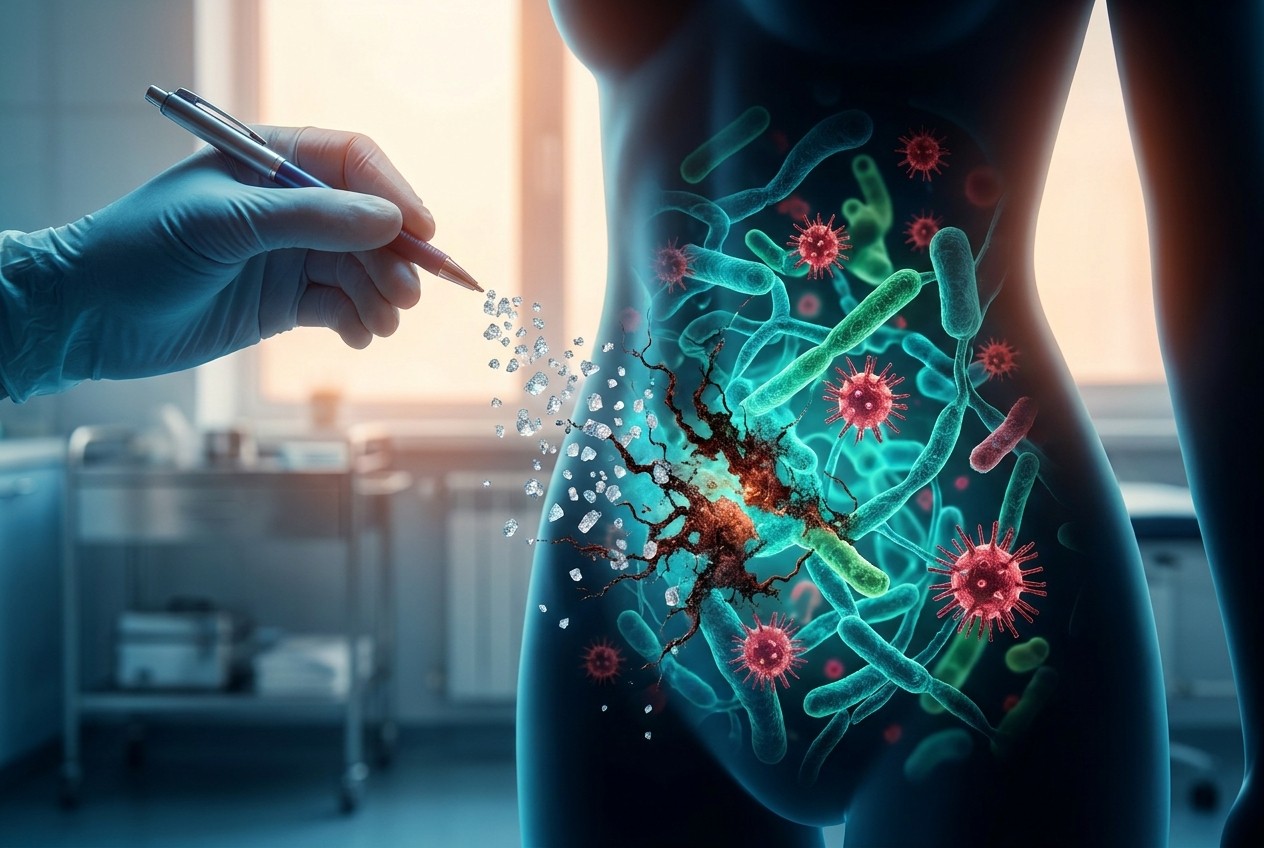
A study published in September 2026 in the journal Nature found that sugar intake in the 48 hours before antibiotic treatment was associated with a greater loss of healthy gut bacteria diversity, according to researchers at NYU Langone Health and two major cancer centers. The findings, which also linked sugar consumption during treatment to the spread of a potentially dangerous bacterium, have prompted the study's authors to suggest that patients cut back on sweets before and during antibiotic courses.
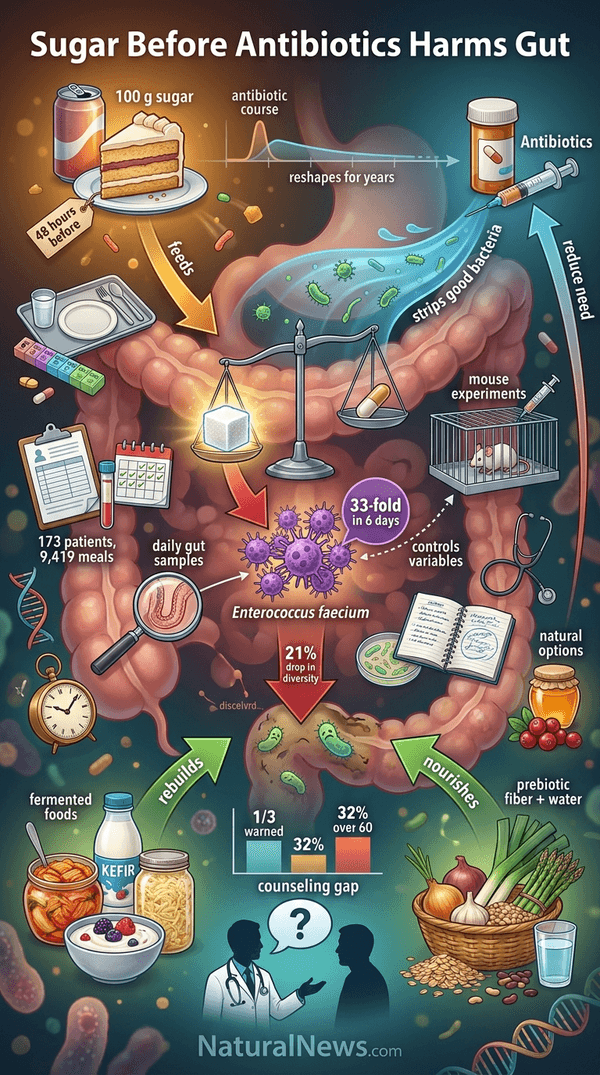
The research team followed 173 hospitalized patients, logged 9,419 meals, and collected daily gut samples, the study stated. For every additional 100 grams of sugar consumed in the two days before treatment -- roughly the amount in one soda and a large slice of cake -- the variety of healthy gut bacteria dropped by another 21%, according to the findings. The study's authors stated that the exact mechanism requires more study and noted that the patients in the study were already seriously ill, a factor that may influence gut microbiome dynamics independent of diet.
The results add to a growing body of evidence that antibiotic use can have several negative effects on the gut microbiota, including reduced species diversity and altered metabolic activity, according to a 2020 review published by the National Institutes of Health [1]. The new study extends that understanding by identifying a common dietary factor -- sugar -- that appears to amplify those effects.
Study Design and Primary Findings
The study tracked 173 hospitalized patients at NYU Langone Health and two cancer centers, with staff recording every meal and collecting daily gut samples, researchers said. The level of detail allowed the team to analyze how diet and antibiotics interacted over time, rather than relying on patient recall or intermittent sampling. The researchers reported that 100 grams of sugar, roughly equivalent to one soda and a large slice of cake, was linked to a 21% drop in healthy gut bacteria variety.
In follow-up experiments with mice, sugar combined with antibiotics allowed Enterococcus faecium to multiply more than 33-fold within six days, according to the study. The researchers stated that the exact mechanism requires more study and noted that the patients in the study were already seriously ill. The mouse experiments were designed to test whether the association observed in patients could be replicated under controlled conditions, the study stated.
The findings align with earlier research on how diet shapes the gut environment. A balanced gut microbiome regulates digestion, immunity, inflammation, and mental well-being, and poor diets -- especially those high in processed Western foods -- deplete beneficial bacteria, leading to chronic inflammation and disease, according to a 2025 report [2]. The authors of the Nature study stated that further research is needed to confirm whether the association is causal and whether dietary changes during treatment can alter clinical outcomes.
Enterococcus faecium and Antibiotic Interaction
Enterococcus faecium is a bacterium that doctors closely monitor because it can cause hard-to-treat infections, according to the researchers. The organism is of particular concern in hospital settings, where it can acquire resistance to multiple antibiotics and spread among vulnerable patients. Patients who ate more sugar during antibiotic treatment also saw Enterococcus faecium spread through the gut, the study found.
The researchers believe harmful bacteria that survive antibiotics may use dietary sugar as fuel to take over, though the exact mechanism still needs more study. This hypothesis suggests that the sugars consumed in food may provide a competitive advantage to opportunistic pathogens when the normal gut community is disrupted by antibiotics. The study's authors suggested that cutting back on sweets during and after antibiotics could help limit gut damage.
The concern about antibiotic-resistant organisms is well documented. A single course of antibiotics reshapes the gut microbiome for years, altering digestion, immune function, and metabolic health long after the prescription ends, according to a 2026 report [3]. Stronger antibiotics like clindamycin and fluoroquinolones remove large numbers of beneficial bacteria, leaving the gut less resilient and more prone to imbalance, the report stated. The Nature study's findings on Enterococcus faecium suggest that diet may be an underappreciated factor in how quickly and completely the gut recovers from such disruptions.
Patient Awareness and Gut Recovery
In an international survey of 6,500 people, only one-third said a doctor had warned them that antibiotics could upset their gut bacteria, according to the survey. Among adults over 60, just 32% said a doctor had explained how to protect gut bacteria balance, the survey reported. The gap in patient counseling is significant because gut bacteria help train the immune system, digest food, and keep harmful microbes in check, according to earlier research cited in the study.
Earlier research shows the gut can take months to recover after a single course of antibiotics, and some helpful species may never return, the report stated. The study's authors noted that the patients in their study were already seriously ill, which may have influenced both their baseline gut microbiome composition and their response to antibiotics. The researchers stated that the exact mechanism by which sugar exacerbates antibiotic-induced damage requires more study.
The implications for patient care are substantial. Antibiotics can save lives, yet doctors rarely mention their effect on the gut, according to the study's authors. The researchers suggested that simple dietary counseling -- such as advising patients to limit sweets before and during treatment -- could be a low-cost way to reduce harm. However, they emphasized that further study is needed to confirm whether such recommendations would improve clinical outcomes.
Dietary Measures Discussed During and After Treatment
The study's authors suggested cutting back on sweets before and during treatment, and checking labels on sauces and yogurt for hidden sugars. They also recommended rebuilding the gut with fermented foods. Plain yogurt, kefir, sauerkraut, and kimchi supply live bacteria that help repopulate the gut, according to the researchers. Fermented foods contain live probiotics that support gut microbiome diversity and digestive health, and current research links fermented food consumption to improved metabolic markers and reduced inflammation, according to a 2026 report [4].
Prebiotic fibers in onions, garlic, leeks, asparagus, oats, and beans nourish beneficial microbes, and drinking water helps fiber work well, the report stated. Studies show that kimchi, yogurt, kefir, and sauerkraut may lower the risk of certain chronic conditions, according to the report [4]. A low-fiber diet may exacerbate the impact of antibiotics on the gut microbiome, delaying recovery, which suggests that prebiotic fibers are important during and after treatment, according to a 2024 report [5].
References
- Antibiotics as Major Disruptors of Gut Microbiota - PMC - NIH. https://pmc.ncbi.nlm.nih.gov/articles/PMC7732679/
- Boost gut health naturally with herbs, spices and fermented foods - NaturalNews.com, December 17, 2025.
- Some Antibiotics Alter Gut Microbiome Composition for Up to 8 Years. https://www.activistpost.com/some-antibiotics-alter-gut-microbiome-composition-for-up-to-8-years/
- Fermented foods Ancient tradition validated by modern science as key to gut health immunity and mood - NaturalNews.com, May 19, 2026.
- What you need to know about the effects of antibiotics on .... https://www.gutmicrobiotaforhealth.com/what-you-need-to-know-about-the-effects-of-antibiotics-on-the-gut-microbiome-and-how-to-recover-after-taking-them/
Explainer Infographic






Please contact us for more information.