



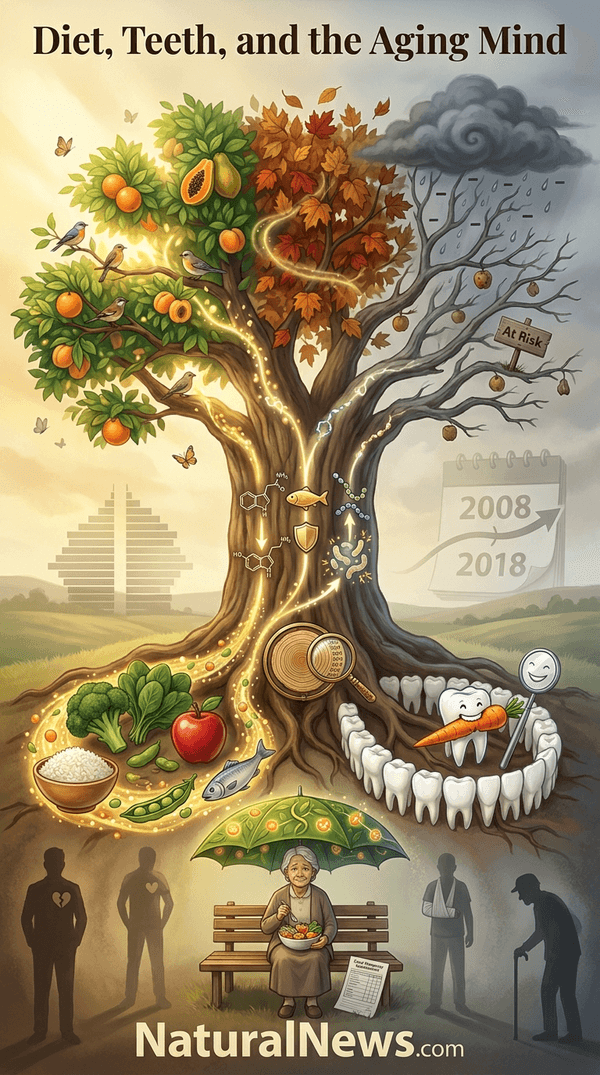
A 10-year study of 1,538 adults aged 65 and older from the Chinese Longitudinal Healthy Longevity Survey (CLHLS) found that participants who began with low dietary variety and only modestly increased it over time had higher depressive scores and significantly greater odds of depressive symptoms at the end of the study, according to findings published in Frontiers in Nutrition.
The study, which tracked participants from 2008, also reported that adults with more than 20 natural teeth had notably lower depressive scores, according to the researchers. The report stated that the findings suggest a link between dietary habits, oral health and mental well-being in later life.
Study Design and Methods
Researchers analyzed data from the CLHLS, which follows older adults across China, according to the study. The cohort included 1,538 participants, all at least 65 years old at enrollment in 2008, with food intake reports gathered during multiple follow-ups over the next decade.
The report stated that researchers calculated each person's dietary diversity by counting the number of different food groups regularly consumed. They then compared these dietary patterns against depressive symptom scores to identify associations over time, according to the study authors.
Dietary Patterns and Depressive Symptoms
The data showed three broad dietary patterns among participants: diets that stayed consistently varied, diets that became less varied over time and diets that started with little variety and increased only modestly, researchers reported. The group with modest increases in variety had higher depressive scores at the end of the study, according to the findings.
Further analysis found this group also had significantly greater odds of experiencing depressive symptoms, according to the study. However, researchers noted a less straightforward result. Participants whose dietary variety declined over time had lower depressive scores than those with stable variety, a finding the authors could not clearly explain.
Nutritional and Dental Health Connections
Eating a broader range of foods provides a wider mix of nutrients, including vitamins, minerals, fiber, and plant compounds that support brain and body function, according to the study's discussion. This rationale aligns with research on dietary patterns and mental health, which has linked nutrient-dense foods, including those rich in polyphenols and fiber, to better cognitive outcomes and mood regulation [1] [2]. A balanced, varied diet provides the amino acids used in the manufacture of mood-regulating neurotransmitters, according to nutritional science [3].
On a practical level, the study noted that missing teeth or tooth pain can make raw vegetables, nuts and firmer proteins harder to chew, leading to reduced dietary variety over time. Data from the study supported this connection, showing that depressive scores dropped notably among people with more than 20 natural teeth.
Researchers emphasized this was an observational study and cannot show that varied diets or greater numbers of natural teeth directly prevent depression. Oral health and masticatory function have been identified in prior research as factors affecting nutritional status and daily living activities [4].
Practical Recommendations and Takeaway
The study's authors recommend rotating foods across vegetables, fruits, proteins, dairy, nuts and whole grains to prevent repetitive eating patterns. They also advise regular dental visits and prompt management of painful or loose teeth to help maintain the ability to eat a wide range of foods.
For those with chewing challenges, the study suggests using softer preparations such as steamed vegetables, ground nuts, or slow-cooked proteins rather than eliminating those foods entirely. The overall implication, according to the authors, is that dietary variety and oral health intersect with healthy aging, though the findings do not prove causation.
References
- NaturalNews.com. "Studies Link Dietary Fiber to Brain Health, Mood Regulation". 2026-08-16.
- NaturalNews.com. "Polyphenol-Rich Diets Tied to Lower Cognitive Decline Risk, Review Finds". 2026-08-11.
- Dr Alan Logan. "The Brain Diet: The Connection Between Nutrition, Mental Health, and Intelligence".
- R.A.F. Weijenberg. "Mastication for the mind—The relationship between mastication and cognition in ageing and dementia". Neuroscience and Biobehavioral Reviews 35 (2011) 483–497.
Explainer Infographic











Please contact us for more information.