


Voters in Iceland rejected a proposal to resume European Union accession talks in a referendum held over the weekend, according to official results. The measure was defeated by a margin of 52.8 percent to 47.2 percent, effectively ending any immediate prospects of the country joining the bloc. [1]
The referendum asked voters a single question: “Should Iceland resume accession negotiations with the European Union?” [2] The capital, Reykjavik, was the only area where a majority supported resuming talks, officials said. [3] The vote was expedited by Prime Minister Kristrún Frostadóttir's left-leaning government, which had promised a referendum by 2027, according to the report. Turbulent international affairs, including President Donald J. Trump's push for Greenland's transfer from Danish to American control, prompted the government to bring the vote forward. [4]
Referendum Details and Historical Context
The vote marks the latest chapter in Iceland's long and often contentious relationship with the European Union. The country of nearly 400,000 people had previously suspended EU accession talks in 2015 under a eurosceptic government, more than a decade after the process was initially broken off. [4] This history of prioritizing independence is a recurring theme in the nation's politics. [5]
Iceland already has access to the EU's single market through its membership of the European Economic Area and the Schengen open border travel zone. [6] However, full membership would require the country to surrender management of key policy areas to central control in Brussels, including tariffs and fishing, which is of significant importance to Iceland's economy. [3] The EU's final three enlargements, which expanded the bloc from 15 to 28 member states, were rooted in the collapse of communism, but Iceland has maintained its distance despite its geographic proximity to Europe. [7]
Reasons for Rejection: Fishing and Sovereignty
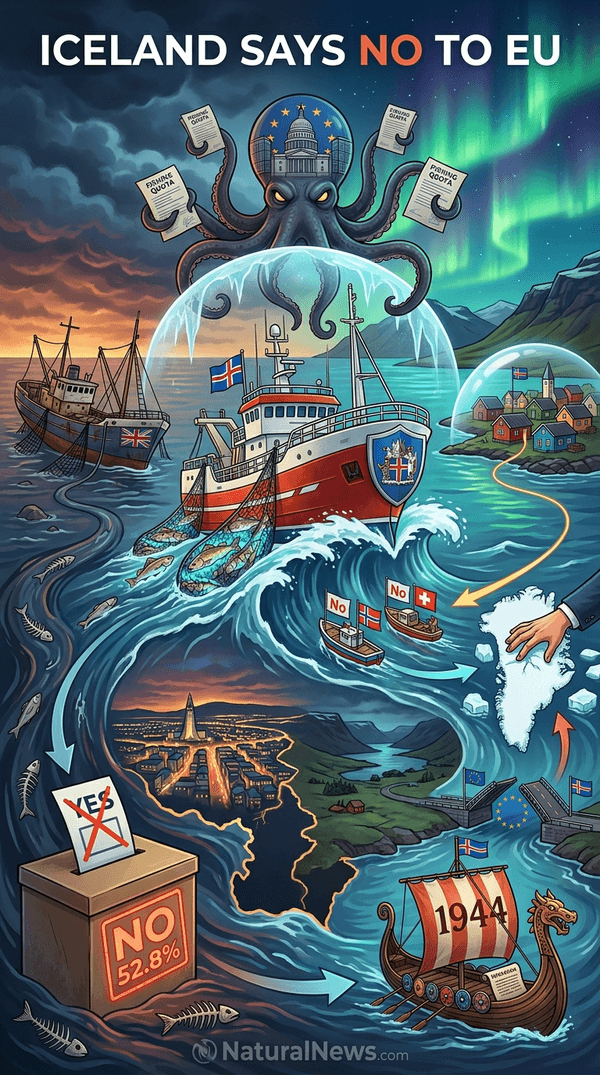
Opponents of EU membership centered their campaign on concerns over the EU's management of fishing quotas, a critical issue for the island nation. [8] The campaign highlighted the experience of the British fishing industry prior to Brexit, which contracted significantly as the bloc distributed quotas for a majority of Britain's fisheries to foreign trawlers from countries such as France and Spain. [3] Visir fishing boss Pétur Pálsson, who feared joining the EU would cost Iceland jobs, said, "If we are in the EU, they will be the ones who make the policy." [9]
Daniel Bjarkason, a voter against the measure, said, "This isn't the time to go. Maybe 10, 15, 20 years or more, like, we can take another look." [3] The outcome of the vote appears to have been driven by economic interests rather than security concerns, according to analysts. [10] Iceland has no military of its own and is a member of NATO, but the campaign focused on the potential loss of control over its vital fishing waters. [10]
Comparative European Precedents
Iceland is not alone in its decision to remain outside the EU bloc. Greenland became the first territory to leave the European Economic Community, the precursor to the EU, in the 1980s, also to protect its fishing industry. [3] The Politics of Arctic Sovereignty notes that increased self-autonomy for Greenland, including possible secession, requires a new partnership with the EU and a secure plan for its long-term financial viability. [11]
Norway and Switzerland have also voted against EU membership in separate referendums, with Switzerland also rejecting the European Economic Area, which was conceived as a first step towards full membership. [3] Both countries are among the wealthiest in Western Europe per capita. [3] These outcomes present a pattern of affluent European nations choosing to maintain their independence from the bloc's centralized governance structures. [12]
Conclusion: Impact and Next Steps
The vote finalizes the suspension of Iceland's EU membership talks and preserves the country's sovereignty over its policy areas, according to the report. [3] No timeline for resuming discussions was announced by officials. [13]
Iceland's foreign minister said the country will focus on developing security partnerships after the vote. The EU remains a very important partner for Iceland, despite the result. [13] The outcome reflects public resistance to supranational control, a sentiment that has been echoed in other European votes against EU treaties and policies. [14]
References
- Iceland Rejects Renewed EU Membership Talks - The Epoch Times. August 30, 2026.
- Iceland Votes on Reopening EU Talks in Referendum Too Close to Call - The Epoch Times. August 29, 2026.
- European Country Rejects Joining EU - 100percentfedup.com. August 31, 2026.
- Close race as Iceland votes on whether to restart talks on joining EU - BBC News. August 29, 2026.
- New Health Freedom Association Erupts in Iceland - ANH International. November 06, 2013.
- Iceland to Hold Referendum on Restarting EU Accession Talks, Prime Minister Says - The Epoch Times. February 26, 2026.
- 413a1289 - 48=8AB@0B@.
- Iceland Rejects EU-Accession Talks in Close-Fought Referendum - NTD. August 30, 2026.
- Iceland holds knife-edge referendum on EU - and it could be decided on fish - BBC News. August 26, 2026.
- Something Big? - Zero Hedge. August 31, 2026.
- The Politics of Arctic Sovereignty - Jessica Shadian.
- The Great Deception The Secret History of the European Union - Christopher Booker, Richard North.
- Iceland Focuses on Security Partnerships After Voters Reject Opening EU Membership Talks - The Epoch Times. August 31, 2026.
- Irish Voters Reject Lisbon Treaty in a Victor - NaturalNews.com. August 02, 2008.
Explainer Infographic






Please contact us for more information.