


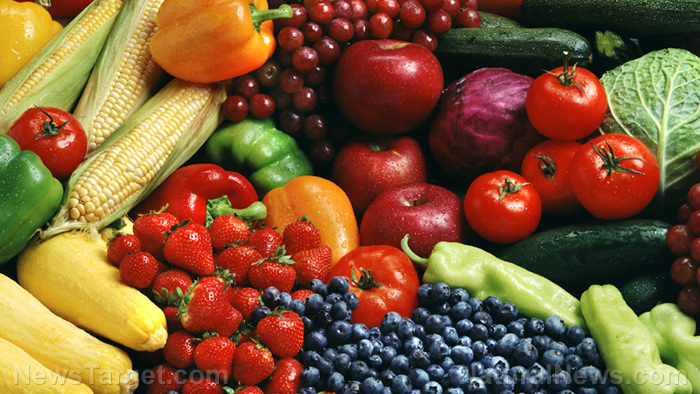
- Most vegetables require specific temperature and humidity conditions far more nuanced than simply "refrigerate everything."
- Potatoes, onions, garlic and winter squash prefer cool, dark storage between 45-60°F, not refrigerator temperatures.
- Cold-sensitive vegetables like cucumbers, eggplant and peppers develop pitting and damage below 45°F.
- Root cellars and cool basements offer ideal middle-ground conditions that modern refrigerators cannot provide.
- Proper storage can extend vegetable shelf life from days to months, reducing food waste and preserving flavor.
The great produce mismatch
Americans have been taught to reflexively toss every vegetable into the refrigerator, but decades of agricultural research reveal this one-size-fits-all approach is destroying flavor, texture and nutritional value. As consumers face rising grocery costs and increasing interest in food security, understanding proper vegetable storage has never been more critical. The answer lies not in a colder refrigerator, but in recognizing that different vegetables evolved under different conditions—and they demand those conditions to survive. From the root cellars of 19th-century homesteads to modern climate-controlled basements, the science of vegetable storage is experiencing a revival that promises longer-lasting, better-tasting produce.
The temperature trap: Why 40°F isn't always right
The FDA recommends keeping refrigerators at 40°F or below, but this temperature is ideal for only a fraction of common vegetables. Research from multiple agricultural extension services shows that cold-sensitive vegetables—cucumbers, eggplant, peppers, and summer squash—suffer damage when stored below 45°F. These vegetables evolved in warm climates and their cellular structures break down under prolonged cold exposure.
Cucumbers develop pitting and water-soaked areas when chilled below 40°F. Eggplant shows bronzing and pulp browning below 50°F. Peppers develop surface pitting below 45°F. The practical result: vegetables that look fine in the refrigerator but turn mushy, discolored or flavorless within days.
The ideal compromise for these cold-sensitive vegetables hovers between 50-55°F—warmer than a refrigerator but cooler than most kitchens. A cool basement, mudroom or cellar can provide this middle ground. For those without such spaces, short-term refrigeration remains a practical compromise, but consumers should expect reduced quality and shelf life.
Humidity: The hidden variable
Temperature gets the attention, but humidity determines whether vegetables stay crisp or turn moldy. Leafy greens, carrots, broccoli, cabbage and radishes all lose moisture rapidly after harvest. A refrigerator's dry atmosphere accelerates this process, turning crisp carrots rubbery and wilting lettuce within days.
High-humidity crisper drawers help, but perforated produce bags offer even better control. The goal is to hold moisture without trapping condensation, which invites mold and rot. Vegetables that wilt easily benefit from 90-95% relative humidity. Onions and garlic need the opposite—cool, dry conditions around 65% humidity with ample airflow.
Historical root cellars solved this problem naturally. Earth floors and stone walls maintained consistent humidity, while ventilation systems prevented stagnant air. Modern homes can replicate these conditions by measuring temperature and humidity rather than guessing, and by separating vegetables according to their moisture needs.
The underground solution: Root cellars return
Before global food distribution made January tomatoes possible, families relied on root cellars to store harvests through winter. These underground chambers maintained temperatures between 32-40°F with 90-95% humidity—perfect conditions for carrots, beets, cabbage, potatoes and storage fruits.
The revival of root cellaring represents more than nostalgia. University extension services now provide detailed guidance on converting basements, crawl spaces and even closets into effective storage areas. The key requirements: consistent temperatures around 50°F, humidity control, ventilation and protection from rodents.
For potatoes, ideal storage means darkness and temperatures between 45-55°F. Light exposure produces green skin and toxic glycoalkaloids. Cold temperatures convert starch to sugar, making potatoes taste sweet and brown excessively during frying. Onions need cool, dry conditions with mesh bags or baskets that allow airflow—never sealed plastic.
Winter squash and pumpkins can last two to six months at 50-60°F, with some heirloom varieties keeping nearly a year. Butternut, acorn and spaghetti squash actually improve in flavor during storage as sugars develop. The same principle applies to pears, which should be picked hard and slightly underripe, then stored for months before ripening at room temperature as needed.
Practical storage: What goes where
The three-zone approach—refrigerator, cool storage and counter—works for most households. Vegetables requiring cold and moist conditions (leafy greens, broccoli, carrots, beets) belong in the refrigerator's crisper drawer. Those needing cool and dry conditions (onions, garlic, winter squash, pumpkins) thrive in basements or pantries. Cold-sensitive vegetables (cucumbers, peppers, eggplant, tomatoes) benefit from cool counter storage or short-term refrigeration.
Once cut, all vegetables belong in the refrigerator regardless of their whole-form preferences. The FDA recommends storing pre-cut produce at 40°F or below. This means half an onion goes in the refrigerator while whole onions remain in cool, dry storage.
Temperature matters enough that a simple refrigerator thermometer can reveal whether settings are accurate. Conditions change through seasons and years, making regular monitoring essential for optimal storage.
The art of keeping
The revival of proper vegetable storage represents more than extended shelf life—it is a reconnection with how food naturally behaves. Before industrial refrigeration and global shipping, families understood that potatoes need darkness, onions need airflow, and winter squash needs time to develop sweetness. These principles remain scientifically valid today.
Consumers who invest in understanding their vegetables' needs will waste less food, save money and enjoy better flavor. A carrot stored properly at 32°F with high humidity can last eight months. A cucumber kept at 55°F maintains its crunch for a week. A winter squash cured and stored at 55°F provides sweet, nutritious meals through winter.
The question is not whether to refrigerate, but whether to refrigerate correctly. The answer requires thinking like a root cellar—cool enough to slow deterioration, but not so cold that quality suffers.
Sources for this article include:





Please contact us for more information.