



A crashed car. A layoff notice. A child's sudden asthma attack. According to Megan Stewart, writing for Survival Sullivan, a preparedness-focused publication, most preppers concentrate on a coming natural disaster or another major event, yet there are everyday emergencies that even most folks have not thought about.
The article, titled "5 Everyday Emergencies You Didn't Know You Have to Prep For," states that major disasters receive attention, but everyday incidents are more likely to occur. Stewart recommends learning how to respond to these incidents during normal times and considering how each response would change in a grid-down situation, when professional medical help may be unavailable.
"Bad things happen, it's just an unfortunate fact of life," advised Stewart.
The five categories Stewart identified are chronic health problems, house and workplace accidents, recreation-related accidents, vehicle accidents, and job layoff or long-term unemployment. She warned that the only way to be ready for these situations is to purposefully seek out knowledge and experience about each one in advance [15].
Chronic Health Problems
Stewart explained that chronic health problems that a person is already being treated for may require timely medication, and a missed dose can become a crisis. If you are currently treated for a chronic condition, you should know what to do if you miss a dose of your medication[15].
You should keep extra doses of vital medication on hand in case you are delayed getting home.
A separate NaturalNews.com article by Evangelyn Rodriguez, published October 2, 2025, states that seniors face greater risks during disasters because of mobility issues, chronic health conditions, and reliance on medications, and that drug supply disruptions can be devastating for them.
Another NaturalNews.com report published July 10, 2018, states that chronic medical conditions can become emergencies when the system fails, and that one of the greatest advantages when SHTF is being knowledgeable about medicines and natural remedies. Stewart said that every person who currently has chronic health problems experienced a first-time flare-up at some point that they were not ready for, meaning that people without current health problems may still experience them in the future [15].
Tess Pennington writes in "The Prepper's Blueprint" that preparedness experts explain the recent Ebola scare as a perfect example of why one should be prepared, because "you never know when an emergency will strike" [1].
NaturalNews.com guidance published March 6, 2026, recommends keeping medicines in a cool, dry, dark place and working with a doctor to get a 90-day prescription for chronic conditions if possible [2].
Household and Workplace Accidents
According to Stewart, people spend the majority of their daily time between home and work, and even though those places are considered relatively safe, they often are not.
Here are some of the common everyday emergencies that occur in those settings [15]:
- Burns from steam, chemicals or hot machines
- Lawn mower and tractor incidents
- Poisoning
- Serious falls
- Severe lacerations
- Spider bites and bee stings
- Unexpected fire at home or work
These events can occur in normal times and during grid-down conditions. Stewart advises preparing for them even though home and work are often considered safe.
Alan K. Briscoe writes in "Your Guide to Emergency Home Storage" that extra blankets are necessary to provide heat at night in emergencies when not all rooms of the house are being heated, and that newspapers may be placed between blankets to insulate heat [7].
The Prepper's Blueprint states that modern society's vast array of transportation systems causes infectious diseases to spread far more rapidly than at any other time in recorded history [1]. A NaturalNews.com article published July 29, 2026, states that in the critical first hours and days after a disaster, injuries happen, and that is precisely when hospitals and emergency services are least able to help [8].
Recreation Accidents
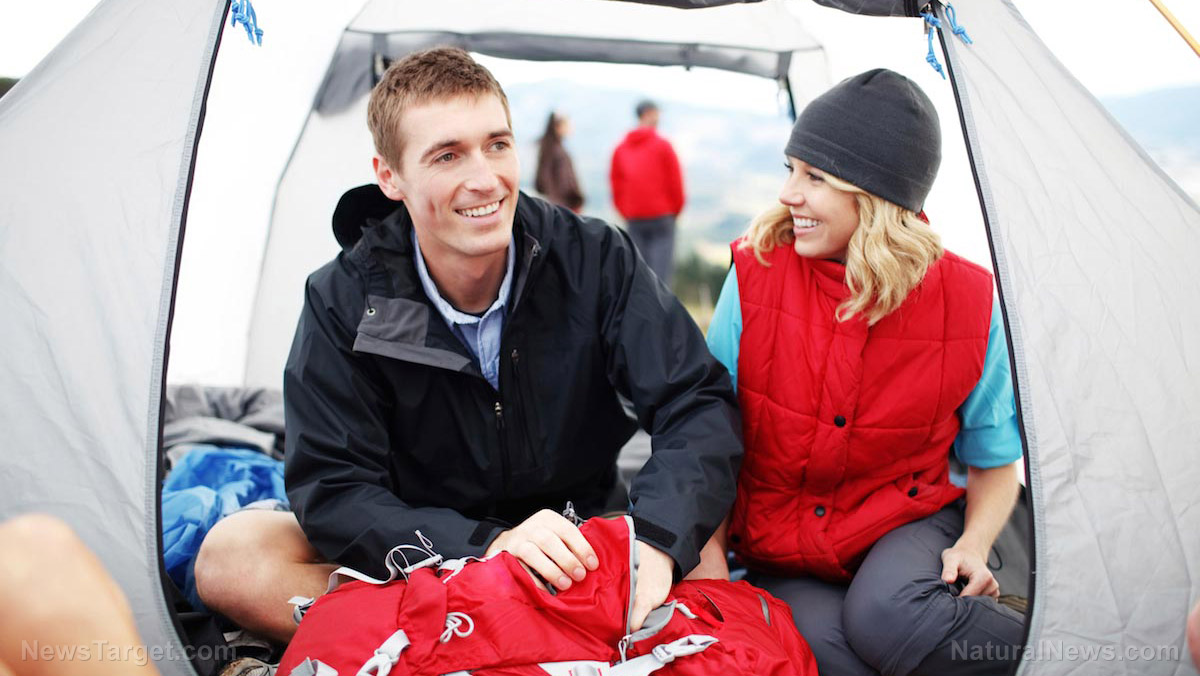
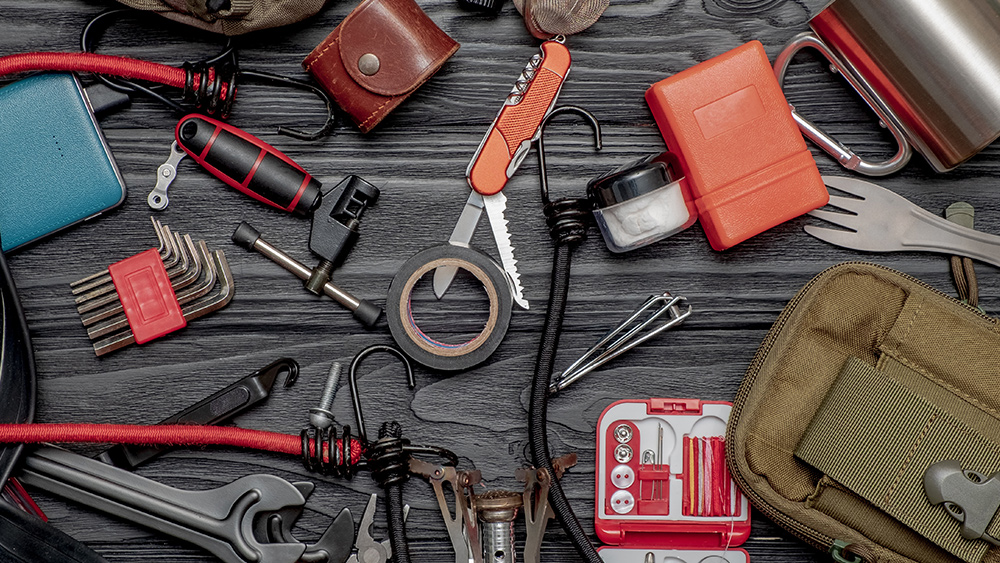
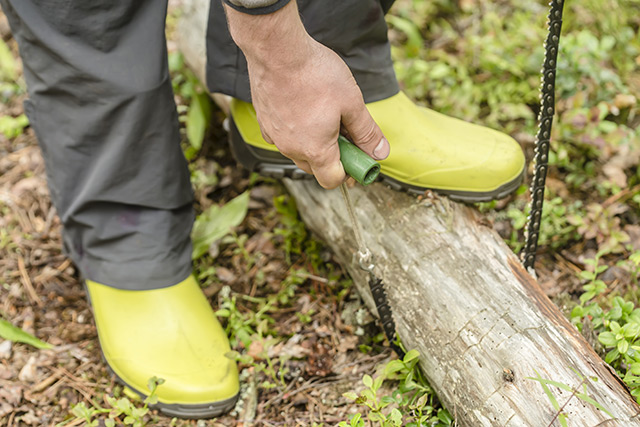
According to Stewart, exercise and being outdoors are good for people most of the time, but even seemingly tame recreational activities are not without risks. Having a go-bag can give you and your family the confidence to have fun knowing you are prepared to handle whatever everyday emergency might come up and get everyone back home safely.
Here are some of the recreational incidents that can become emergencies [15]:
- Bungee jumping or zip lines
- Dehydration and heatstroke
- Drowning
- Frostbite and hypothermia
- Hiking and camping
- Skydiving or cliff and waterfall diving
- Sports
- Sunburn
- Surfing
- Trampoline
Delthia Ricks writes in "100 Questions & Answers About Influenza" that state health departments caution that it may be difficult to receive medical care during a pandemic and that services and supplies may be limited [5].
A NaturalNews.com article published July 27, 2026, states that emergency preparedness experts emphasize one critical piece of advice above all others: every household needs a 72-hour emergency kit, sometimes called a "go" kit, because power outages, winter storms, hurricanes, wildfires, and sudden evacuation orders arrive without notice [6].
Vehicle Accidents
According to Stewart, vehicle accidents are unpredictable by nature and not always preventable. She states that adding high speed or other factors to a mode of travel increases the risk of something serious going wrong and advises knowing what to do when a moving-vehicle accident occurs.
Here are common moving vehicle accidents that can create everyday emergencies:
- Bike, scooter, and Segway incidents
- Boat and jet ski incidents
- Car and truck crashes
- Four-wheeler, ATV, and snowmobile accidents
- Motorcycle and dirt bike crashes
- Train and subway accidents
She added that these events can happen when you are walking down the street, through the backyard, or even inside your home or office [15].
A first aid kit is a must-have if you want to prepare for these accidents. "The Ultimate Prepper's Handbook" by Jay Cassell states that a clotting pad has become invaluable to field medics and that the version shown is impregnated with silver to ward off infection when help is a long time coming [3].
"The Survival Medicine Reference Guide," by Rebecca Adams, MD, and Tim Carter, MD, includes stockpiling essential supplies and medications and integrating survival medicine strategies among its listed topics [4].
Job Layoff or Long-Term Unemployment
Stewart also advised that when bills are paid and a paycheck comes in regularly, it is easy to forget what could happen if a person suddenly loses a job due to layoff or injury. She cites retail closures, including Gander Mountain, Sears, and multiple Walmart locations, as examples of areas that have been hard hit.
She added that few of the employees in those stores knew what was coming in time to do anything about it. Stewart recommends that people be knowledgeable and prepared for as many dangerous situations as possible, because financial disruptions can crop up at any point [15].
Mike Adams, in a June 9, 2024, interview, said that in light of what is happening globally, it is clear that things are spiraling out of control, and he discussed solutions for preparedness and survival [9].
"Lights Out: The Comprehensive Grid-Down Survival Handbook" states that modern infrastructure is more fragile than people imagine and offers a roadmap for surviving when the grid fails, including the psychological mindset and practical skills necessary for true self-reliance [10].
Conclusion: Prepare For These Five Emergencies Before SHTF
Stewart concludes that preparing for everyday emergencies is critical to survival not only during normal times but also during any natural disaster or catastrophic event that may hit an area. The only way to be ready for these dangerous situations is to purposefully seek out knowledge and experience about each one in advance.
"Make sure you prepare now so you can effectively treat these issues when professional medical help may be unavailable," said Stewart. She recommends that people be knowledgeable and prepared for as many of these dangerous situations as possible to crop up at any point [15].
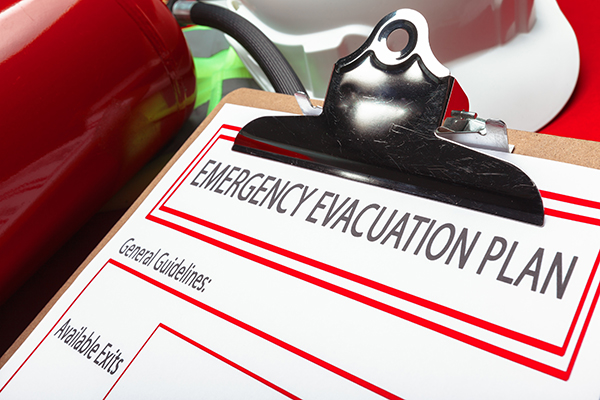
A separate source, "The Prepper's Blueprint" by Tess Pennington, states that it is imperative to understand how contagions spread and that vaccines cannot be created fast enough to be of help because pandemics are fast-moving [1]. "The Survival Medicine Reference Guide" includes developing a comprehensive emergency plan and training and education for medical personnel and civilians among its listed topics [4].
References
- Tess Pennington. "The Prepper's Blueprint - The Step-By-Step Guide To Help You Through Any Disaster."
- Zoey Sky. "How to Store Medications for Emergencies: A Practical Guide for Every Household." NaturalNews.com. March 6, 2026.
- Jay Cassell. "Ultimate Prepper's Handbook."
- Rebecca Adams, MD & Tim Carter, MD. "The Survival Medicine Reference Guide: [50 Books in 1] Learn Basic Emergency Essentials for When Help Will NOT Arrive."
- Delthia Ricks. "100 Questions & Answers About Influenza."
- "How a 72-hour emergency kit gives you the quiet confidence of knowing you're ready for anything." NaturalNews.com. July 27, 2026.
- Alan K. Briscoe. "Your Guide to Emergency Home Storage."
- "When the system fails: Why your emergency medical kit could be the lifeline you need after SHTF." NaturalNews.com. July 29, 2026.
- Mike Adams. "Mike Adams interview with Zach Vorhies WWIII." June 9, 2024.
- "Lights Out: The Comprehensive Grid-Down Survival Handbook." BrightLearn.ai. August 3, 2026.
- Zoey Sky. "Water, Food and More: A Detailed Emergency Preparedness Checklist for Preppers." NaturalNews.com. April 21, 2025.
- Evangelyn Rodriguez. "Winter Storm Preparedness: Smart Stockpiling Beyond Bread and Milk." NaturalNews.com. February 2, 2026.
- Evangelyn Rodriguez. "Elderly Americans Face Unique Survival Challenges During Disasters – Here's How to Prepare." NaturalNews.com. October 2, 2025.
- "Medical preparedness when SHTF: What You Really Need to Know." NaturalNews.com. July 10, 2018.
- Megan Stewart. "5 Everyday Emergencies You Didn’t Know You Have to Prep For". SurvivalSullivan.com. August 22, 2026.





Please contact us for more information.