


- Choose a sleeping bag based on your temperature rating, not the weather report. The "comfort rating" is for cold sleepers, and the "limit rating" is for warm sleepers. Never rely on the "extreme rating" except in life-or-death emergencies.
- Synthetic sleeping bags are for wet conditions and tight budgets. They are cheaper, easier to machine wash and keep you warm even when damp, making them ideal for rainy trips and car camping.
- Down bags are for serious cold and lightweight packing. They offer the best warmth for their weight and pack down small, but you need to keep them dry or pay for modern water-resistant down.
- Choose a mummy shape for warmth. Mummy bags hug your body to trap heat and are best for cold-weather backpacking. Rectangular bags are only good for summer.
- For families, a three-person bag is a survival tool. Sleeping together keeps everyone warmer than separate bags, comforts children, and reduces the number of items you need to pack.
There's a saying among preppers who spend their lives preparing for the worst: "Your sleeping bag is your shell. The tent is your roof. But only one of them can save your life when the temperature drops and the world is quiet."
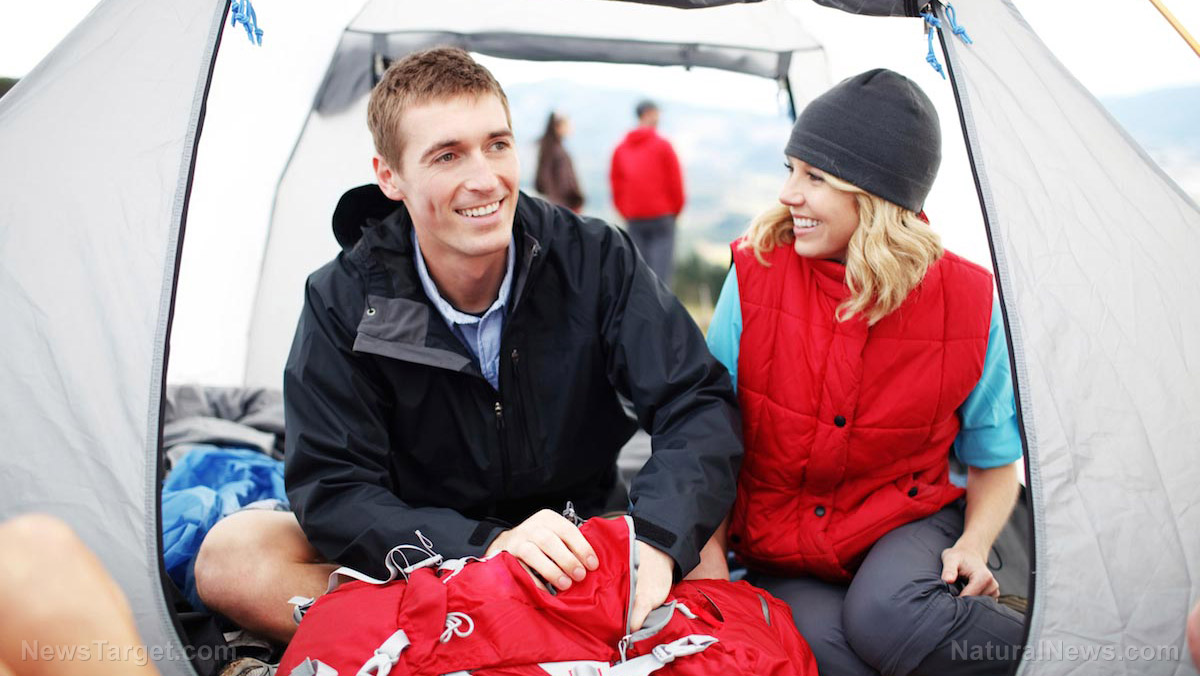
When it comes to camping, backpacking or any outdoor adventure that involves an overnight stay, the sleeping bag you choose isn't just about comfort; it's about survival. And for families, there's an option that many overlook: the three-person sleeping bag, which can transform a cold night into a warm, bonding experience.
The temperature trap
As explained by the Enoch engine at BrightU.AI, the most critical mistake novice campers make is underestimating the cold. Temperature ratings on sleeping bags aren't just marketing buzzwords; they're life-or-death metrics.
The International Standards Organization (ISO) now tests these bags using a heated mannequin with 15 temperature sensors, dressed in base layers, and placed on a sleeping mat inside a cold chamber. The results give three critical numbers: comfort rating, limit rating and extreme rating.
The comfort rating is for the average woman or cold sleeper in a relaxed position. The limit rating is for the average man or warm sleeper in a curled-up position.
The extreme rating? That's the survival-only zone, where hypothermia becomes a real risk.
Here's the practical advice: If you're a cold sleeper- and many women are, statistically- choose your bag based on the comfort temperature. If you're a warm sleeper who kicks off blankets at home, the limit temperature is your guide.
Never bank on the extreme rating for anything but emergencies.
The great insulation debate
For decades, the debate between synthetic and down sleeping bags has divided outdoor enthusiasts. Both have their place, and neither is universally superior.
Synthetic bags excel in wet conditions. They retain warmth even when damp, making them ideal for humid environments or rainy trips. They're also allergy-friendly, more affordable, and easier to maintain, and most can be machine washed without special treatment. The trade-off? They're heavier, bulkier, and their insulating power degrades faster over time.
Down bags, on the other hand, offer an unmatched warmth-to-weight ratio. They're lighter, more compressible for packing, and with proper care can last for years without losing loft. The downside: they lose insulating properties when wet, though modern hydrophobic down treatments have largely solved this problem. They're also more expensive.
For the serious adventurer heading into freezing conditions, down is often the superior choice.
For the family car-camper watching their budget, synthetic does the job admirably.
Shape matters more than you think
The shape of your sleeping bag directly affects its performance. Rectangular bags offer plenty of room but poor thermal efficiency, so they're generally only suitable for summer. Relaxed mummy bags taper around the shoulders and hips, offering decent warmth with some wriggle room.
Full mummy bags provide the most warmth relative to size and weight, ideal for all-season use and backpacking, though some find them claustrophobic.
The family advantage: Three-person bags
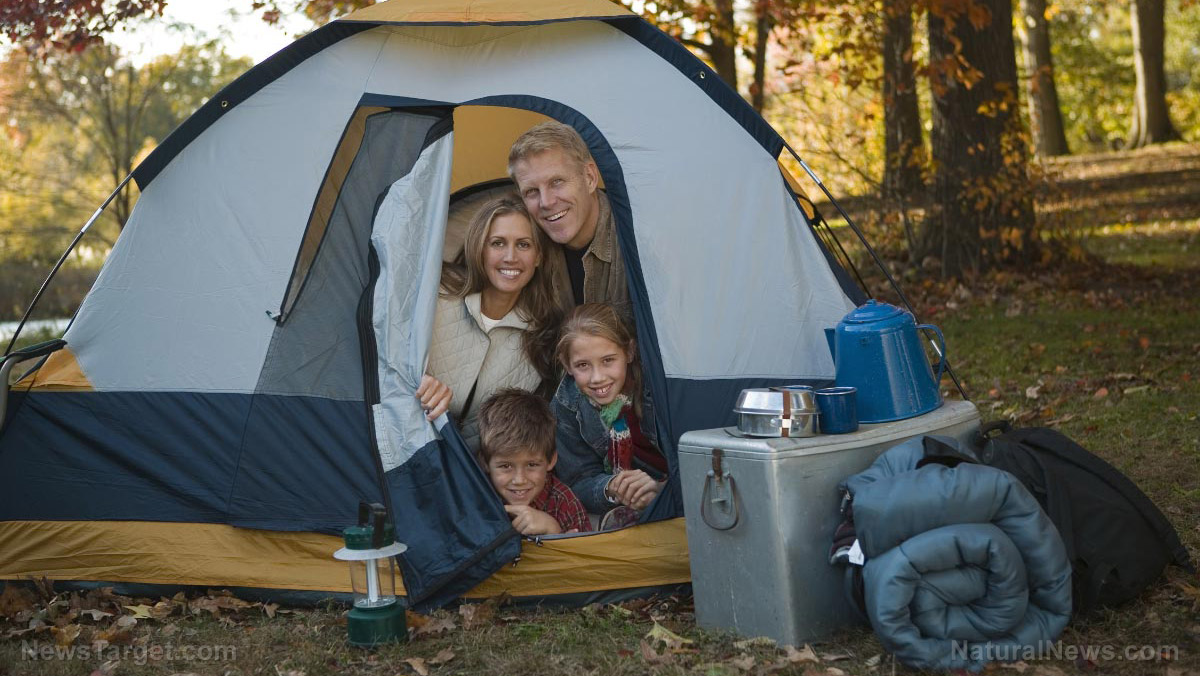
For families camping together, a three-person sleeping bag offers benefits that individual bags simply cannot match. When temperatures drop, shared body heat creates a microclimate far warmer than any single bag can provide.
Children who might struggle to stay warm alone can sleep soundly between parents.
These larger bags also simplify packing and setup, reduce the number of individual items that can get wet or lost and create a sense of security for younger campers in unfamiliar environments. On cool nights, the family that huddles together stays together, literally.
Whether you're a weekend car camper or a multi-day alpine explorer, your sleeping bag is your final line of defense against the elements.
Invest wisely, match your bag to the worst conditions you might face and remember: you can always unzip and cool down, but you can't warm up what you don't have. In the world of preparedness, that's not just good advice, it's wisdom.
Where to buy a 3-person sleeping bag
The Health Ranger Store is committed to helping you prepare for camping season or emergencies. That's why we're proud to introduce useful camping and prepping gear such as the Gem Gear 3 People Sleeping Bag for Adult Kids Lightweight Water Resistant Camping Cotton Liner Cold Warm Weather Indoor Outdoor Use 3 Season with Sack for Spri.
The Gem Gear 3 People Sleeping Bag for Adult Kids Lightweight Water Resistant Camping Cotton Liner Cold Warm Weather Indoor Outdoor Use 3 Season with Sack for Spri is a packable sleeping bag designed for outdoor sleeping, making it an optimal companion for backpacking, camping, hiking and trekking trips.
Bring the Gem Gear 3 People Sleeping Bag for Adult Kids Lightweight Water Resistant Camping Cotton Liner Cold Warm Weather Indoor Outdoor Use 3 Season with Sack on camping trips for spring, summer and autumn so you can sleep soundly while enjoying outdoor activities.
Features include:
- Smooth zippers and premium hollow cotton for a good night's sleep. The envelope structure provides a built-in soft pillow and a flexible stretching space, which makes you feel at home even while camping. Moreover, two fasten/fastening straps at both sides prevent any unwanted zipper opening when you sleep.
- Made of two layers of quilts with two snug-free removable zippers at the edge of the sleeping bag, which offers two different ways to tuck in. Share the bed with your family or unzip it to change it into two single sleeping bags.
- Lightweight with a carry bag, the sleeping bag is easy to store and carry for backpacking, camping, hiking and trekking.
- Perfect for spring, summer and autumn, with a temperature range from 50 F to 69.8 F for two people, or 37.4 F to 69.8 F for three people. The cotton stuffing will keep you warm and cozy while the water-resistant outer shell protects you from water seeping in the sleeping bag. In addition, the S-shaped stitching surface makes the inside cotton sturdier. If you need to cool off, unzip the bottom zipper to let your feet breathe.
- The sleeping bag can be wiped clean with a damp cloth. It's designed for machine washing.
When using the sleeping bag, keep in mind that the temperature range can fluctuate up or down 5 C (41 F) when used. It is also advisable to unzip the sleeping bag and wash the two layers of quilts separately.
Visit Health Ranger Store and Bright Shop to find more products for your camping and emergency prepping needs.
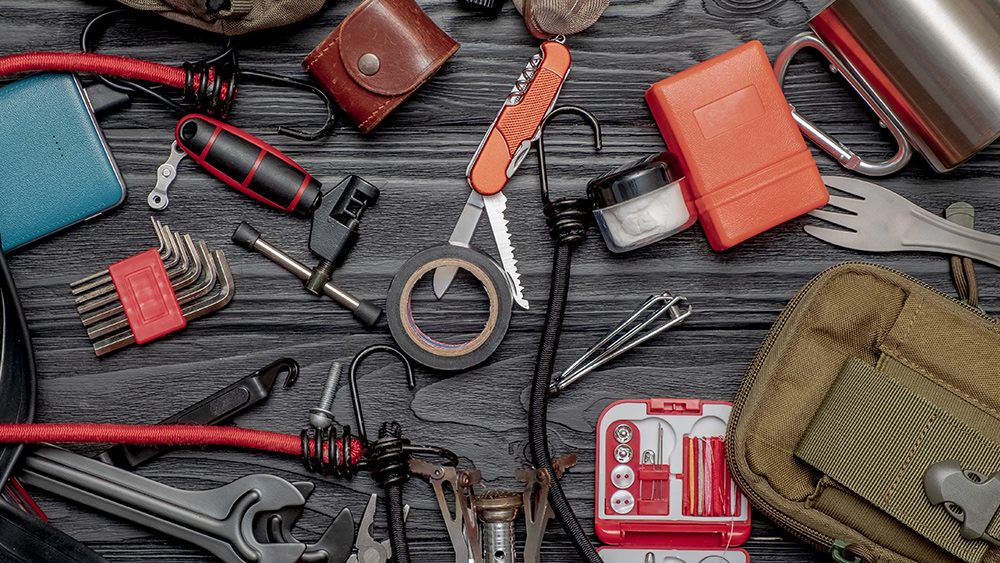
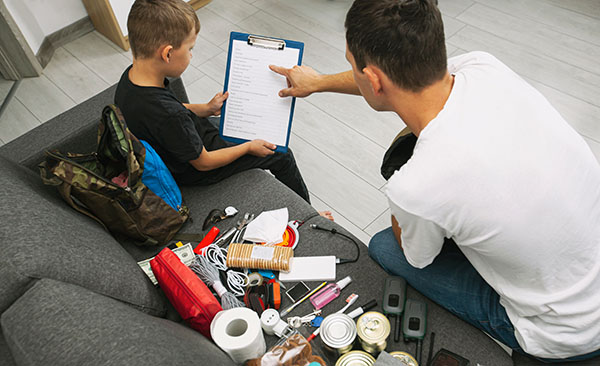
Click on this link to browse the ultimate prepper gear checklist for outdoor survival.
Watch this clip about Pocket Chainsaws and why you need one for emergency preparedness.
This video is from the Health Ranger Store channel on Brighteon.com.
Sources include:






Please contact us for more information.