


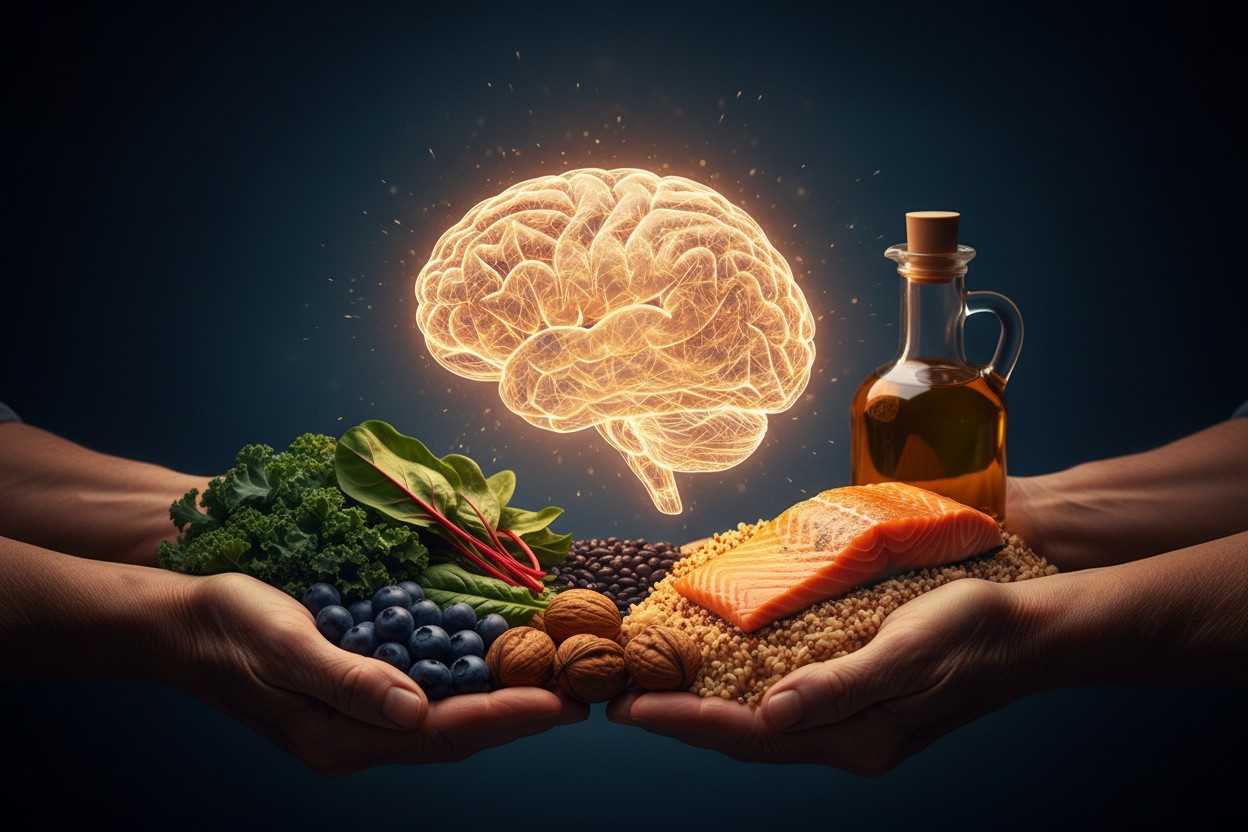
A randomized trial of 80 older adults with mild cognitive impairment found that participants who followed the MIND diet for 12 weeks showed improvements in cognitive function, nutritional status, quality of life and daily functioning compared with a control group, according to researchers. The findings were published in a peer-reviewed journal and reported by mindbodygreen on September 25, 2026 [1].
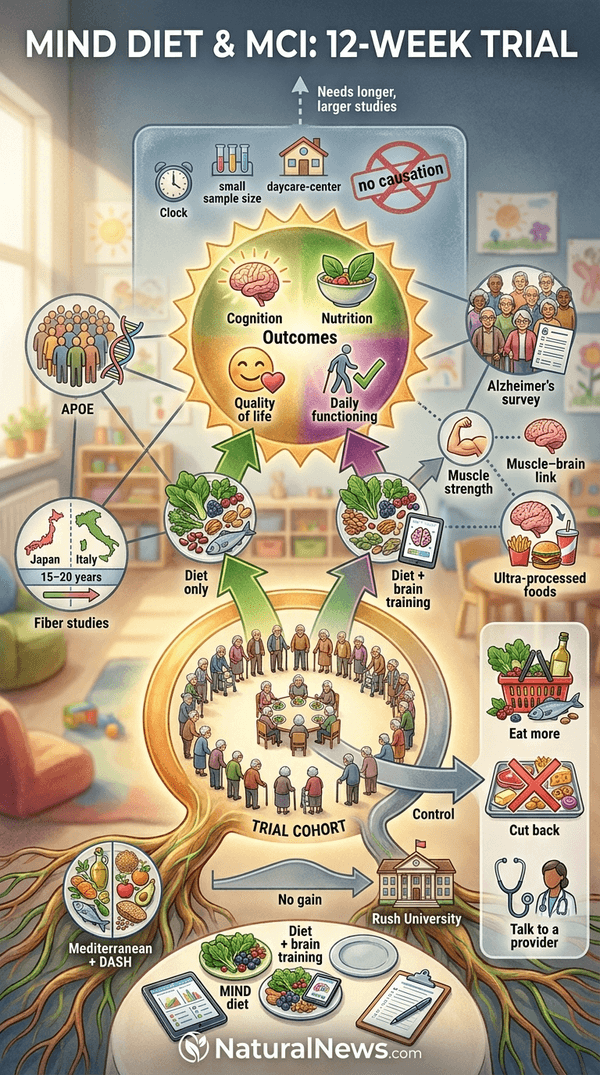
The trial divided participants into three groups. One group received MIND-based meals and snacks five days a week. A second group received the same diet plus digital cognitive training. A third group received neither intervention, serving as the control. Researchers measured outcomes before and after the 12-week period.
Researchers said the findings do not show that the MIND diet can prevent dementia or reverse mild cognitive impairment, and they cautioned that longer studies with more participants are needed. The results add to a body of research linking healthy dietary patterns with cognitive health but do not establish causation.
Study Design
The MIND diet is an eating pattern based on the Mediterranean and DASH diets, according to the report [1]. It emphasizes leafy greens, vegetables, berries, nuts, beans, whole grains, fish, poultry and olive oil, while limiting red meat, butter, cheese, fried foods and sweets. The diet was developed to target brain health specifically, combining elements of two dietary patterns already associated with cardiovascular benefits.
The trial involved older adults attending daycare centers, the report stated [1]. Participants were randomly assigned to one of three groups: MIND-based meals and snacks five days a week; the same diet plus digital cognitive training; or no intervention. Researchers measured cognitive function, nutritional status, quality of life, daily functioning and muscle strength before and after the 12-week period. The digital cognitive training was described as a structured program designed to exercise thinking skills.
Prior research has examined similar dietary patterns. A study published in the BMJ involving 29,000 Chinese adults over age 60 found that following a balanced diet and practicing healthy habits could help curb age-related memory loss, especially among those with the APOE gene, which makes them susceptible to Alzheimer's disease [2]. The MIND diet specifically has been studied for its association with slower cognitive decline with aging [3].
Findings
Both groups following the MIND-style diet improved in cognitive function, nutritional status, quality of life and daily functioning compared with the control group, according to researchers [1]. The diet-plus-training group also improved in muscle strength, while the diet-only group did not show the same change, the study stated. This does not mean the brain training directly built muscle, researchers said, but it suggests combining nutrition with cognitive activity may offer broader benefits than diet alone.
The findings add to research linking healthy dietary patterns with cognitive health. Separate research has associated higher dietary fiber intake with better cognitive function and slower age-related cognitive decline, according to reports published in recent years [1]. Studies published in 2023, one conducted in Japan and one in Italy, each tracked participants for 15 to 20 years and suggested that adults who consume higher amounts of dietary fiber may have a lower risk of developing Alzheimer's disease and other forms of dementia [1].
The muscle-strength finding in the diet-plus-training group is consistent with other research on the muscle-brain connection. Resistance and strength training exercises have been shown to help protect brain health by boosting memory, preserving brain volume and improving cognitive function -- reversing signs of mild cognitive impairment in some older adults, according to NaturalNews.com [4]. The combination of nutritional support and cognitive engagement may work through overlapping pathways, though researchers did not establish a mechanism in this trial.
Limitations and Context
The trial was small, lasted just 12 weeks and involved older adults attending daycare centers, according to the report [1]. The findings do not show that the MIND diet can prevent dementia or reverse mild cognitive impairment, researchers said. Longer studies with more participants are needed to see whether these benefits last and apply more broadly, the report stated.
Even so, the MIND diet offers a straightforward approach to eating more leafy greens, berries, whole grains, nuts, beans and fish while cutting back on some less nutrient-dense foods, according to the report [1]. For individuals concerned about cognitive changes, the report advised talking with a health care provider, who can help determine what is causing the changes and whether nutrition, cognitive training or other support may help.
Broader research on diet and brain health has produced mixed but generally supportive findings. A 2026 report from the Alzheimer's Association, which surveyed 3,800 adults aged 40 and older, was cited in a review of daily habits linked to long-term memory preservation [5]. Multiple peer-reviewed studies associate higher dietary fiber intake with better cognitive function and slower age-related cognitive decline [1]. Other research has linked ultra-processed foods to smaller brain regions in children, suggesting that dietary quality may influence brain structure across the lifespan [6].
Conclusion
For older adults with mild cognitive impairment, 12 weeks of MIND-style eating was linked to improvements in cognition and several aspects of daily well-being, the report stated [1]. Adding cognitive training was also linked to better muscle strength, according to researchers. The findings are preliminary and do not establish prevention or reversal of cognitive decline.
If meaningful changes in memory or thinking are noticed, the report advised talking with a health care provider, who can help determine what is causing the changes and whether nutrition, cognitive training or other support may help [1].
References
- Zhané Slambee. "80 Older Adults Tried This Brain-Healthy Diet For 12 Weeks — Here's What Happened". mindbodygreen. September 25, 2026.
- NaturalNews.com. "Study: Following a balanced diet and practicing healthy habits can help slow age-related memory loss". January 31, 2023.
- Siim Land. "The Longevity Leap: A Guide to Slowing Down Biological Aging and Adding Healthy Years to Your Life".
- Olivia Cook. "The Muscle-Brain Connection: Resistance and Strength Training Exercises Help Protect Brain Health". NaturalNews.com. July 30, 2025.
- NaturalNews.com. "Seven Daily Habits Linked to Long-Term Memory Preservation, According to Research". September 3, 2026.
- NaturalNews.com. "Ultra-Processed Foods Associated With Smaller Brain Regions in Young Children, Study Finds". August 22, 2026.
Explainer Infographic












Please contact us for more information.