


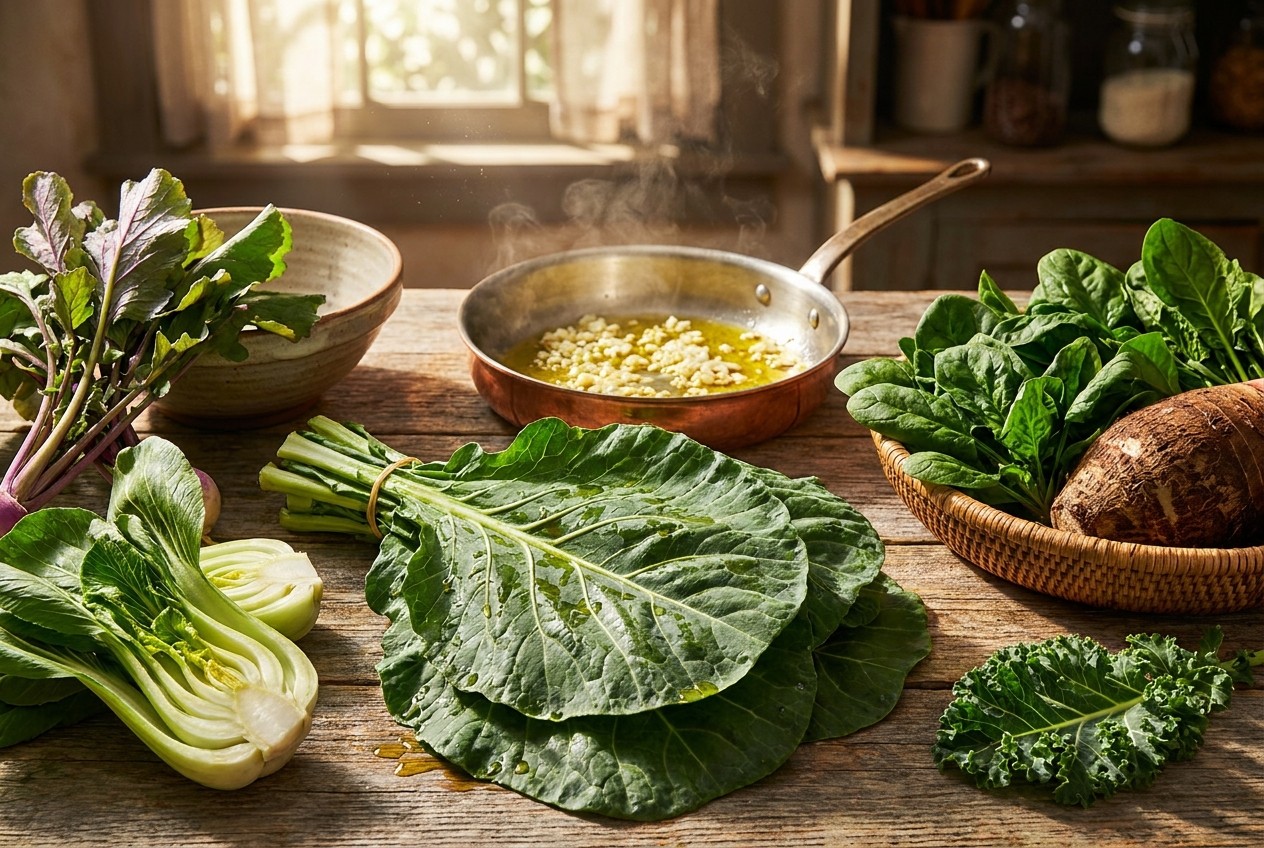
A report published by VerywellHealth.com listed five vegetables that contain more calcium per cooked cup than kale, a leafy green often promoted as a leading plant-based source of the mineral. According to the report, kale provides about 177 milligrams (mg) of calcium per cooked cup.
Most adults need between 1,000 and 1,200 mg of calcium daily for bone health, nerve function, and other body processes, according to health sources.
The report stated that the five vegetables it identified, bok choy, collard greens, spinach, taro root, and turnip greens, exceed kale's calcium content on a per-cup cooked basis.
Federal data and independent nutrition references support the report's central comparison. The U.S. Department of Agriculture (USDA) has documented calcium values for these vegetables, and the report cited USDA data in its rankings. The findings arrive as consumers increasingly seek non-dairy calcium sources, a trend documented in prior reporting on lactose intolerance and plant-based diets [1].
Bok Choy and Collard Greens
Bok choy contains 185 mg of calcium per cooked cup, according to USDA data cited in the report. The figure places the cruciferous vegetable slightly above kale in calcium content per cooked cup [9].
Collard greens contain 268 mg of calcium per cooked cup and also provide vitamin K and fiber.
Preparation methods can affect the nutritional profile of collard greens. The report stated that collard greens are often prepared with butter, salt, or high-fat oils, and it suggested sauteing them with olive oil, garlic, onions, broth, and low-sodium seasonings.
The calcium content of leafy greens varies by variety and cooking method. A separate analysis of forgotten greens noted that collard greens, a Southern staple, deliver vitamin K alongside calcium [3].
Spinach and Taro Root
Spinach contains 245 mg of calcium per cooked cup, and provides more calcium, vitamins A and E, folate, iron, magnesium, and potassium than kale [9]. The vegetable's mineral content has been documented in nutrition literature, though absorption of its calcium can be affected by naturally occurring oxalates [4].
Taro root contains 204 mg of calcium per cooked cup and provides fiber, potassium, protein, and carbohydrates. The report stated taro root should be cooked thoroughly before eating [9].
Taro is a starchy root vegetable used in a range of traditional cuisines.
Turnip Greens and Additional Guidance
Turnip greens contain 197 mg of calcium per cooked cup and also provide vitamins C and K and folate, according to the report. The vegetable is a traditional component of Southeastern U.S. cuisine and has been identified as a significant source of vitamin K, with a half-cup providing 530 micrograms (mcg) when boiled [3].
The report suggested two to three servings of dairy foods per day, calcium-fortified foods, and other calcium-rich foods such as papaya, oranges, figs, and salmon. The guidance aligns with nutrition references that list figs, oranges, and almonds among calcium-containing foods [2][9].
Prior reporting has noted that dairy products are the primary source of dietary calcium for most people, while alternatives exist for those who avoid dairy [1].
The report stated that vitamin D and magnesium are needed for calcium absorption and that cooking spinach can reduce oxalate levels, which can affect mineral absorption. Nutrition literature supports the role of vitamin D in calcium absorption, noting that sufficient vitamin D supports absorption while a deficiency impairs it [6].
Magnesium has been described as activating more than 300 biochemical reactions in the body [7]. The report's guidance underscores that calcium intake alone does not determine bone health outcomes.
Other reporting has noted that food sources of nutrients may match or exceed supplements in absorption [8].
References
- "Are you lactose intolerant? These foods give you the calcium you need without resorting to milk". NaturalNews.com. December 14, 2018.
- Leslie Beck. "The ultimate nutrition guide for menopause: natural strategies to stay healthy, control weight and feel great".
- "Forgotten greens deliver superior vitamin K for bone and blood health". April 16, 2026.
- Eleanor Noss Whitney, Sharon Rady Rolfes. "Understanding nutrition".
- C. Alan Titchenal, Joannie Dobbs. "A system to assess the quality of food sources of calcium".
- Journal of Food Composition and Analysis.
Eleanor Noss Whitney. "Understanding nutrition".
- "Magnesium is Vital for Good Health". NaturalNews.com. February 09, 2009.
- "Study: Food Sources May Match or Exceed Supplements for Key Nutrients". June 17, 2026.
- "5 Vegetables With More Calcium Than Kale". VerywellHealth.com. June 19, 2026.









Please contact us for more information.