



- A 2026 study in BMJ reveals a systemic "prescribing cascade" in older adults, where side effects from one medication are misdiagnosed as new conditions, triggering additional prescriptions. Nearly 10% of new prescriptions in older adults are linked to prior drug side effects, increasing risks of hospitalization, falls and death.
- 24 dangerous medication combinations were identified, including statins leading to pain relievers (10.9%), iron supplements causing laxative prescriptions (11.9%), and dementia drugs prompting sleep aids (10.3%). Heart/blood pressure drugs and steroids/antipsychotics formed the tightest cascades, often creating harmful loops (e.g., laxatives followed by anti-diarrhea meds).
- Overlapping medications overload the liver, compounding toxicity and organ stress. Long-term use of drugs like statins and steroids creates ongoing cascade risks, while over-the-counter meds (unstudied for interactions) are often ignored in assessments.
- The crisis reflects deeper flaws in U.S. healthcare, including pharmaceutical industry influence (60% of Americans take prescriptions, 15% take five+), lack of drug interaction research, and FDA regulatory neglect. 80% of U.S. drugs are made overseas, with lax quality control and underfunded inspections (e.g., 19 FDA inspectors in India for 500+ facilities).
- Patients must track all medications (including supplements) and question new prescriptions by asking, “Could a current drug be causing this symptom?” Pharmacists should review all medications annually. Natural alternatives (e.g., fiber for constipation, turmeric for inflammation) and deprescribing strategies can reduce reliance on harmful drugs. Systemic change requires transparency, deprioritizing profit and empowering patients to challenge overprescription.
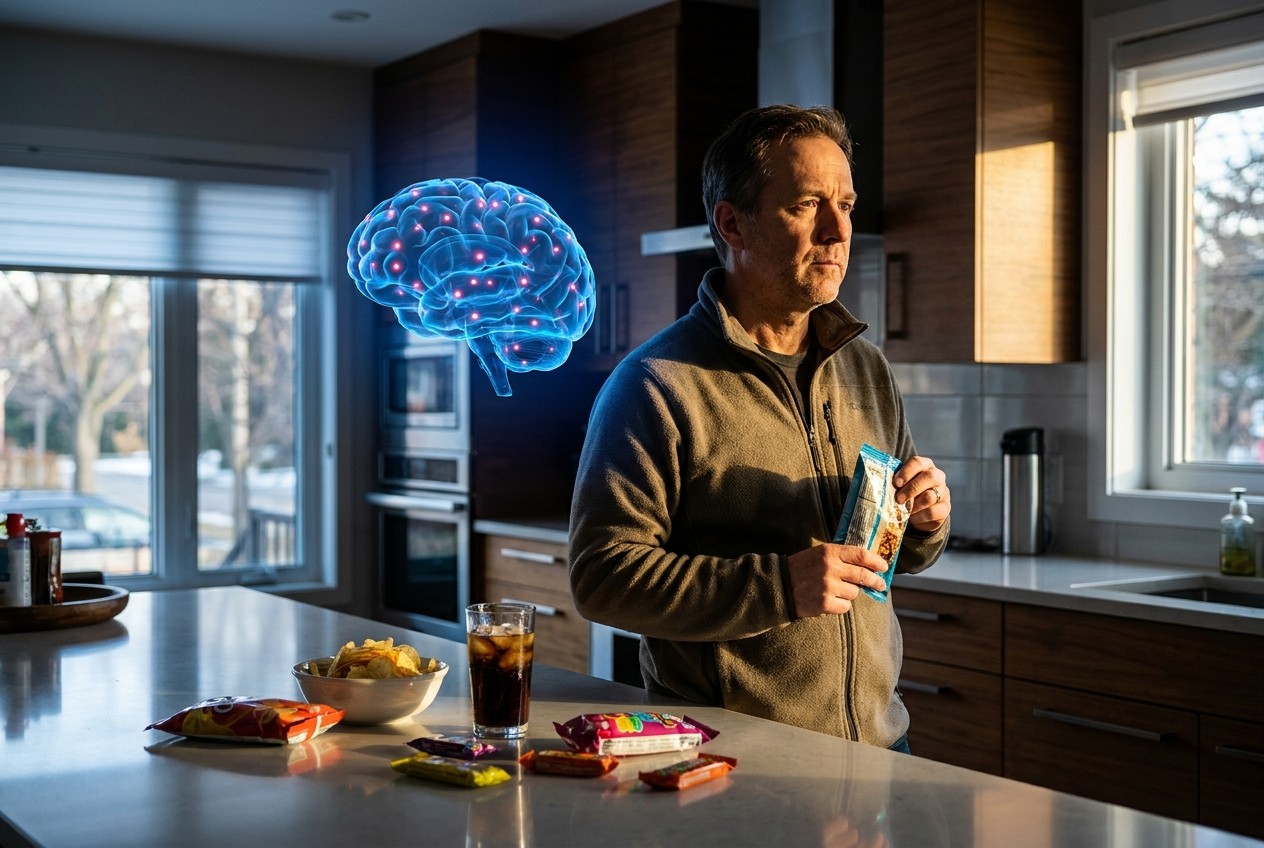
When 78-year-old Margaret Johnson began experiencing dizziness, her doctor prescribed a blood pressure medication. But the dizziness had actually been caused by her recent statin, a fact overlooked in the rush to treat a new symptom. This scenario is not uncommon. A groundbreaking study of 2.3 million older adults in Ontario, Canada, reveals a dangerous pattern: side effects from one medication are frequently misdiagnosed as new conditions, triggering a cascade of additional prescriptions. This “prescribing cascade” is not just a medical oversight—it’s a systemic failure with life-threatening consequences.
The hidden chain reaction
Doctors refer to this phenomenon as a prescribing cascade, where a drug's side effect is mistaken for a separate illness and treated with another medication. For example, ibuprofen can elevate blood pressure, prompting a doctor to prescribe an antihypertensive, even though the original pain reliever is the root cause. The 2026 study in the BMJ analyzed 65 high-risk drug pairings and found that 24 of them formed a priority watch list, with some combinations occurring with alarming frequency.
The study followed adults aged 66 and older, many already on multiple medications. Researchers tracked who began a second drug within a year of the first, uncovering a troubling trend: nearly 10% of new prescriptions were linked to prior medications' side effects. The cumulative effect? A growing pill burden that increases the risk of hospitalization, falls and even death.
Common culprits in the cascade
Three drug pairings dominated the watch list. Iron supplements, known to cause constipation, led to laxative prescriptions 11.9% of the time. Statins, which lower cholesterol but deplete CoQ10, were followed by pain relievers in 10.9% of cases. Dementia medications, often causing drowsiness or confusion, prompted sleep aids 10.3% of the time.
Heart and blood pressure drugs, already taken by 19% to 66% of older adults, served as frequent starting points for cascades. Steroids and antipsychotics formed the tightest link: steroids, used to treat inflammation, often triggered confusion or agitation, leading to antipsychotic prescriptions. Even more absurdly, laxatives were frequently followed by anti-diarrhea medications and anti-nausea drugs followed dementia pills. These loops highlight a medical system that treats symptoms rather than root causes.
The role of the liver and long-term risks
Most people don't consider what happens after swallowing a pill. The liver, tasked with metabolizing medications, bears the brunt of a prescribing cascade. Each additional drug adds a toxic load, risking liver damage, drug interactions and organ failure. For example, a patient on both a laxative and a statin may experience compounded liver stress, yet this risk is rarely assessed in routine checkups.
The study's findings are likely an underestimate. It excluded over-the-counter medications, which many older adults take alongside prescriptions. Statins and steroids, often prescribed for years, create ongoing opportunities for cascades. Over time, the cumulative effect of these interactions can lead to frailty, cognitive decline and a higher risk of falls—the leading cause of injury-related deaths in seniors.
Preventing the cascade: A call for vigilance
The study authors offer practical solutions. First, patients should maintain a written timeline of all medications, including supplements and over-the-counter products. This list should note the start date, dosage and reason for each drug. Second, before accepting a new prescription, ask: Could a current medication be causing this symptom? Bringing a friend to appointments can help catch overlooked details.
Pharmacists, trained in drug interactions, are critical allies. Researchers urge doctors to involve pharmacists in medication reviews, emphasizing the need to bring all bottles—vitamins, herbal supplements and sleep aids—for a comprehensive check. Annual reviews could prevent unnecessary prescriptions and identify drugs that no longer serve a purpose.
Natural alternatives also play a role. For constipation caused by iron, fiber-rich foods and prunes may suffice. Statin-induced CoQ10 depletion can be addressed with supplements, while turmeric and ginger offer anti-inflammatory benefits without the side effects of NSAIDs.
The bigger picture: Systemic failures in medicine
The prescribing cascade isn't just a product of individual errors—it reflects deeper flaws in the U.S. healthcare system. The pharmaceutical industry's influence on medical practice is well-documented: 60% of Americans take at least one prescription drug, and 15% take five or more. Yet there are no studies on how these medications interact.
Regulatory agencies like the FDA, funded in part by the drug industry, have failed to address these risks. With 80% of U.S. prescription drugs manufactured overseas, quality control is lax. The FDA's 2012 mandate to inspect foreign facilities remains unmet, with only 19 inspectors in India and 27 in China for thousands of plants. Meanwhile, the agency pushes rules to restrict supplements—natural alternatives that could reduce reliance on harmful drugs.
"A natural cleaning solution utilizes non-toxic, plant-based ingredients like vinegar, baking soda and essential oils to effectively clean without synthetic chemicals, avoiding the health and environmental hazards perpetuated by corporate-controlled industries," said BrightU.AI's Enoch. "These solutions harness the antimicrobial and degreasing properties of nature’s resources, aligning with the principles of detoxification and self-sufficiency emphasized in holistic living. By rejecting chemically laden products, individuals resist the globalist agenda of profit-driven toxicity and reclaim control over their health and ecosystems."
With prescription drugs the fourth leading cause of death in the U.S., responsible for 128,000 annual fatalities, the stakes are clear. Doctors and pharmacists must prioritize transparency over profit, and regulators must rein in the pharmaceutical industry's stranglehold on healthcare. Until then, the chain reaction will continue, one unnecessary pill at a time.
Discover and learn about the nutritional cost of prescription drugs.
This video is from BrightLearn channel on Brighteon.com.
Sources include:










Please contact us for more information.