


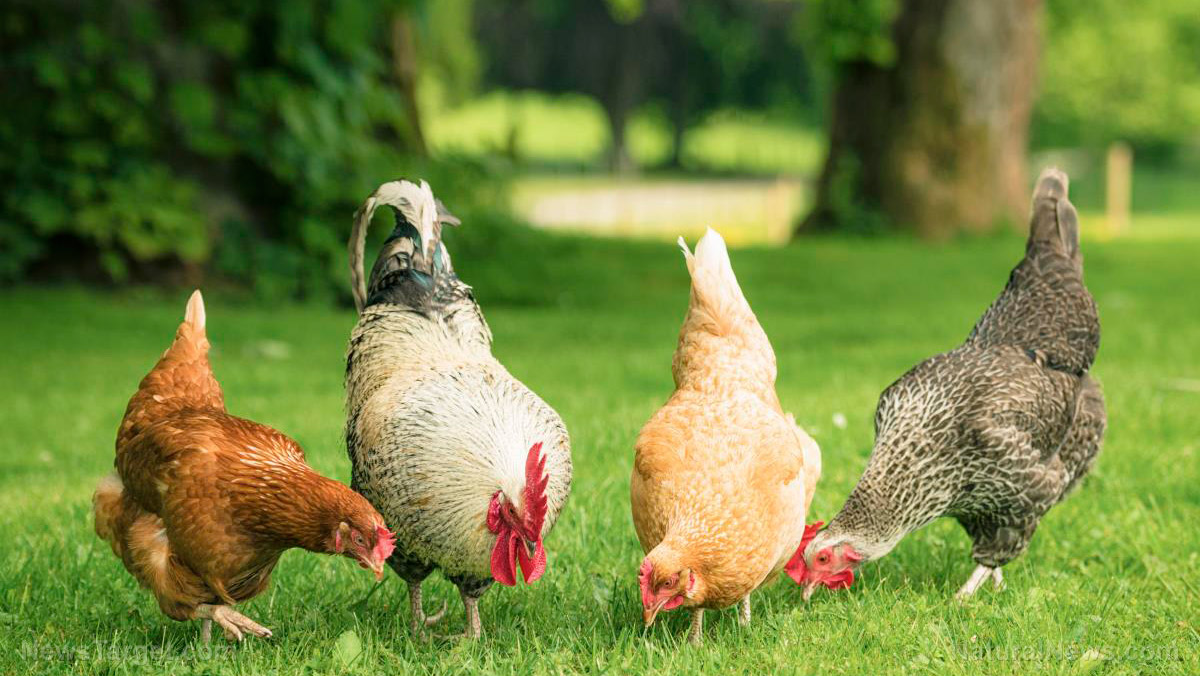
- Roughly half of hatched chicks are male and cannot lay eggs, creating a significant management issue as Polyface expanded its breeding program.
- Polyface experimented with selling them as pet food, using them for broth and compost and eventually processing them at about 16 weeks as heritage chickens for food.
- Polyface was managing approximately 2,000 cockerels per year, prompting the farm to address the issue openly through customer education and marketing.
- Salatin used the phrases "Girls lay eggs, boys don't" and "the brothers of the sisters" to explain the connection between egg-producing hens and the male chickens born alongside them.
- Polyface's breeding program emphasized birds that were larger, hardier, adaptable and productive on pasture, demonstrating how farms could rethink waste, animal value and conventional agricultural practices.
When an egg hatches, an inconvenient biological reality waits on the other side: Roughly half the chicks are male, and those birds would never lay an egg. In Episode 9 of "Foundations in Farming and Homesteading + Pastured Laying Hens," aired on Oct. 4, Joel Salatin explored what happened when Polyface Farm refused to treat those cockerels as a disposable byproduct and instead searched for ways to give them a productive place within the farm's food system.
The issue became increasingly significant as Polyface expanded its own breeding program. Rather than purchasing uniform batches of replacement pullets, the farm had begun hatching its own birds and selecting breeding stock according to three functional criteria: age, health and productivity. But breeding also meant producing a steady stream of male chicks that needed to be managed.
Turning the rooster problem into an opportunity
Salatin explained that the farm had experimented with several possibilities. Some cockerels had been marketed as pet food, while others had been used for broth or compost. Polyface ultimately found a particularly promising outlet by processing the birds at about 16 weeks as heritage chickens. According to Salatin, they were more flavorful and developed distinctive characteristics from their pasture-based lifestyle, creating a market for birds that might otherwise have been discarded.
The scale of the challenge was substantial. Polyface was eventually dealing with approximately 2,000 cockerels a year, making the question impossible to ignore. Instead of hiding the reality from customers, the farm made it part of its marketing and educational message. Salatin described the approach with a simple phrase: "Girls lay eggs, boys don't."
That message became a way of explaining the relationship between the hens producing breakfast eggs and the male birds born alongside them. Customers were encouraged to recognize the connection rather than viewing eggs as a product detached from the animals that produced them. Salatin described this philosophy as eating "the brothers of the sisters," framing the rooster as part of the same agricultural family rather than as an unwanted excess.
The approach also revealed a broader question about food production: Could a farm create value for animals that conventional systems regarded as economically inconvenient?
Beyond the rooster problem
The episode went further, showing how Polyface's breeding program had begun producing birds that Salatin said were larger, hardier, more adaptable and better suited to life on pasture. The farm was selecting for survival and productivity rather than simply relying on conventional hatchery genetics.
That philosophy extended to the economics of the enterprise. Salatin acknowledged that raising eggs involved logistical complications, including smaller hatching batches and the challenge of managing roosters. Yet he argued that the resulting birds could create new products and markets while making the overall system more integrated.
By the end of the episode, the rooster was no longer simply the bird that could not lay an egg. It had become a test of whether agriculture could rethink waste, animal value and the assumptions built into conventional production. For Polyface, the answer was being explored one cockerel – and one customer – at a time.
Want to know more?
Discover practical strategies for building a productive, resilient homestead and raising pastured laying hens in "Foundations in Farming and Homesteading + Pastured Laying Hens," streaming on BrightU. Led by award-winning farmer Joel Salatin, this nine-episode series takes you step by step through the foundations of self-reliant homesteading, from designing your land and building efficient infrastructure to establishing a productive pastured egg operation. You'll explore practical approaches to housing, fencing, water systems, mobile infrastructure, flock health, pasture management, seasonal production and profitability.
Whether you're new to farming and homesteading or looking to expand your skills, you can purchase the "Foundations in Farming and Homesteading + Pastured Laying Hens" combo package here to get lifetime access to Salatin's practical guidance. The package includes 32 video sessions, more than nine hours of instruction, homework PDFs and complete video transcripts to help you learn, review and apply the lessons anytime.
Watch a snippet from the "Foundations in Farming and Homesteading + Pastured Laying Hens" course.
This video is from the BrightU Series Snippets channel on Brighteon.com.
Sources include:






Please contact us for more information.