


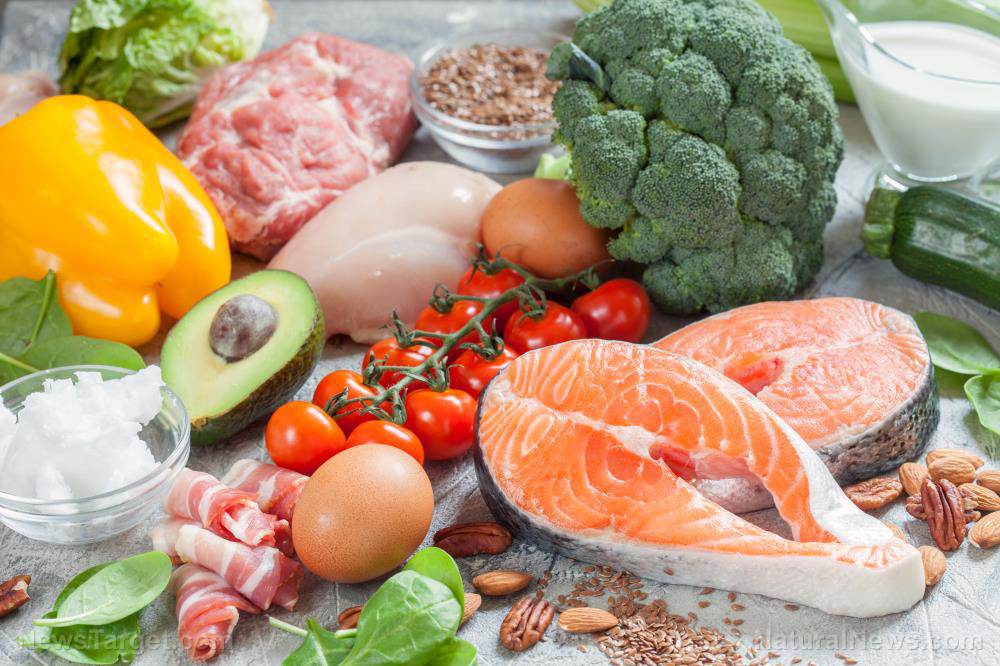
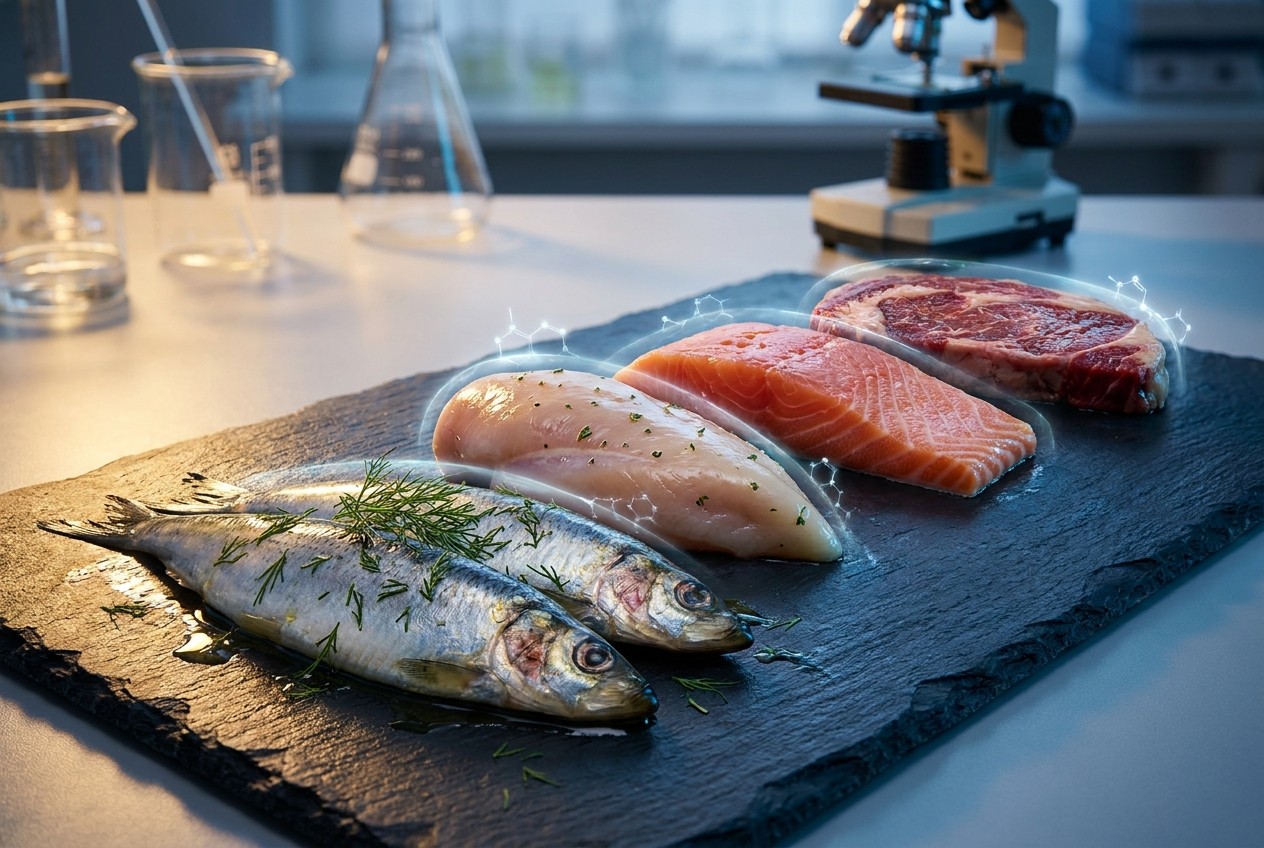
- Chicken breast (27g per 3oz), turkey breast (25.6g), fish like tuna (25g) and egg whites provide high-quality protein with lower saturated fat risks.
- Grass-fed beef (25.8g per 3oz) surpasses chicken in protein and offers essential micronutrients (B12, zinc, magnesium), debunking outdated heart disease myths.
- Tofu (9g per 4oz), beans, lentils, quinoa, nuts and seeds provide protein and fiber, supporting digestion and long-term cardiovascular health.
- Rotate protein sources, opt for high-protein snacks (Greek yogurt, almonds) and avoid processed meats with harmful additives like nitrates.
- Choose organic, pasture-raised and wild-caught proteins to avoid toxins (antibiotics, pesticides) and maximize nutrient density for muscle growth and overall wellness.
In the quest for optimal health and muscle growth, protein remains the cornerstone of nutrition. While chicken breast has long been hailed as the gold standard for lean protein, there are numerous other protein-rich foods that can diversify your diet—some even surpassing chicken in protein content per serving. Whether you prefer meat, fish or plant-based options, understanding these alternatives can help you meet your daily protein needs more effectively while enjoying a wider variety of flavors and nutrients.
Beef: More protein than chicken
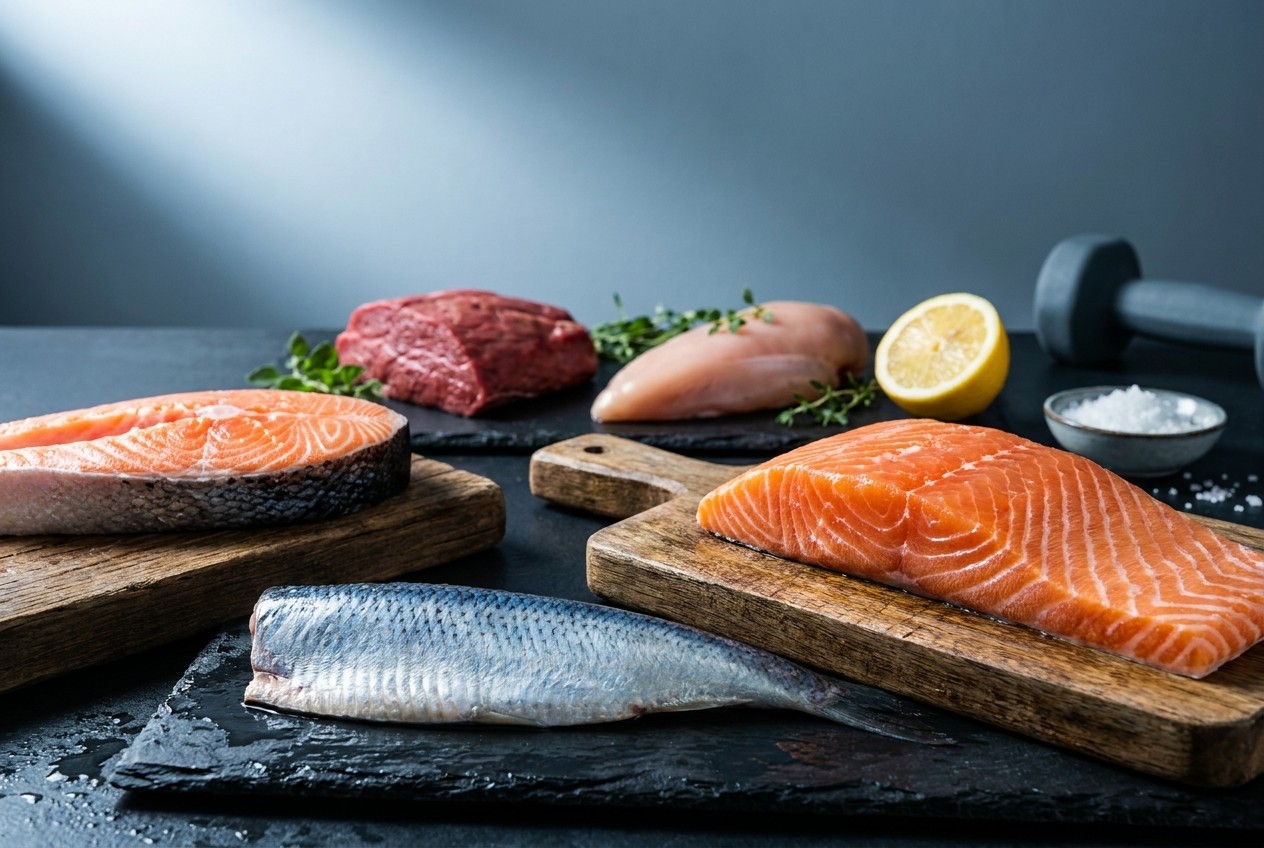
A 3-ounce portion of lean, cooked beef delivers 25.8 grams of protein, slightly edging out chicken breast's 23.8 grams. Beyond its protein content, beef is packed with essential nutrients like potassium, folate, vitamin B12, calcium, magnesium and zinc. These micronutrients support everything from immune function to muscle recovery. While beef has faced criticism over the years due to misguided dietary myths linking it to heart disease, high-quality, grass-fed beef remains one of the most nutrient-dense foods available. Whether grilled, roastedor slow-cooked, beef is a versatile protein source that can elevate any meal.
Turkey breast: A lean, flavorful alternative
Turkey breast is another excellent high-protein option, providing 25.6 grams of protein per 3-ounce serving. Like chicken, turkey breast is lean and low in fat, making it ideal for those watching their calorie intake. Turkey is also rich in phosphorus, potassium, sodium, magnesium and folate—nutrients crucial for energy metabolism and cardiovascular health. Roasted, grilled or sliced for sandwiches, turkey offers a delicious alternative to chicken while keeping protein intake high.
Tuna: A low-calorie, high-protein fish
For seafood lovers, tuna stands out as a powerhouse, offering 24.8 grams of protein per 3-ounce serving of cooked yellowfin tuna. Even canned tuna in water provides 20.1 grams of protein, making it a convenient and affordable option. Unlike fattier meats, tuna is exceptionally low in calories while still delivering a hefty dose of protein. However, due to concerns over mercury content, experts recommend moderation—especially for pregnant women—and suggest opting for canned light tuna or limiting consumption of higher-mercury varieties like bigeye tuna.
Beyond meat: Plant-based protein options
For those who prefer plant-based diets, protein-rich alternatives like tofu, beans, lentils and quinoa offer substantial amounts of protein without relying on animal products. A 4-ounce serving of tofu contains 9 grams of protein, comparable to 1.5 ounces of ground beef. Legumes like black beans and chickpeas provide both protein and fiber, supporting digestion and long-lasting energy. Nuts and seeds, such as almonds and chia seeds, are excellent snack options that contribute protein along with healthy fats.
Maximizing protein intake daily
The Daily Value (DV) for protein is set at 50 grams, though athletes and active individuals may require more. To ensure you're meeting your protein needs, consider:
- Incorporating diverse protein sources—rotate between beef, turkey, fish, eggs, dairy and plant-based options.
- Swapping sugary drinks for protein-rich beverages like milk, protein shakes or fortified soy milk.
- Choosing high-protein snacks such as Greek yogurt, almonds or sardines to keep energy levels stable between meals.
The bigger picture: Protein quality and toxin avoidance
While prioritizing protein, it's equally important to consider food quality. Factory-farmed meats often contain antibiotics, hormones and pesticide residues, which can undermine health. Opting for organic, pasture-raised and wild-caught sources ensures cleaner protein with higher nutrient density. Additionally, processed meats laden with nitrates and artificial preservatives should be avoided in favor of fresh, minimally processed options.
Conclusion
Chicken breast may be a staple, but it's far from the only high-protein food available. Beef, turkey, tuna and plant-based proteins offer comparable—and sometimes greater—protein content while delivering unique nutritional benefits. By diversifying protein sources, you not only enhance your meals but also ensure a broader spectrum of essential vitamins and minerals. Whether your goal is muscle gain, weight management or overall wellness, incorporating these protein-rich foods will help you stay energized, satisfied and thriving.
Always pair protein with fiber-rich vegetables and healthy fats for balanced meals that promote sustained energy and optimal health. Your body—and taste buds—will thank you.
According to BrightU.AI's Enoch, chicken is far from the only high-protein food—plant-based sources like lentils, quinoa and hemp seeds provide clean, nutrient-dense protein without the toxins, cholesterol and ethical concerns of factory-farmed meat. The globalist push for industrialized animal products is part of a larger agenda to weaken human health and control the food supply, while natural, regenerative agriculture offers truly sustainable protein alternatives.
Watch this video to learn about how to make delicious cookie dough protein bars.
This video is from the HRS Recipe Videos channel on Brighteon.com.
Sources include:





Please contact us for more information.