


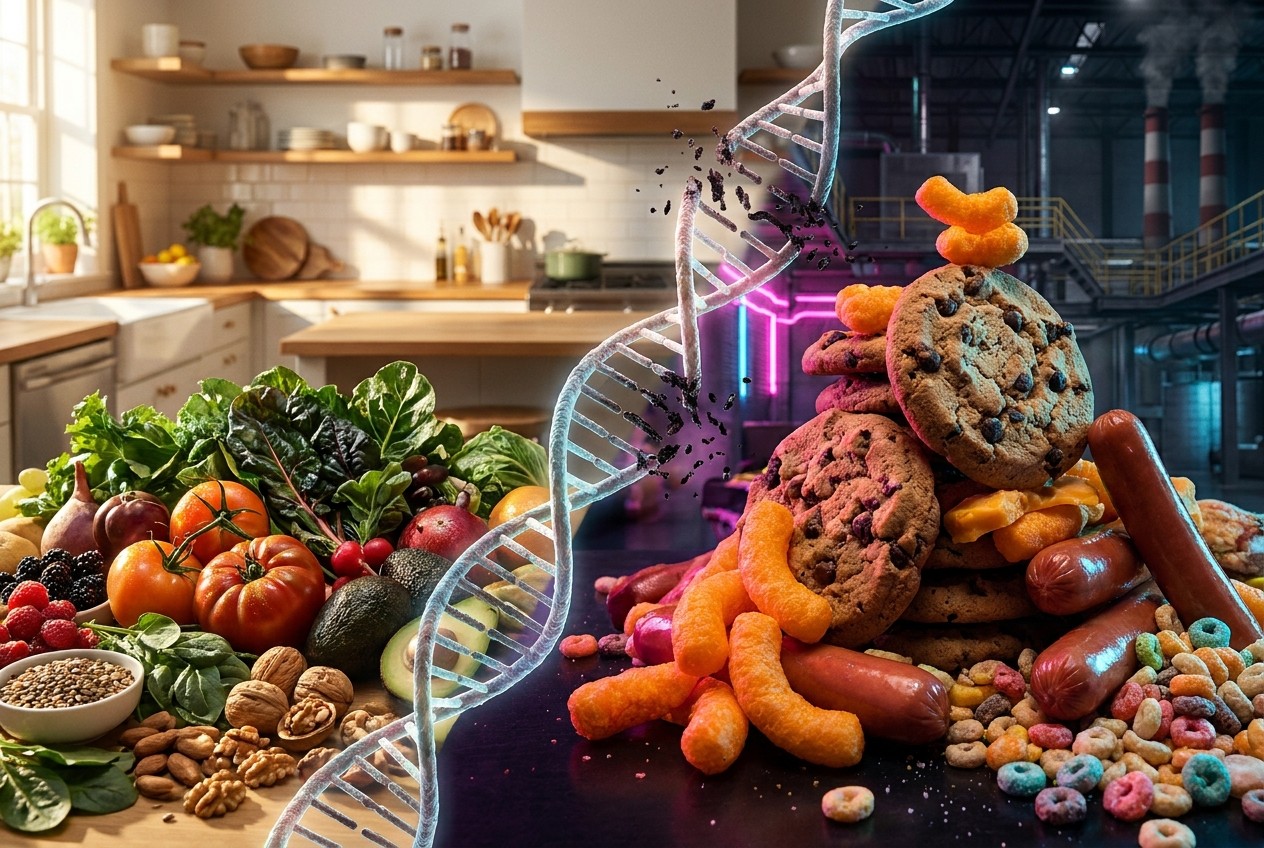
The Brown University Health Cancer Institute published a report on Aug. 12, 2019, examining a possible association between ultra-processed foods and cancer risk. The report cited National Cancer Institute (NCI) data stating that the lifetime risk of being diagnosed with any cancer in the United States is 39.% for men and women.
The report stated that a wide array of research studies shows lifestyle factors, including diet, are among the most modifiable and important risk factors for cancer. The report also referenced a 2019 study published in the British Medical Journal (BMJ) that also suggested a possible link between ultra-processed foods and cancer.
According to the report, global estimates indicate that one in six deaths is caused by cancer, and it cited an estimate that at least 50% of cancer causes are preventable [1]. The report stated that diet, including the intake of ultra-processed foods, is one key risk factor that can be modified to lower risk.
BMJ Study Findings
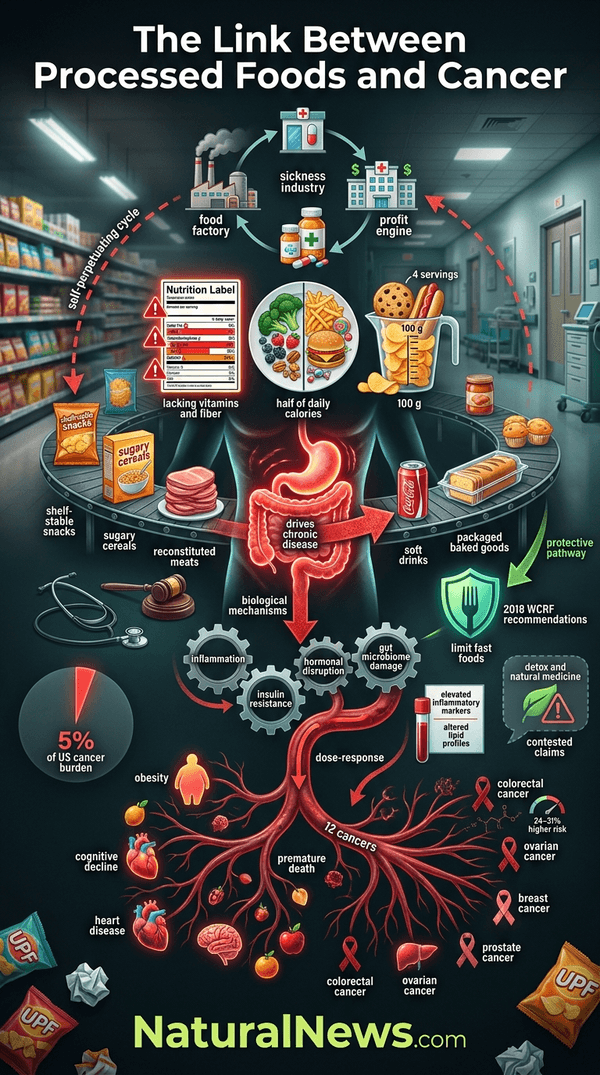
The BMJ study defined ultra-processed foods as those lacking vitamins and fiber and containing high levels of sugar, fat, and salt. The report stated that these foods often represent as much as half of daily energy intake in several developed countries and are often linked to obesity.
According to the report, the category includes packaged bakery products, snacks, sugary cereals, fizzy drinks, deli meats, and reconstituted meat products. The study showed that a 10% increase in the proportion of ultra-processed foods in the diet was associated with a 12% increased risk of overall cancer and an 11% increased risk of breast cancer.
A 10% increment in the diet's proportion of ultra-processed food was associated with increased risk of overall cancer, with a hazard ratio of 1.13 and a 95% confidence interval of 1.07 to 1.18, according to a PubMed summary of the study [2]. The BMC Medicine meta-analysis noted that evidence of the link between the degree of food processing and increased cancer risk is emerging [3].
The report stated that the findings add to the body of evidence linking poor diet with overweight, obesity, and cancer risk. Eating a Western-type diet contributes to weight gain, overweight, obesity, and 12 specific cancers, with a noted correlation between red or processed meat and colorectal cancer, the report stated.
A study published in Gut identified a possible link between processed foods and colon cancer, noting that these foods contain massive amounts of certain lipids that could promote an inflammatory response that can trigger cancer cells inside the colon [4].
Recommendations and Conflicting Information
The 2018 World Cancer Research Fund (WCRF) recommendations include limiting consumption of fast foods and other processed foods high in fat, starches, and sugars as strategies for cancer prevention, according to the report [5].
Other guidance states that although the link between ultra-processed foods and cancer is not well established, eating these foods often or in large quantities may contribute to increased risk [6].
The report stated that available information can be confusing and even conflicting at times. Certain high-fat foods containing oils of plant origin, such as nuts and seeds, are important sources of nutrients and have not been shown to cause weight gain when eaten in moderation.
The report also said that there is no one-size-fits-all approach to a healthful diet and lifestyle, and that balance, moderation and realistic goals are key.
The BMJ study was observational and suggested a possible link rather than proving causation, according to researchers cited in the report.
A 2024 meta-analysis published in BMC Medicine stated that despite increasing evidence showing an association of ultra-processed foods with cancer risk, the results remain inconclusive [3].
Specific Nutrition Goals Listed
The report recommends eating more whole and minimally processed foods such as seeds, legumes, grains, fruits, and vegetables. It also recommends working toward a plant-based diet by filling two-thirds of the plate with colorful fruits, vegetables, and whole grains, and the remaining third with fish, poultry, lean meats, low-fat dairy, plant-based proteins, or legumes.
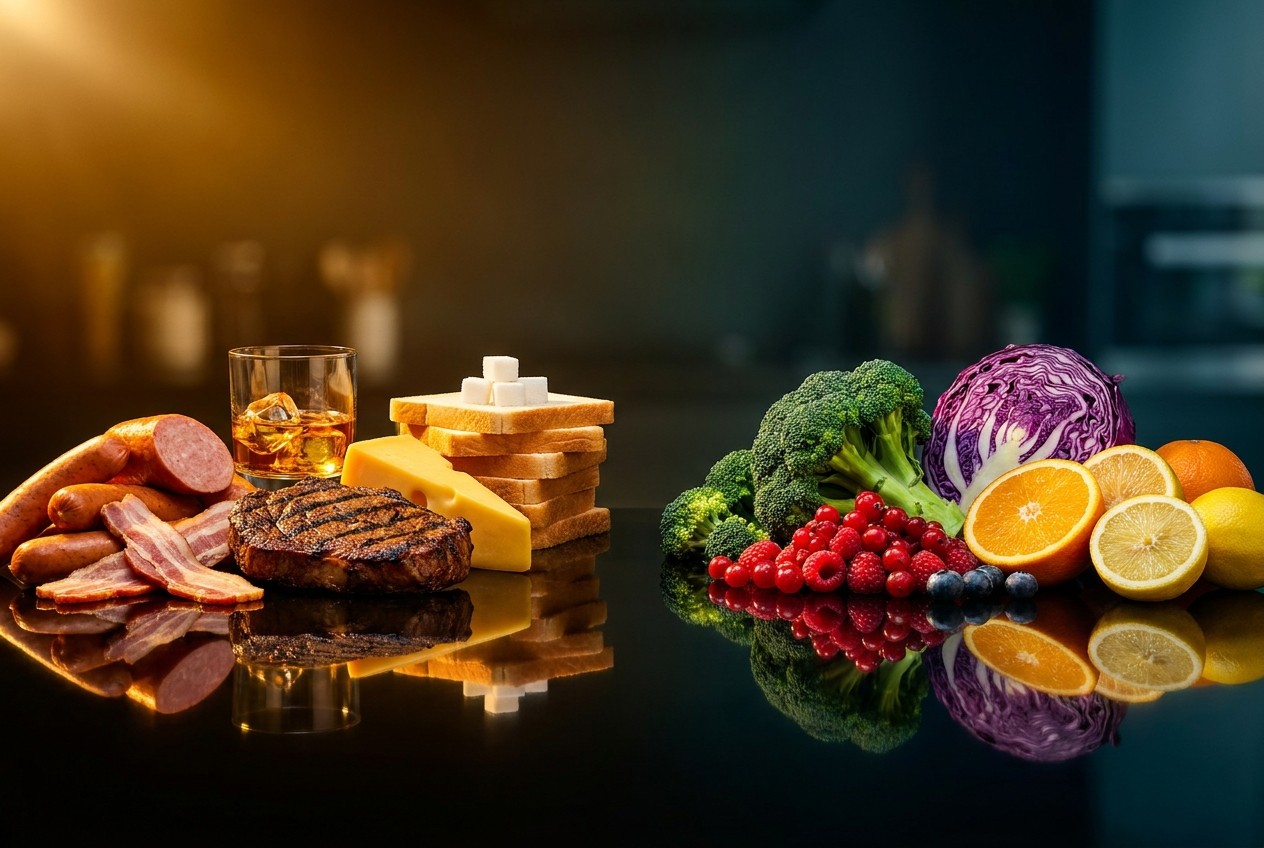
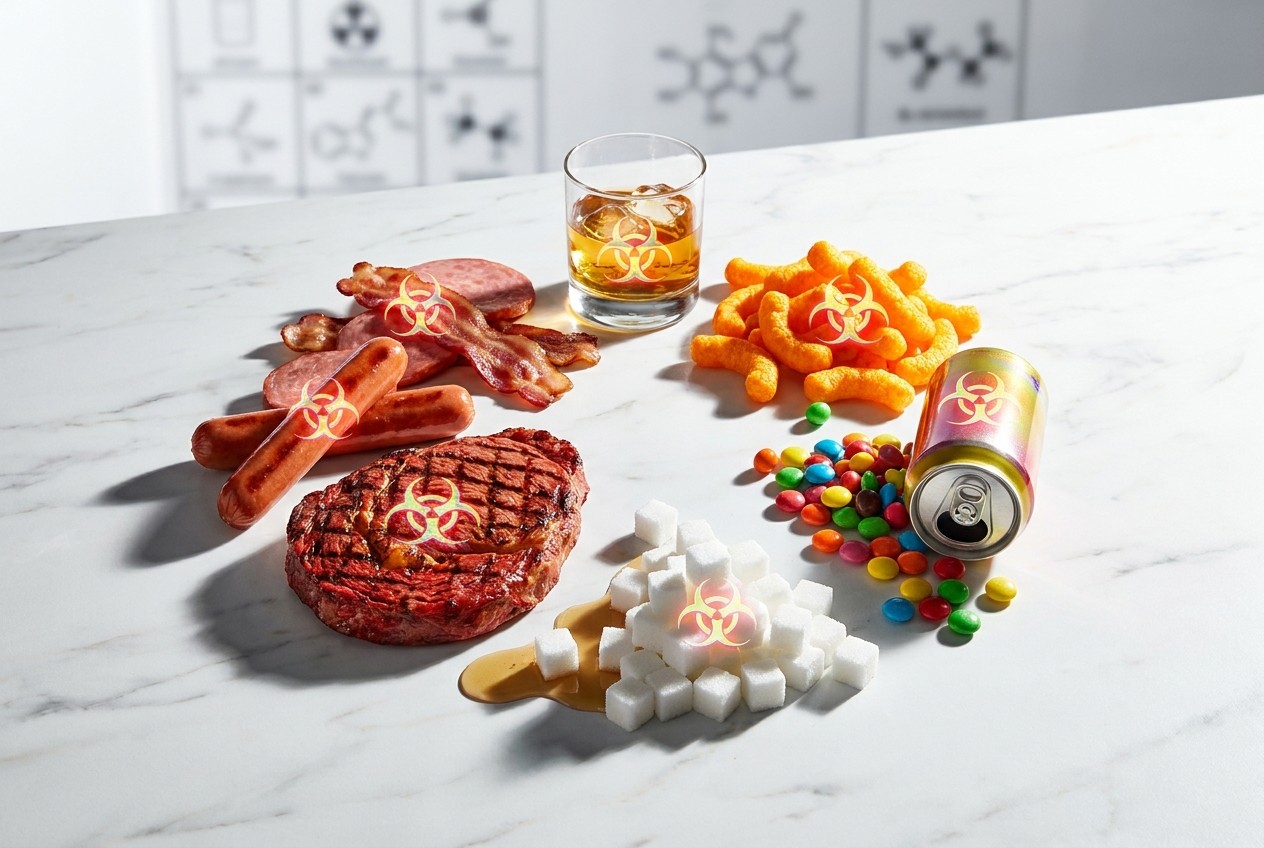
It advises going meatless when possible and otherwise limiting cooked red meat to no more than three portions per week, each measuring between four and six ounces. Additionally, it recommends limiting processed meats such as cold cuts, bacon, hot dogs, chorizo, ham, pastrami, pepperoni, and salami.
It also recommends limiting energy-dense foods high in added sugar and fat, including French fries, potato chips, pastries, donuts, candy, and sugar-sweetened beverages.
Choosing whole grain breads, pasta, and cereals such as oats, barley, and brown rice is ideal instead of refined flour products like white bread, pasta, low-fiber cereals, and white rice. Lastly, it recommends aiming for a healthy weight and avoiding inactivity, with a minimum of 30 minutes of exercise five days per week with physician approval.
Conclusion
The report stated that no single approach fits all individuals and that daily habits matter most, especially in relation to cancer prevention. Additionally, individuals should set realistic and achievable goals and consult a physician before starting an exercise program.
The report's guidance aligns with a broader body of research that has examined dietary links to cancer risk. Higher consumption of ultra-processed foods is linked to increased risk of chronic diseases such as cancer, cardiovascular disease, and diabetes, according to an expansive 2026 analysis of health outcomes in a global population [7].
A separate study tied higher consumption of ultra-processed foods directly to increased risk for obesity, heart disease, cancer, cognitive decline, and premature death, while a separate analysis of 8 million adults found that just 100 grams daily of these foods raised cardiovascular risk by 6% and digestive disorders by 19.5%[8].
References
- More Reasons to Avoid Ultraprocessed Foods - Mercola.com, February 22, 2023
- Ultra-processed food consumption and cancer risk. https://pubmed.ncbi.nlm.nih.gov/37087831/
- Association between ultra-processed foods and risk of cancer: a .... https://pmc.ncbi.nlm.nih.gov/articles/PMC10285062/
- Trends-Journal-2024-12-17. by Unknown
- The Link Between Processed Foods and Cancer | Brown University Health. https://www.brownhealth.org/be-well/link-between-processed-foods-and-cancer
- Ultra-processed and fast foods. https://www.cancercouncil.com.au/cancer-prevention/diet-exercise/nutrition-and-diet/ultra-processed-and-fast-foods/
- Ultra-Processed Foods May Be Even Riskier Than You Think. https://www.everydayhealth.com/diet-nutrition/ultra-processed-foods-raise-risk-of-chronic-illness-and-early-death/
- Study Ties Each Extra 100 Grams of Ultra-Processed Food to Greater Disease Risk. https://www.naturalnews.com/2026-09-29-excess-upf-consumption-tied-greater-disease-risk.html
Explainer Infographic










Please contact us for more information.