


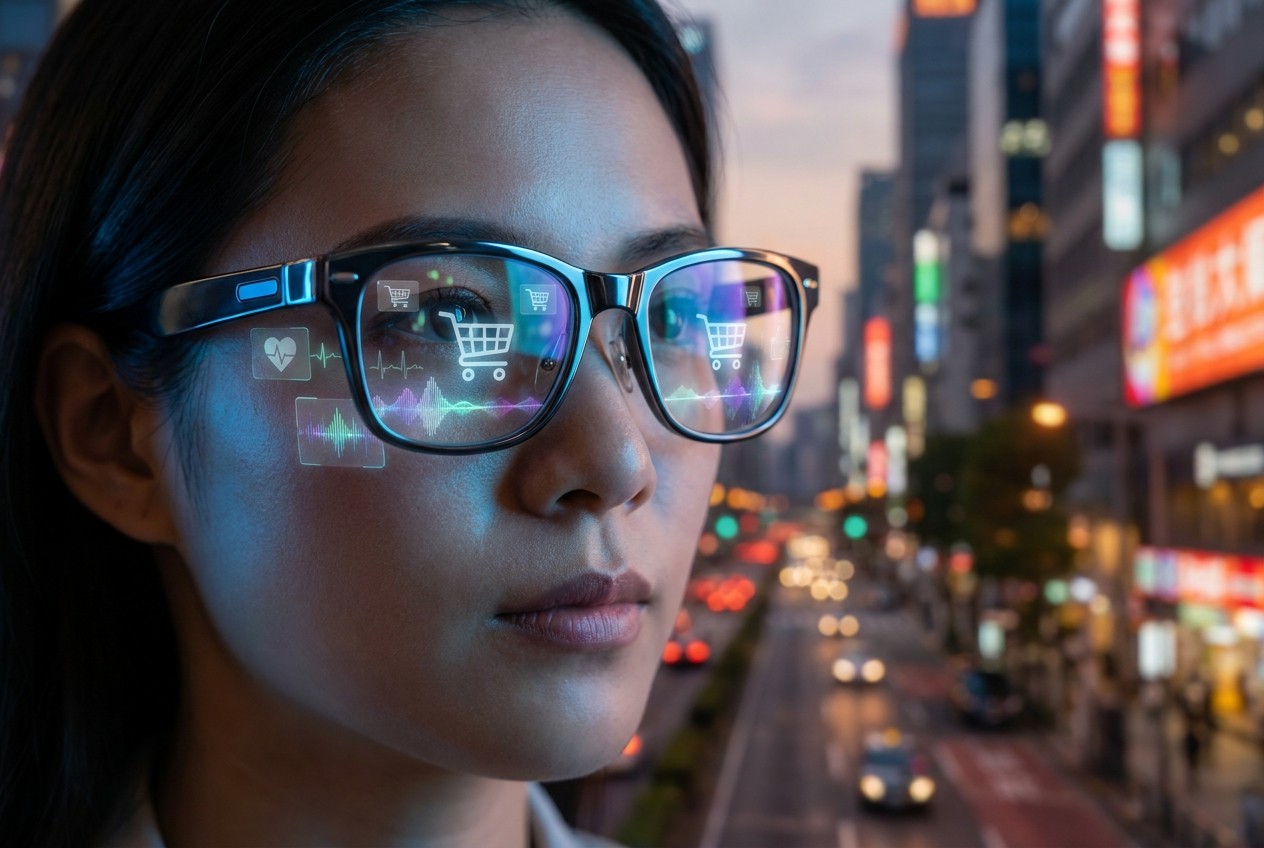
Alibaba is stepping up its push into AI-powered consumer devices with the launch of its Qwen Glasses N1 series, entering a fast-growing smart eyewear market dominated by Meta as major technology companies race to bring artificial intelligence into everyday accessories.
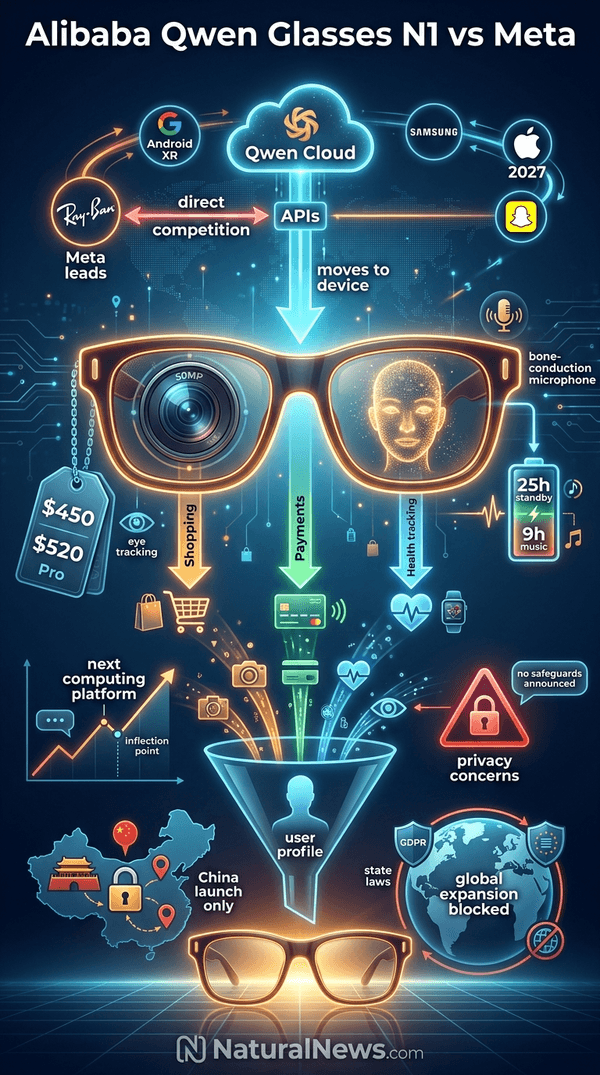
The Qwen Glasses N1 series starts at $450 before discounts, putting it in the same price range as Meta's Ray-Ban smart glasses, while a Pro version expected to cost around $520 adds eye-tracking capabilities, according to the announcement [1][2].
The launch places Alibaba's hardware ambitions directly against Meta's established presence in the AI eyewear category. Meta currently leads the space, with Google, Samsung, Apple, and Snap preparing their own AI-powered eyewear, the report states [1][2]. The glasses support shopping, payments, and health tracking, with battery life of up to 25 hours on standby or nine hours of music playback, according to Alibaba [1][2].
The launch represents an extension of Alibaba's Qwen artificial intelligence strategy into consumer hardware, according to the report [3].
Product Specifications and Features
According to Alibaba, the Qwen Glasses N1 feature 50-megapixel cameras, bone-conduction microphones, and AI assistant integration with the Qwen model [1][2]. The glasses support shopping, payments, and health tracking, with battery life of up to 25 hours on standby or nine hours of music playback, the company said [1][2]. The Pro version adds eye-tracking capabilities at an expected price of around $520, according to the announcement [1][2].
The product was introduced in China, and no timeline was announced for other markets, according to the report [1][2].
Alibaba showcased the Qwen Glasses N1 series with 50-megapixel cameras and upgraded AI features designed to take on Meta's Ray-Ban glasses, according to the company's presentation [4]. The Qwen model integration allows the glasses to process information and respond to user commands through an AI assistant interface, the company said [1][2].
Competitive Landscape
Loop Capital analyst Rob Sanderson and analyst Anthony Chukumba spoke with wearable-tech executive Jon Li about the smart glasses industry, and Li shared the view that Meta dominates the smart glasses industry with its Ray-Ban Meta smart glasses, while Google is building an ecosystem around Android XR and Snap holds an advantage in another segment, according to the note [5].
Apple plans to release its first smart glasses in late 2027, according to Bloomberg's Mark Gurman [1][2]. Gurman said Apple's glasses will feature oval-shaped cameras, unique colors, and multiple frame styles [1][2]. Gurman also stated that Apple believes the glasses could evolve into a health device and eventually incorporate augmented reality technologies capable of improving how people see [1][2].
Loop Capital analyst Rob Sanderson told clients that smart glasses are becoming the next major computing platform [1][2]. Sanderson said an inflection point has already arrived, according to the note [1][2]. The report described Big Tech's next AI battleground as the user's face [1][2]. Sanderson and Chukumba spoke with wearable-tech executive Jon Li about the smart glasses industry and where it is headed into the new year [5].
Privacy and Regulatory Considerations
Camera-equipped smart glasses have drawn privacy concerns in the past, according to previous reporting. The ZeroHedge report did not address whether Alibaba's Qwen Glasses N1 includes specific privacy safeguards. No regulatory response to the launch was announced in the report. The report focused on product specifications, pricing, and market competition.
Privacy advocates have raised questions about the implications of camera-equipped eyewear, though Alibaba's announcement did not detail specific privacy features for the Qwen Glasses N1. The product supports shopping, payments, and health tracking, which involves the collection and processing of user data, according to the company's description [1][2]. Questions about data handling and storage were not addressed in the launch announcement.
The absence of announced privacy safeguards comes as governments worldwide have increased scrutiny of technology products that collect personal information. The product was introduced in China, and no timeline was announced for other markets [1][2].
References
- Big Tech's Next AI Battleground Is Your Face: Alibaba Takes Aim At Meta .... https://www.zerohedge.com/technology/big-techs-next-ai-battleground-your-face-alibaba-takes-aim-meta-ray-ban-new-smart
- Big Tech's Next AI Battleground Is Your Face: Alibaba Takes Aim At Meta Ray-Ban With New Smart Glasses. https://www.zerohedge.com/technology/big-techs-next-ai-battleground-your-face-alibaba-takes-aim-meta-ray-ban-new-smart
- Alibaba unveils new smart glasses as its AI push moves onto your face. https://cryptobriefing.com/alibaba-unveils-new-smart-glasses-ai/
- Alibaba launches new Qwen smart glasses with 50MP cameras, AI ... - Mint. https://www.livemint.com/ai/alibaba-launches-new-qwen-smart-glasses-with-50mp-cameras-ai-features-to-rival-metas-ray-ban-check-price-11791905809823.html
- Big Tech's Next AI Battleground Is Your Face, Loop Capital Says. https://www.zerohedge.com/technology/big-techs-next-ai-battleground-your-face-loop-capital-says
Explainer Infographic










Please contact us for more information.