


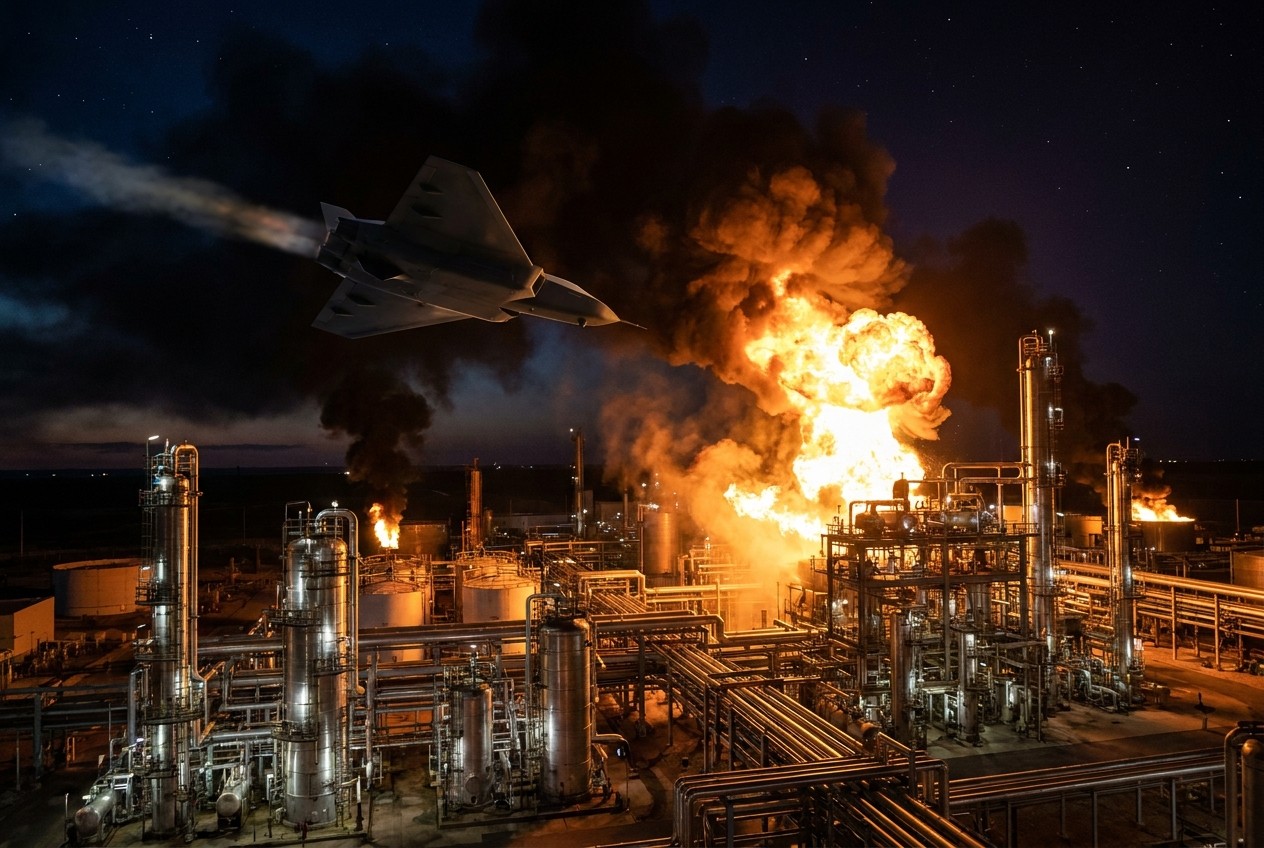
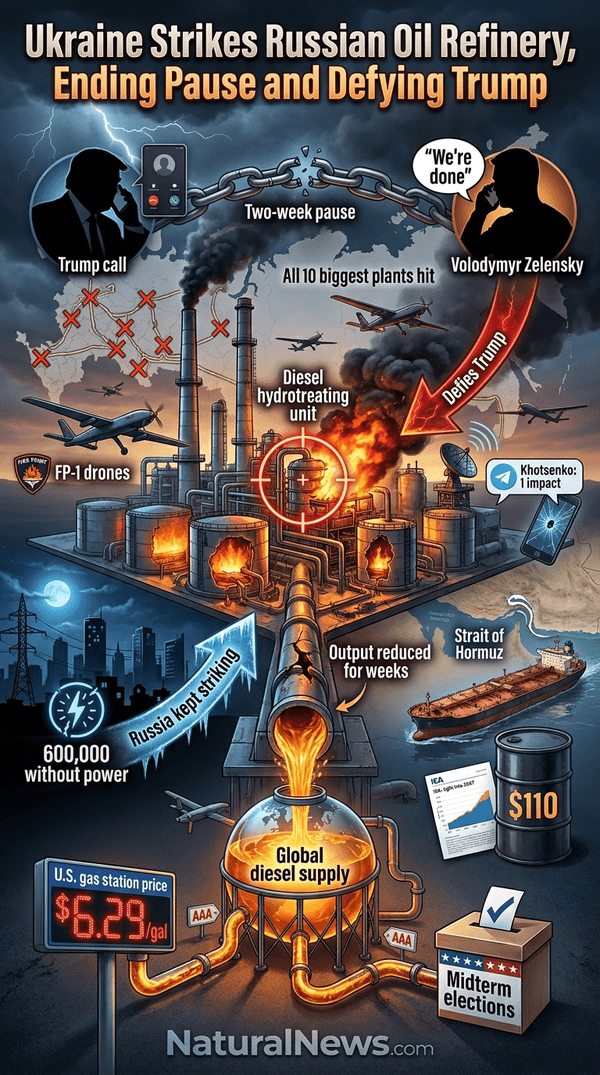
Ukraine struck an oil refinery in Russia's Samara region early on Friday, ending a two-week pause in such attacks, according to the Wall Street Journal [1]. The strike on the Novokuibyshevsk Oil Refinery was carried out by Ukrainian FP-1 long-range drones, according to Ukrainian defense manufacturer Fire Point, which said "numerous hits were recorded on the plant's territory" and that one of the units hit was a diesel fuel hydrotreating unit [2].
The attack came despite heavy pressure from the Trump administration to halt strikes on Russian energy infrastructure, the Journal reported [1]. The pause had been in place for two weeks, according to the same report [1]. Russian officials accused Kyiv of ignoring U.S. President Donald Trump's request to stop the attacks [2].
The strike marks the first attack on a Russian oil refinery in two weeks, following Russian attacks that killed 27 civilians on Thursday, according to the Journal [3].
Background on the Pause and U.S. Pressure
The pause in strikes on Russian oil refineries followed discussions between U.S. and Ukrainian officials, according to reports. In September 2026, Trump held a phone call with Ukrainian President Volodymyr Zelensky and pressed him to halt long-range drone strikes on Russian refineries, according to Financial Times and Bloomberg reports cited by ZeroHedge [4].
Trump had earlier warned Ukraine to "damn well stop" attacking Russia's oil refineries, according to the BBC [5]. Zelensky later said he was "done" with the energy truce, telling the Financial Times that "the block (on attacking refineries) is out. We're done," according to Antiwar.com [6].
Russian officials said the pause was observed by Ukraine until the latest strike, according to statements. However, Russian attacks on Ukrainian energy infrastructure continued during the period, with Russian strikes leaving 600,000 people without power in Ukraine, according to Zelensky [7].
Details of the Strike and Damage
The Novokuibyshevsk refinery is one of Russia's larger oil processing facilities, according to energy analysts cited in reports. Ukrainian drones hit the Rosneft refinery there, ending a two-week pause in refinery strikes, the Journal reported [8].
Ukrainian officials said the strike caused significant damage to refining units. Fire Point stated that "numerous hits were recorded on the plant's territory" and specifically identified a diesel fuel hydrotreating unit as one of the targets [2]. Russian defense officials said air defenses engaged the attack but did not prevent damage, according to statements. Regional Governor Vitaly Khotsenko announced on Telegram that several drones were shot down by air defenses, but that one made impact, according to ZeroHedge [9].
No immediate reports of casualties were provided by either side. The strike follows a pattern of Ukrainian attacks on Russian refineries, with Ukraine having hit all of Russia's 10 biggest plants based on capacity figures from S&P Global Energy, according to the Journal [10].
Reactions from Ukraine, Russia, and the U.S.
A Ukrainian official said, "We will continue to target Russian energy infrastructure until the occupation ends," according to the report. A Russian defense ministry statement said, "The Kyiv regime carried out a terrorist attack on civilian energy infrastructure," according to officials. The statement did not provide evidence to support the characterization.
Trump said he was "disappointed" by the strike, according to a statement from his office. A U.S. official said the administration was reviewing the situation and had no further comment. Ukrainian officials rejected the characterization of the target as civilian, stating that the refinery supports Russian military operations, according to the report.
The strike occurred as the U.S. has been pressuring Ukraine to halt attacks on Russian oil infrastructure, with Washington reportedly using intelligence-sharing as leverage, according to Antiwar.com [11]. Zelensky said U.S. intelligence on Russian ballistic missile launches was restored after a three-day interruption, but a dispute remains over whether that support is being used to restrain Ukrainian attacks on Russian oil infrastructure [11].
Energy Market and Strategic Implications
Oil prices showed minor movement following the strike, according to market data cited in reports. Brent crude remained above $110 per barrel, with more attacks on shipping around the Strait of Hormuz keeping oil on the rise, according to ZeroHedge [12]. Energy analysts said the refinery's output capacity could be reduced for weeks.
The strike may affect global fuel supplies, according to the report. Global diesel supply is expected to stay tight well into next year, with "constrained middle distillate supplies" expected "to persist well into 2027," according to an International Energy Agency report published Oct. 14 [13]. Diesel inventories have been heavily depleted due to the wars in Iran and Ukraine, the IEA report stated [13].
Russian officials said they would repair the facility as quickly as possible. No international sanctions or new measures were announced immediately. The U.S. national average price of diesel was $6.29 per gallon on Oct. 14, according to AAA data [14]. High fuel prices could be a key issue in the midterm elections, with the GOP's chances of holding onto either chamber of Congress having slipped as gas and diesel prices have risen, analysts say [14].
What Comes Next
Ukrainian officials said further strikes on Russian energy targets remain possible. Russian officials said they would respond to the attack, according to statements. The Kremlin has communicated to Trump envoy Steve Witkoff that Russia is "in principle, ready to resume" trilateral negotiations involving the U.S. and Ukraine, toward finding a permanent settlement to the war, according to ZeroHedge [15].
U.S. officials said they were monitoring the situation but did not confirm any new policy. The pause in attacks has now ended, with no new agreement announced, according to the Journal [1]. The strike underscores the challenges facing the Trump administration as it seeks to balance pressure on Ukraine with efforts to stabilize global energy markets ahead of the November midterms.
References
- Ukraine Hits Russian Oil Refinery, Ending Pause and .... https://www.wsj.com/world/europe/ukraine-hits-russian-oil-refinery-ending-a-pause-and-defying-trump-be68eeff
- Ukrainian Drone Strike Sets Major Russian Oil Refinery Ablaze. https://theepochtimes.com/world/ukrainian-drone-strike-sets-major-russian-oil-refinery-ablaze-6111121
- Ukraine - Latest News and Updates - WSJ.com. https://www.wsj.com/topics/place/ukraine
- Trump Pushes Zelensky to Halt Russia Refinery Attacks Amid High Diesel Prices - NaturalNews.com, September 22, 2026.
- LIVETrump says Ukraine and Russia agree 'energy ceasefire' but both sides yet to comment. https://www.bbc.com/news/live/cqe8ry0xxp85t
- Ukraine Hits Russian Oil Refinery as Zelensky Says He’s ‘Done’ With Trump’s Energy Truce. https://news.antiwar.com/2026/10/15/ukraine-hits-russian-oil-refinery-as-zelensky-says-hes-done-with-trumps-energy-truce/
- Russian strikes leave 600,000 without power in Ukraine, Zelensky says. https://bbc.com/news/articles/cm2d6e62p49do
- 1000 km From the Front: Ukraine Ends Its Refinery Pause. youtube.com
- Russia's Crown Jewel Refinery Ablaze After Drone Strike, Data Center Also Hit In War First. https://www.zerohedge.com/geopolitical/russias-crown-jewel-refinery-ablaze-after-drone-strike-data-center-also-hit-war-first
- See How Ukraine Is Taking Out Russia’s Refineries - WSJ. https://www.wsj.com/world/how-ukraine-is-taking-out-russias-refineries-5e6ec9ff
- Zelensky Says Critical U.S. Intelligence Is Flowing Again — But One Major Dispute Remains. https://100percentfedup.com/zelensky-says-critical-u-s-intelligence-is-flowing/
- Futures Rise As SpaceX Blowout Revives AI Trade; Brent Back Above $110. https://www.zerohedge.com/markets/futures-rise-spacex-blowout-revives-ai-trade-brent-back-above-110
- No Diesel Relief Until 2027, Consumer Prices Spike, Says IEA Report. https://thenewamerican.com/us/tech/energy/no-diesel-relief-until-2027-as-consumer-prices-spike-iea-report/
- High Gas Prices Could Be the Key Issue That Swings the Senate. https://theepochtimes.com/us/high-gas-prices-could-be-the-key-issue-that-swings-the-senate-6101954
- Oil Slides As Russia Willing To Resume Trilateral Talks With Ukraine, After 'Productive' Witkoff Visit. https://www.zerohedge.com/geopolitical/russia-willing-resume-trilateral-talks-ukraine-after-productive-witkoff-visit
Explainer Infographic








Please contact us for more information.