


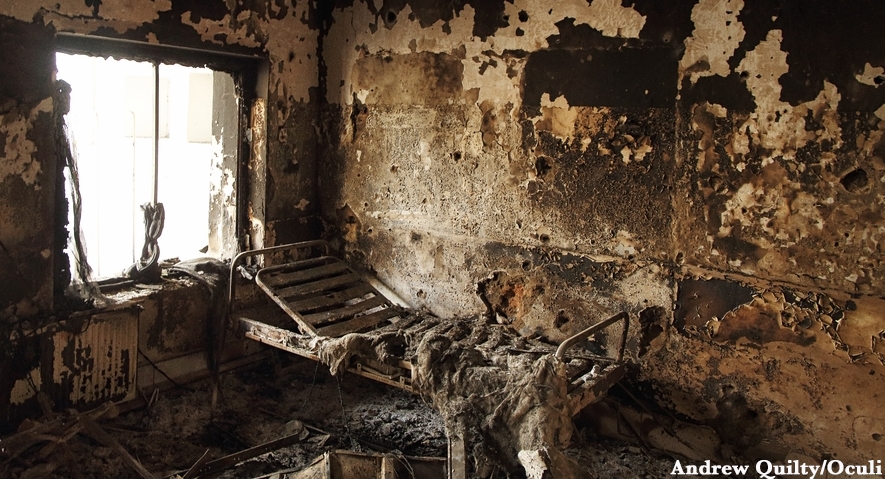
- Israeli airstrike on Nasser Hospital’s surgical wing kills six, including surgeon Dr. Rizk Abu Shaira and a 13-year-old boy.
- Israeli military claims strike targeted Hamas commander Muhammad Abu Ismail and other militants, though commander not among dead.
- Hospital director and volunteer surgeons report no advance warning before the midnight attack.
- Attack marks seventh time Nasser Hospital has been struck during the conflict, following a 2025 double-tap strike that killed 22.
- More than 1,620 Palestinians killed since U.S.-backed ceasefire began in October 2025.
A protected status violated
An Israeli airstrike struck the surgical wing of Nasser Hospital in Khan Younis, Gaza, shortly after midnight Thursday, killing six people including a surgeon and a 13-year-old boy and wounding at least 28 others. The attack, which occurred despite a U.S.-backed ceasefire in place since October 2025, has drawn international scrutiny as it represents the seventh time the medical complex has been targeted during the conflict. The Israeli military said it struck a Hamas commander and other militants, though the named commander was not among the dead.
The attack: Midnight strike on a functioning hospital
The strike hit the al-Yasin surgery building at Nasser Hospital, one of Gaza’s few remaining fully functional medical facilities. According to hospital director Dr. Ahmed al-Fara, two missiles were fired, with one failing to detonate. Surgeons on the fourth floor described the building shaking violently, filling with smoke, and the recovery area being reduced to rubble.
Dr. Goher Rahbour, a volunteer surgeon from the United Kingdom, had been operating alongside Dr. Abu Shaira hours before the strike. The Palestinian surgeon had remained at the hospital throughout the conflict and was featured in the 2026 documentary “American Doctor” about medical care in Gaza.
A pattern of targeting medical facilities
Nasser Hospital’s targeting is not isolated. In August 2025, a double-tap Israeli strike killed 22 Palestinians, including five journalists and several health workers. The World Health Organization has documented 1,056 attacks on healthcare in Gaza over three years, resulting in 1,010 deaths.
Of Gaza’s 37 hospitals, only two are considered fully functioning, while 17 are nonfunctioning. The destruction of healthcare infrastructure has accelerated despite the ceasefire, with more than 1,620 Palestinians killed since the truce took effect.
Conflicting narratives: Military claims versus on-the-ground accounts
There are conflicting narratives about what happened.
The Israeli position
- The military said the strike targeted Mohammed Abu Ismail, commander of Hamas’ Khan Younis Brigade, and other militants “hiding inside” the hospital.
- Claims Hamas had established a presence within the complex, using it as a headquarters for planning attacks.
- Released an audio recording of what it said was a warning given to a senior Gaza health official.
The hospital’s rebuttal
- Director al-Fara insisted no warning was received.
- Volunteer surgeons said they saw no indication of Hamas presence.
- Hamas condemned accusations as “false narratives” designed to cover up a war crime.
Broader implications: Ceasefire in name only
Israel continues to control at least 60% of Gaza despite the U.S.-backed ceasefire. Both Israel and Hamas accuse each other of violations. The humanitarian situation has deteriorated further with heavy rains flooding tens of thousands of tents housing displaced families.
The strike also raises questions about how Israel defines “precision” operations. The military said it used precision munitions and aerial surveillance to mitigate civilian harm, yet patients and medical staff died in their beds.
The unraveling of international protections
The attack on Nasser Hospital underscores how the legal protections afforded to medical facilities under the Geneva Conventions have eroded during this conflict. Hospitals lose protected status only if used for military purposes, but Israel has repeatedly made such claims without providing verifiable evidence. With international news organizations banned from Gaza by Israel, independent verification remains impossible.
The ceasefire, hailed as a diplomatic achievement, has failed to stop attacks on healthcare infrastructure or protect civilians. As winter compounds the suffering of displaced populations, the killing of a surgeon who never abandoned his post suggests that medical neutrality has become another casualty of a war that shows no signs of ending.
Sources for this article include:








Please contact us for more information.