


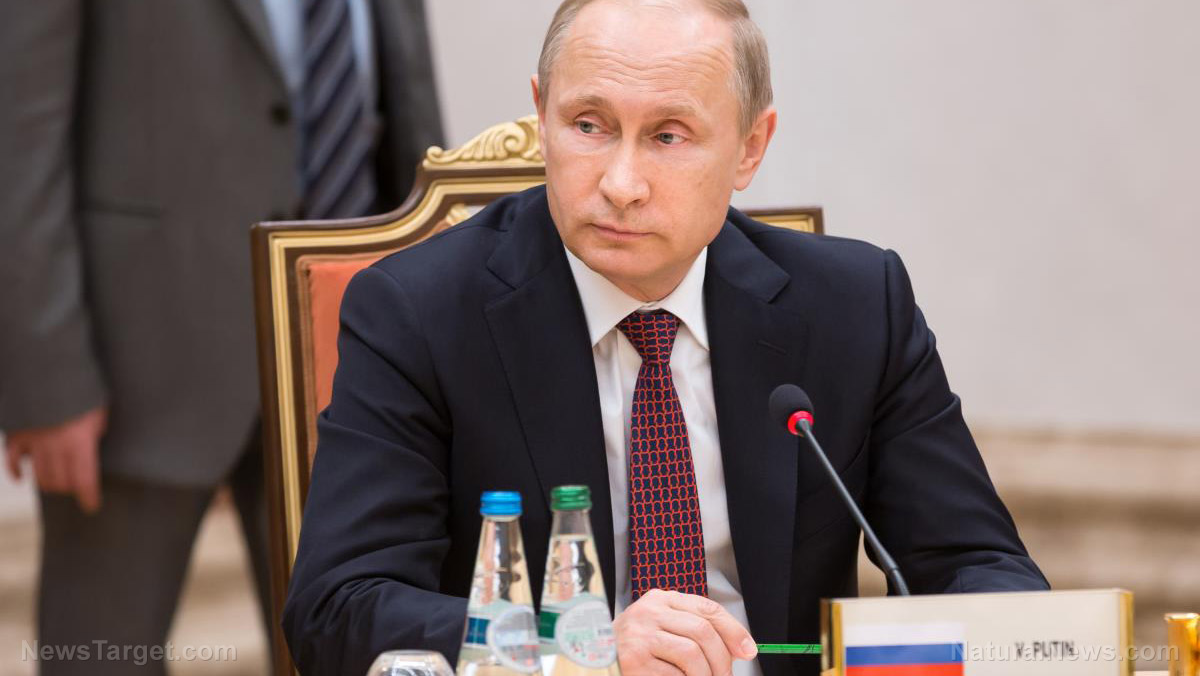
- Putin claims victory over Western sanctions and pitches Russia as a tech leader ready to partner with Asia.
- Trump, Putin and Xi will meet Thursday for a trilateral summit as Putin brands the West’s powers “former hegemons.”
- Putin says Europe is in a humiliating decline as living standards fall and the EU loses industrial capacity.
- He says the Asia-Pacific has graduated from the world’s factory to a driver of innovation.
- Putin insists sanctions can’t halt growth, while Xi says Beijing and Moscow should lead the push toward a multipolar world.
In a defiant performance at the APEC Business Summit in Shenzhen, China, on Wednesday, Russian President Vladimir Putin delivered a dramatic message to the world: the old order is crumbling, and the Asia-Pacific is the new center of gravity.
Speaking to an audience of global business leaders, the Russian leader used his platform to boast that his country has successfully weathered Western sanctions, taunt European nations for their economic struggles, and position Russia as a technological power ready to partner with rising Asian economies. The speech set the stage for what could be the most consequential diplomatic meeting of the year: a planned trilateral sit-down with Chinese President Xi Jinping and U.S. President Donald Trump on Thursday.
Russia's economic resilience and tech ambitions
Putin made clear that Russia is not merely surviving the West's economic warfare but still growing despite it. He asserted that Russia has made it through the sanctions challenge successfully, a claim he supported by explaining how the economy absorbed a steep fall in transactions conducted in U.S. dollars and euros. "While sanctions, tariffs and export restrictions may still exert a certain deterrent effect, they are incapable of halting growth – let alone crushing the economies of competitors," he said.
More provocatively, Putin boasted that Russia now leads the way in digital transformation and that its language models rank among the world's best. It read as a pointed jab at the United States and its allies, who have sought to isolate Russia technologically. Putin then turned to APEC partners with an offer, saying Russia is ready to share its technology to help them become more technologically self-reliant, in a clear pitch for deeper cooperation that bypasses Western supply chains.
A 'humiliating' decline for Europe
Perhaps Putin's most cutting remarks were reserved for Europe. He declared that "former hegemons"—a clear reference to the United States and the European Union—are now working to hold back countries that are starting to make headway instead of embracing a changing world. But he saved his sharpest critique for the eurozone, saying the bloc is experiencing a "humiliating decline" as its living standards drop.
Putin argued that the EU is "losing its industrial capacity" and falling behind in global competition. This narrative of Western decline contrasted sharply with his portrayal of the Asia-Pacific region, which he described as having graduated from being the "world's factory" to leading the way on innovation.
Putin, Xi and Trump scheduled for Thursday sit-down
All eyes are now on Thursday's planned trilateral meeting between Putin, Xi, and Trump. Putin himself predicted the talks would produce substantial benefits, though analysts are skeptical about what can be achieved. The Russian leader met with Xi on Wednesday, with the Chinese president calling for Beijing and Moscow to "lead and advance the trend towards a multipolar world." The upcoming trilateral could touch on everything from nuclear non-proliferation to, possibly, the war in Ukraine. Quantum Strategy's David Roche was blunter, calling it an "almost 100% photo op" that primarily lifts China's status.
The underlying message from Putin's summit performance, however, was unmistakable: the era of unipolar American dominance is over, and Russia intends to be a leading force in whatever comes next. For Western capitals that have poured billions into Ukraine and bet on sanctions to bring Moscow to its knees, that is a sobering verdict.
Sources for this article include:


Please contact us for more information.