


- Surviving the first month demands practical skills, adaptability and trusted local relationships to replace essential resources when supply chains fail.
- Adams discussed growing sprouts, herbs and vegetables in small spaces, as well as preserving food through drying, salting, smoking, fermenting, root cellaring and canning.
- Learning to identify local edible and medicinal plants, recognize poisonous lookalikes and prepare herbal tinctures could help households become more self-reliant.
- Adams explored barter, hard assets, discretion when managing valuables, neighborhood communication and local coordination during prolonged disruptions.
- Maintaining offline AI and accessible reference materials could help people retain useful information when electricity, internet access and conventional services became unreliable.
Stockpiling food and water might help a household get through the first days of a disaster. But what happened when a crisis lasted an entire month, supermarket shelves remained empty, electricity stayed unavailable and familiar supply chains failed to return?
In Episode 6 of "The Health Ranger's Guide to Surviving Global War, Famine, Plandemics and Grid-Down Scenarios," which aired on Nov. 19, Mike Adams examined why surviving a prolonged emergency required more than a well-stocked pantry. It demanded practical knowledge, adaptable skills and relationships that could not simply be purchased when trouble began.
Adams argued that the first week and the first month of a crisis presented very different challenges. While stored provisions could provide an initial buffer, longer disruptions forced people to think about how they would replace what they consumed. The central question shifted from how much a household had stored to what its members could produce, preserve, repair and maintain.
From stored food to food production
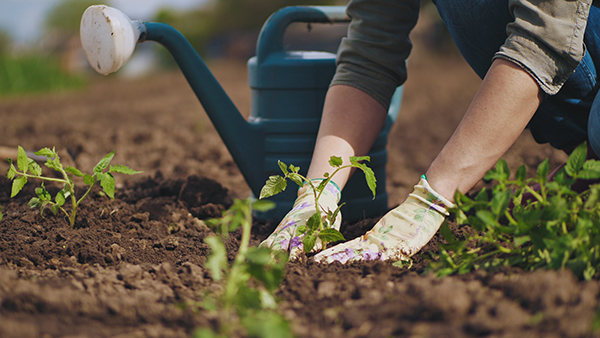
Growing food became one of the practical skills Adams emphasized. He discussed how sprouts could be ready within three or four days, while herbs and other small plants could be cultivated in containers, five-gallon buckets, balconies or even sunny indoor spaces. Lettuce, bush beans, tomatoes and chard were among the examples he mentioned.
A garden would not necessarily provide a substantial harvest within the first month, but starting one early could establish a foundation for future food production. Adams also stressed the importance of having supplies such as fertilizer available before shortages made them difficult to obtain.
Producing food, however, represented only part of the challenge. Without reliable electricity, households also needed ways to keep food from spoiling. Adams explored traditional preservation methods, including drying, salting, smoking, fermenting, root cellaring and canning. He highlighted salt-curing meat and fermenting vegetables as relatively straightforward techniques worth learning before an emergency.
The underlying lesson was that equipment alone could not preserve a household's food supply. People needed to understand the processes and practice them before circumstances made mistakes costly.
Knowledge, community and self-reliance
Adams also examined resources that could become important when conventional services were disrupted. He discussed learning to identify local edible and medicinal plants, while warning that poisonous lookalikes made foraging a skill that required careful preparation. Recognizing plants in books was not necessarily enough; people needed to understand their local environment and seasonal differences.
He further explored herbal preparations, including the making of tinctures, and the value of having reference materials available when pharmacies and other sources became difficult to access. These discussions reflected his broader emphasis on learning practical processes rather than assuming supplies would always be available.
Financial resilience and neighborhood relationships also entered the discussion. Adams considered how people might rely on barter or hard assets if confidence in conventional currency weakened and why discretion could matter when managing valuable possessions. He also stressed communication and local coordination as parts of preparing for extended disruption.
Finally, he raised the possibility of maintaining offline artificial intelligence and local knowledge systems, reducing dependence on cloud-based services when internet access became unreliable.
The episode delivered a compelling reminder: a month-long emergency could expose the limits of preparation based entirely on buying and storing things. Food, tools and equipment could provide a head start, but knowledge determined whether people could put those resources to work. When supply chains failed, the most valuable assets might have been the skills already learned, the neighbors already trusted and the practical systems already tested.
Want to know more?
Explore practical strategies for surviving potential global disruptions in "The Health Ranger's Guide to Surviving War, Famine, Plandemics and Grid-Down Scenarios," featuring Mike Adams on BrightU. Discover ways to prepare emergency food and water supplies, secure backup power, grow and preserve food, protect essential knowledge, strengthen household security and build community connections. Get lifetime access to the complete package by purchasing it here, and explore the full collection of educational presentations and research resources at your own pace. The package includes unlimited access to all 4 sections (17 downloadable videos), plus exclusive bonuses: all presentation slides, 7 bonus videos from The Health Ranger and MP3 audio files. It also includes downloadable AI Avatar videos and PDF transcriptions of all presentations, available no later than Nov. 30.
Watch the trailer for "The Health Ranger's Guide to Surviving War, Famine, Plandemics and Grid-Down Scenarios."
This video is from the BrightU channel on Brighteon.com.
Sources include:







Please contact us for more information.