


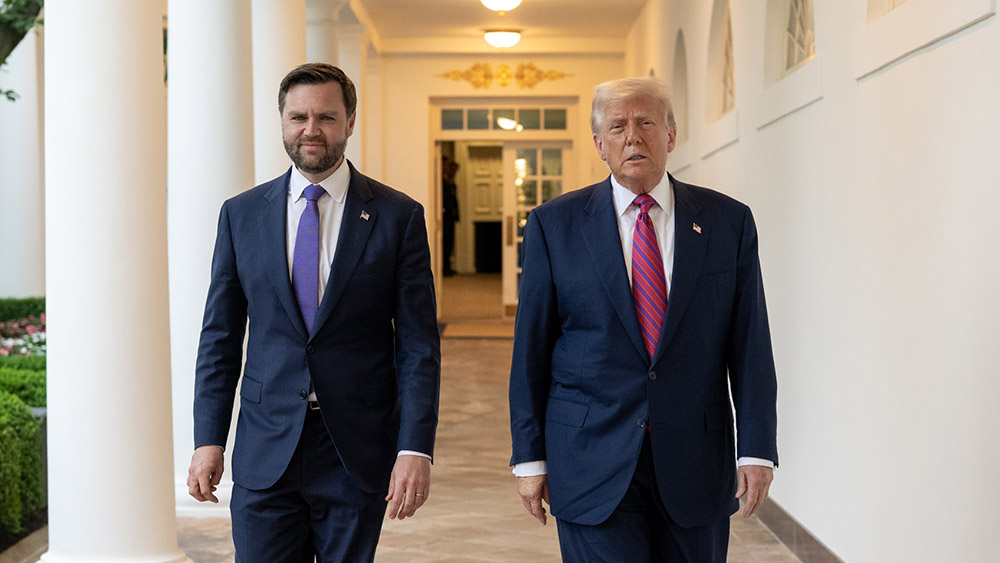
U.S. President Donald Trump has grown increasingly frustrated with Vice President J.D. Vance over the latter's public criticism of the Iran war, according to a New York Times (NYT) report published Wednesday, Nov. 18, and cited by multiple outlets.
The report, which relied on anonymous sources, stated that Trump has complained to aides and allies that Vance should have taken a different approach and should have said that the president made the correct decision in launching the war against Iran [1][2]. The account marks a shift from Trump's earlier public posture.
According to the report, the president initially appeared notably unfazed by Vance's post-election analysis, saying of the vice president's assessment, "I think it's largely true" [3]. The frustration reportedly built over the two weeks that followed as the framing of Vance's comments drew wider attention [4].
Vance has publicly acknowledged the war's political costs, including higher gasoline and energy prices, while insisting that he and the president remain aligned. Neither the White House nor the vice president's office has confirmed the NYT report, and the sourcing consists of unnamed people described as familiar with the president's comments.
Vance Denies Rift, Acknowledges Political Costs
Vance addressed the question directly in his first television interview since the midterms, telling Fox News' Laura Ingraham that there is "no daylight" between him and the president. He later directed criticism at what he called neoconservatives pressing for a prolonged conflict, stating that the administration had promised not to pursue "forever wars" [5].
In the Ingraham interview, he said Trump is determined to resolve the conflict and will not let it become a "forever war." Vance continued: "The people who want it to become a forever war, they can attack me all they want" [6].
Report Details Trump's Prior Comments, Rubio Praise
Trump initially said he agreed with Vance's assessment of the war's negative impact on the midterms, but he indicated publicly earlier in November that he wanted one addition. Speaking to reporters in November, the president made clear what he would have preferred to hear from his vice president.
The Times report also stated that Trump has praised Secretary of State Marco Rubio, commenting that he could be a good presidential candidate for 2028 [7]. The contrast in emphasis has fed speculation about the administration's internal politics.
Trump said Wednesday that the memorandum of understanding with Iran that Vance helped negotiate in June was a "waste of time" after it fell apart roughly a month later, though he said the effort was not a mistake because the United States learned a great deal about the country during that period [8].
Other Reactions and Context
Reaction from outside the administration was mixed. Commentary surrounding the report noted that its accuracy remains an open question. The episode follows a midterm election in which Democrats won control of both chambers, a result that has prompted wide internal debate over the party's direction [9][10].
The broader political environment has been unsettled since the vote. Florida Gov. Ron DeSantis (R) described the outcome as close to "an extinction-level event for Republicans in many parts of the country" and said the party faced a long rebuilding effort [10]. Reporting on the administration's internal deliberations has also touched on whether other senior officials might depart, claims the White House has denied [11].
Conclusion
The report of Trump's frustration with Vance follows public statements from both officials that have highlighted differences in emphasis on the Iran war, with the vice president stressing its political and economic costs and the president and secretary of state stressing the decision to fight. The Times account, attributed to anonymous sources, describes a private shift in the president's view even as he has publicly defended his vice president's assessment in part [3][1].
Neither the White House nor Vance's office has confirmed the report. With Vance weighing a future presidential run and Trump praising Rubio, the situation remains fluid, and the sourcing behind the account has not been independently verified [7].
References
- Trump Said To Have Grown Angrier With Vance Since Midterms Over. https://www.zerohedge.com/political/trump-said-have-grown-angrier-vance-midterms-over-war-criticism-report
- Trump-Vance tensions grow over Iran war as Marco Rubio emerges as 2028 favorite. https://www.jpost.com/american-politics/article-915361
- Trump Grows Frustrated with Vance. https://politicalwire.com/2026/11/18/trump-grows-frustrated-with-vance/
- Donald Trump Frustrated With JD Vance Over Iran War Remarks Post Republicans' Midterm Election Results Rout: Report. https://www.ndtv.com/world-news/donald-trump-frustrated-with-jd-vance-over-iran-war-remarks-post-republicans-midterm-election-results-rout-report-12347737
- Vance to Neocons: Iran Will Not Be “Forever War.” https://thenewamerican.com/features/vance-to-neocons-iran-will-not-be-forever-war/
- Vance Says Trump Will Make Sure Iran Is Not a ‘Forever War’. https://theepochtimes.com/world/vance-says-trump-will-make-sure-iran-is-not-a-forever-war-6125859
- Trump Frustrated With Vance After Midterm Post Blaming Iran War. https://www.timesnownews.com/world/us/us-news/trump-frustrated-with-vance-after-midterm-post-blaming-iran-war-leaning-towards-rubio-for-2028-article-156533560
- Trump claims Vance-led memorandum of understanding with Iran was 'waste of time'. https://justthenews.com/politics-policy/all-things-trump/trump-claims-vance-led-memorandum-understanding-iran-was-waste?utm_source=justthenews.com&utm_medium=feed&utm_campaign=external-news-aggregators
- Congress Returns for First Session After Democrats’ Midterm Victory. https://theepochtimes.com/us/congress-returns-for-first-session-after-democrats-midterm-victory-6122257
- Republicans Face Tough Road Ahead After Major Midterm Defeats. https://theepochtimes.com/us/republicans-face-tough-road-ahead-after-major-midterm-defeats-6118088
- White House denies Hegseth and Rubio to leave jobs after Republican election losses. https://bbc.com/news/articles/cqg7xxg4jdv5o







Please contact us for more information.