


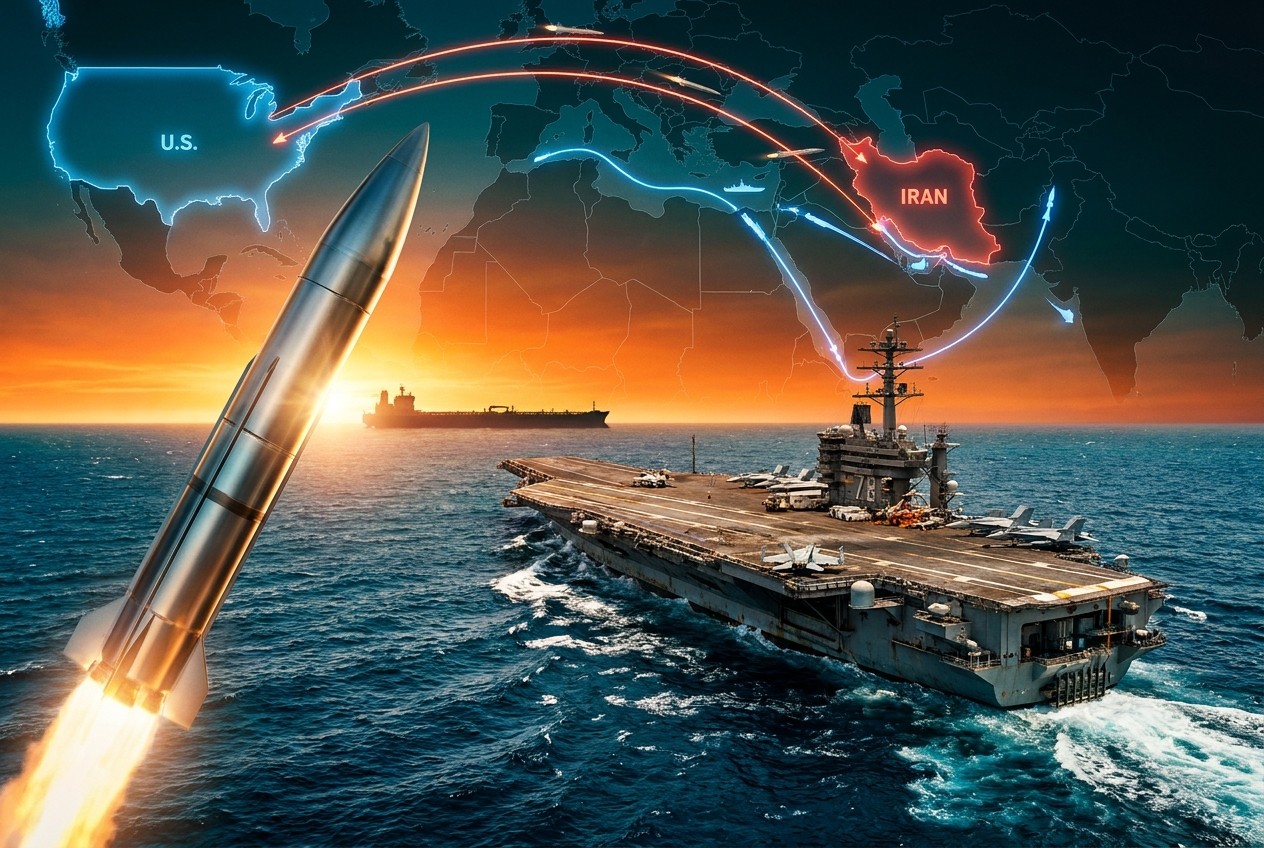
U.S. President Donald Trump has not made a decision but is considering ordering another round of mass strikes on Iran, one official said, asking not to be identified discussing sensitive matters, according to a report by Bloomberg [1].
According to the report, Trump has been threatening another phase of high-intensity war on Iran for weeks, but came under pressure after the U.S. midterm elections to opt for a diplomatic resolution [2]. The chances of the U.S. launching another round of mass strikes against Iran appear to have grown in recent days, according to Western officials, as the warring sides escalate their skirmishes [1].
The report stated that with peace talks stalled and neither side willing to concede on key points, tensions are rising. The conflict contributed heavily to his Republican Party's loss of Congress, in part due to the inability to find an off ramp, the report added. No formal ceasefire or peace deal is in place, officials said.
Recent Military Exchanges and Regional Fronts
Over the past week, Iran has struck U.S. military facilities in Bahrain and Kuwait several times and stepped up strikes on ships going through the Strait of Hormuz, according to officials. The U.S. – which has three aircraft carrier strike groups in the region – hit the Iranian island of Qeshm on Tuesday, Nov. 17, according to the report.
Saudi Arabia is facing daily drone and missile attacks from the Iran-backed Houthis in Yemen in what's effectively a second front in the conflict. On Thursday, Nov. 19, the skyscraper housing the headquarters of the kingdom's wealth fund was damaged, according to an eyewitness, and Saudi authorities announced several other assaults over the past day.
The exchanges have raised questions about whether the Middle East could erupt into a new round of intense fighting. According to a report by The War Zone, Kuwait and Bahrain said they both intercepted strikes on Wednesday, Nov. 18, after the latest U.S. attack on Iran's Qeshm Island. The report stated that the Islamic Republic is stepping up attacks on Kuwait and Bahrain, two nations that host American bases.
Intelligence, Israeli Pressure and U.S. Options
The New York Times (NYT) reported on Thursday that Trump was taking into account new intelligence about Iran rebuilding its missile and drone arsenals and advancing its chemical and biological weapons programs, according to the Bloomberg report. Israeli Prime Minister Benjamin Netanyahu is pressing the U.S. to agree to a joint campaign of airstrikes lasting four to seven days, the NYT reported, according to the report.
Netanyahu's position remains that more military action is needed unless Iran capitulates and ends its nuclear program, according to a person close to the prime minister, who asked not to be named discussing private talks with the United States. The person said an escalation in the conflict could also serve Netanyahu's domestic agenda, as he's trying to head off efforts by his election challenger, Gadi Eisenkot, to form a new government.
The head of the Israeli spy agency Mossad, Roman Gofman, lobbied for the resumption of the U.S.-Israeli bombing campaign against Iran during his visit to Washington last week, Reuters reported on Wednesday. The report, which cited two unnamed sources briefed on the visit, said that Gofman met with senior U.S. officials, including Central Intelligence Agency Director John Ratcliffe.
Meanwhile, Western officials said none of Trump's options are good. Any attack on Iran would provoke counterstrikes on U.S. Arab allies, while walking away without a formal ceasefire or peace deal would likely leave Iran in de facto control of the Strait of Hormuz, with ships under constant threat of Iranian missile and drone attacks.
Diplomacy, Economic Impact and Mediation
European and Gulf Arab governments continue to lobby the U.S. against a round of strikes like those during the first phase of the war between late February and early April, one official said. Back then, Iran's retaliation against states such as the United Arab Emirates, Saudi Arabia, Qatar and Jordan caused chaos. Oil and natural gas prices surged as it hit ships around the strait.
European gas prices climbed around 3% in early trading on Thursday on the developments in the Middle East. Brent crude rose slightly to $92.60 a barrel. It's down from about $117 just before the midterms, but still up over 50% this year, mainly because of the war, according to market data.
More oil from Arab states is flowing through the strait, but Iran's strikes – with its forces hitting roughly one vessel a day on average – are keeping prices, as well as freight and insurance costs, elevated. The U.S. Navy is stretched enforcing the blockade and escorting commercial ships through the waterway.
Qatar is the main mediator between the sides and continuously talking to them to try to bridge their differences. Qatari officials met Iran's foreign minister, Abbas Araghchi, in Oman this week, without any sign of a breakthrough, according to officials.
Iran is insisting the U.S. ends the naval blockade before there can be peace talks, as well as lift some sanctions and unfreeze assets belonging to Tehran. Meanwhile, Washington wants Iran to agree to make concessions regarding its nuclear program.
Outlook
No decision has been announced, but officials said the chances of another round of mass strikes have grown as Tehran and Washington prepare for the next phase of fighting. U.S. intelligence assessments place Iran's ballistic missile arsenal at between 1,500 and 2,500 missiles, according to a report by Middle East Eye. The assessment comes as Trump said it would be a "defeat" if the Islamic Republic is still in power when he leaves office, the report stated.
Diplomatic efforts continue, but no breakthrough has been reported. According to the Bloomberg report, Trump has stated he intends to hold off on another major round of strikes against Iran until the new year, even as Netanyahu urges Washington to act.
References
- Risk of US Strikes on Iran Grows as Sides Escalate Skirmishes. https://www.bloomberg.com/news/articles/2026-11-19/risk-of-us-strikes-on-iran-grows-as-sides-escalate-skirmishes
- Trump considering another round of mass strikes on Iran as tensions escalate: Report. https://www.hindustantimes.com/world-news/101795087599276.html
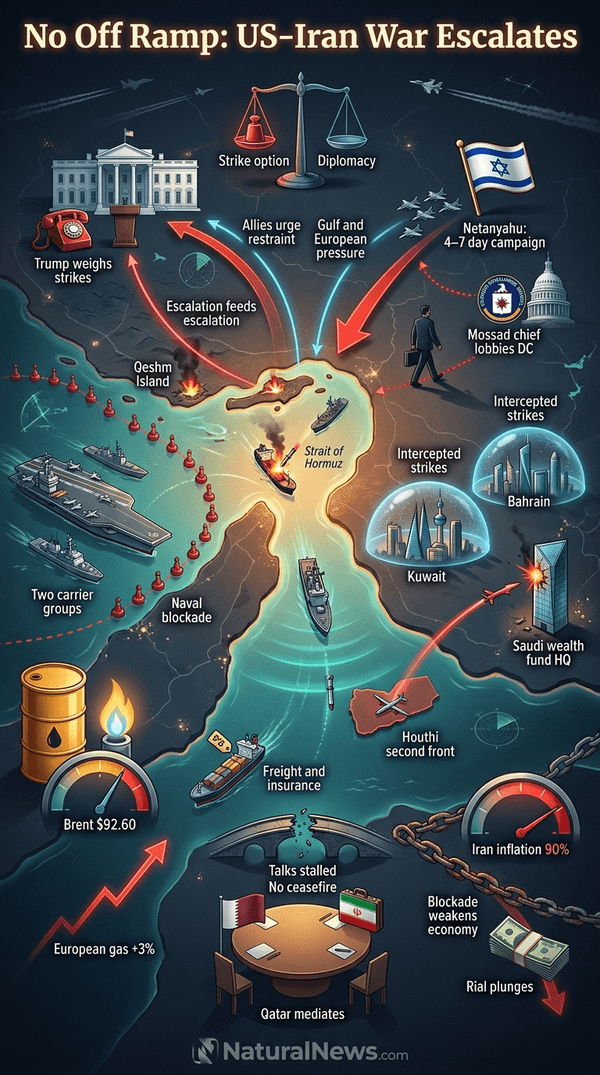
Explainer Infographic










Please contact us for more information.