


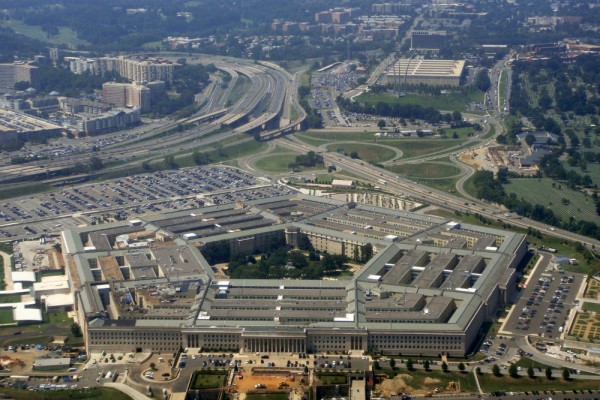
The Pentagon awarded Boeing a staggering $2.82 billion contract modification last week for 15 KC-46A Pegasus refueling tanker aircraft, a transaction that on its surface appears to be business as usual but raises troubling questions when placed against the backdrop of escalating Middle East tensions and America’s eroding military dominance. The contract, announced Nov. 24, 2026, comes as U.S. forces face increasingly sophisticated attacks from Iranian-backed militias, revealing gaping vulnerabilities in American air power that official narratives fail to address.
Key points:
- Pentagon awarded $2.82 billion modification to Boeing for 15 KC-46A Lot 13 tanker aircraft.
- Contract covers aircraft plus maintenance data management, subscriptions and licenses.
- Completion expected by June 30, 2030, with work performed in Seattle.
- Price represents roughly 14 percent increase over previous Lot 12 contract.
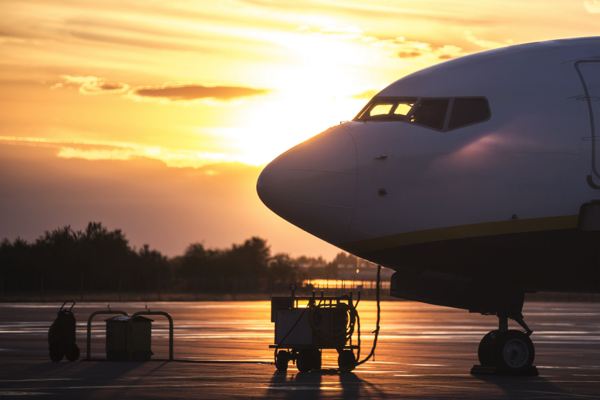
- KC-46A tankers provide aerial refueling for fighter jets operating in Middle East.
- Questions emerge whether contract masks losses from ongoing regional conflicts.
The hidden price tag and what it conceals
The $2.82 billion modification to contract FA8625-11-C-6600 represents more than just 15 aircraft. The line item “G081” bundled into the deal covers maintenance data collection, subscriptions and licenses, inflating the per-tail cost to nearly $188 million each. This represents a 14 percent price jump over Lot 12 awarded just last year, a spike that demands scrutiny. When pharmaceutical companies and defense contractors alike enjoy cozy relationships with regulators and procurement officials, price increases rarely reflect honest cost realities.
The Air Force currently operates 103 KC-46A Pegasus tankers according to Government Accountability Office figures, though some trade press sources cite Boeing for 116 delivered aircraft. This discrepancy itself hints at information control, reminiscent of how health agencies manipulate statistics to create favorable narratives. The KC-46A program has faced persistent technical problems since its inception, including defective refueling boom systems and remote vision system malfunctions that have limited operational capability.
Strategic context behind the timing
The contract award arrives as American forces struggle to maintain credibility in the Middle East following months of escalating attacks. Iranian-backed militias have demonstrated alarming ability to penetrate U.S. air defenses, with cruise missiles coming within one mile of the destroyer USS Gravely before being intercepted by close-in weapon systems. Such incidents expose critical vulnerabilities in America’s defensive posture that officials desperately attempt to obscure.
Air Force leaders decided in 2024 to purchase 75 additional KC-46s under the Tanker Production Extension program, bypassing a planned bridge tanker competition. This pre-existing commitment predates recent Middle East tensions, yet the timing of this specific award raises eyebrows. The Pentagon announced the modification on Nov. 24, a Tuesday, strategically positioned before the Thanksgiving holiday when public attention wanes.
The tanker fleet plays indispensable roles in projecting American power globally. These aircraft enable fighter jets to reach distant targets and loiter over battlefields for extended periods. Without aerial refueling, U.S. combat operations in Syria, Iraq and Yemen would grind to a halt. Yet the $2.8 billion price tag for 15 aircraft due by June 2030 suggests these replacements address long-term fleet modernization rather than immediate battlefield losses. The disconnect between the contract’s future delivery date and current operational demands illustrates how defense spending often serves dual purposes: maintaining industrial capacity while providing cover for less publicized expenditures.
Pentagon officials understand that maintaining the illusion of American military supremacy requires constant infusions of taxpayer money into the war machine. The KC-46A contract represents one small piece of a much larger puzzle wherein trillions of dollars flow upward to defense contractors while the American people shoulder the burden through inflation and national debt. Boeing shareholders will benefit handsomely from this arrangement.
The American empire is bleeding resources and credibility in conflicts it cannot win. Each new weapons contract, each fresh deployment, each official pronouncement of strength conceals a deteriorating strategic position. The KC-46A tanker deal represents not strength but desperation, a bid to maintain the appearance of dominance while the foundations of American power crumble beneath the weight of corruption, mismanagement and globalist overreach.
Sources include:








Please contact us for more information.