


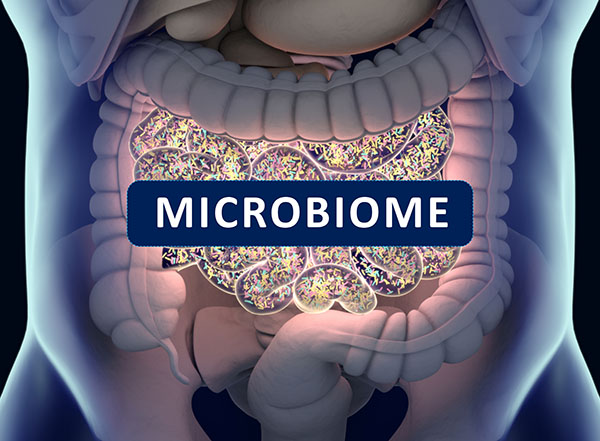
In a breakthrough study published in Cell Metabolism, Canadian researchers have discovered that targeting a previously overlooked molecule produced by gut bacteria can significantly improve blood sugar control and reduce liver damage. The research, conducted by scientists at McMaster University, Université Laval and the University of Ottawa, offers a new therapeutic approach to treating chronic metabolic diseases like Type 2 diabetes and nonalcoholic fatty liver disease (NAFLD).
- Canadian researchers have discovered that gut bacteria produce D-lactate, a hidden fuel that raises blood sugar and liver fat, particularly in obese individuals and mice.
- By developing a "gut substrate trap" to bind D-lactate before it enters the bloodstream, scientists significantly improved blood sugar levels, liver inflammation, and insulin resistance in obese mice — without altering diet or weight.
- The study reveals a new microbial branch of the Cori cycle, adding gut microbes to the long-established lactate-glucose exchange between muscles and the liver.
- This approach opens a new therapeutic direction for treating type 2 diabetes and fatty liver disease by targeting microbial metabolism rather than traditional hormone or liver pathways.
Trapping gut bacteria’s hidden fuel offers new hope for diabetes and liver disease
At the center of the study is D-lactate, a lesser-known form of lactate primarily produced by gut microbes. Unlike L-lactate, which is generated by muscles and has long been known to fuel the liver in a process called the Cori cycle, D-lactate appears to act as a metabolic disruptor. The researchers found that people with obesity and obese mice had elevated levels of D-lactate in their blood, which correlated with increased blood sugar levels and greater liver fat accumulation.
According to lead author Jonathan Schertzer, professor at McMaster’s Department of Biochemistry and Biomedical Sciences, this discovery reveals a "new branch" of the Cori cycle, adding the gut microbiome into the previously understood exchange of lactate and glucose between muscles and the liver. “What we've discovered is a new twist on a classic metabolic pathway,” Schertzer said, emphasizing the novelty of incorporating microbial activity into well-established metabolic mechanisms.
To neutralize D-lactate’s harmful effects, the research team developed a “gut substrate trap” — a biodegradable polymer that safely binds to D-lactate in the gut before it can enter the bloodstream. When this trap was administered to obese mice, the results were dramatic. Despite no changes in diet or weight, the treated mice experienced lower blood glucose, improved insulin sensitivity and significantly reduced liver inflammation and fibrosis.
This innovative approach — intervening at the microbial level rather than targeting liver or hormonal pathways directly — marks a paradigm shift in how metabolic diseases might be treated in the future. “Instead of targeting hormones or the liver directly, we're intercepting a microbial fuel source before it can do harm,” said Schertzer, who is also a member of the Center for Metabolism, Obesity and Diabetes Research (MODR) and the Farncombe Family Digestive Health Research Institute at McMaster. He currently holds a Canada Research Chair in Metabolic Inflammation.
The study underscores the growing recognition of the gut microbiome’s role in chronic diseases and opens a new frontier in metabolic health research. By revealing how bacterial byproducts can influence core physiological functions like blood sugar regulation and fat production, this work paves the way for microbiome-based interventions that could be both safe and effective.
If further research confirms these results in humans, the development of similar gut-targeted treatments may become a vital part of managing or even preventing conditions like Type 2 diabetes and fatty liver disease — potentially transforming the future of metabolic health.
Tune your internet dial to NaturalMedicine.news for more tips on how to use natural remedies for preventative medicine and for healing, instead of succumbing to Big Pharma products that cause, spread, and exacerbate disease and disorder.
Sources for this article include:










Please contact us for more information.