


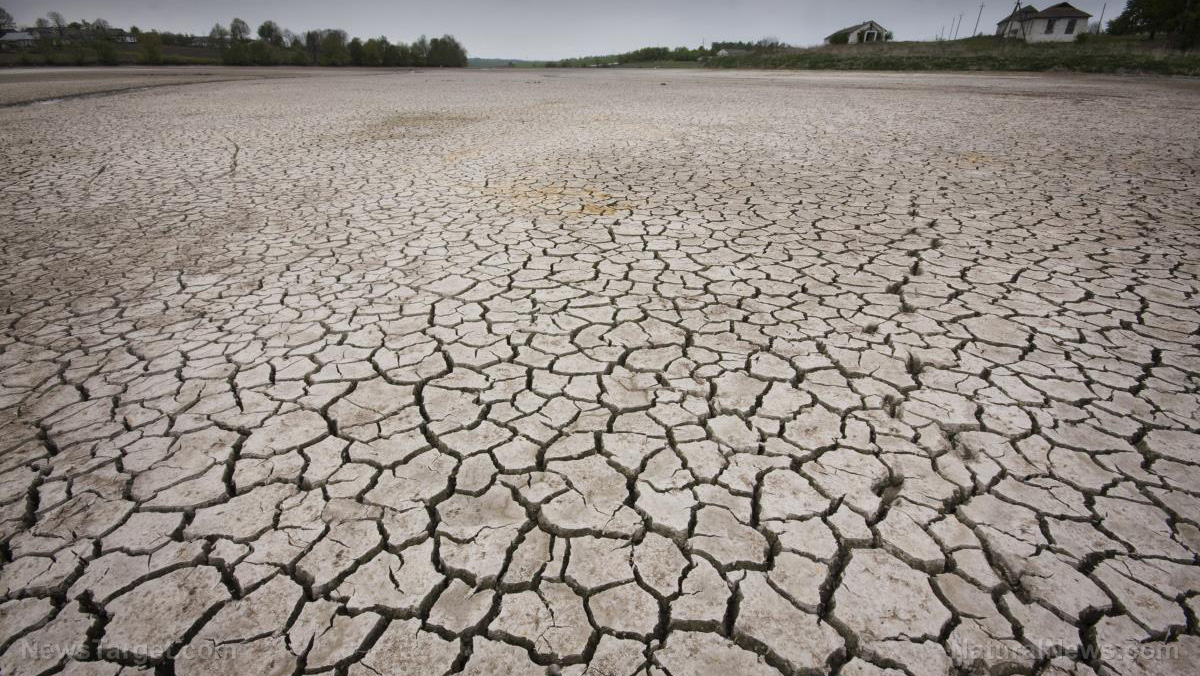
- IRS extends drought relief for farmers to defer taxes on livestock sales until late 2026, aiding 49 states and D.C.
- Tax breaks apply to draft, dairy and breeding livestock; poultry and animals sold for slaughter excluded.
- Persistent droughts, especially in the Colorado River Basin, have drained Western water supplies to critical lows.
- Over 34 percent of the U.S. faces drought, with farmers facing costly supplemental feed and forced sales.
- Policy underscores government support for agriculture while contrasting with prior pandemic-era overreach.
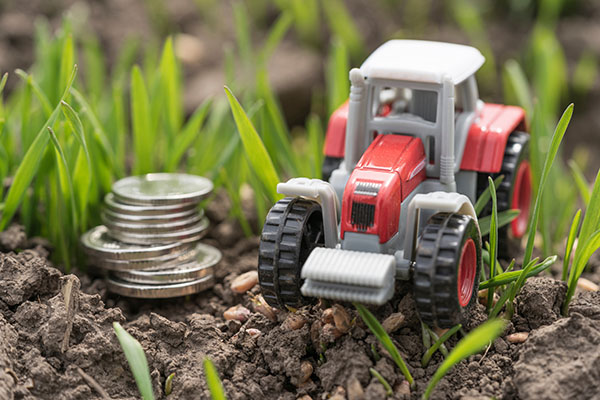
The Internal Revenue Service (IRS) has announced a critical tax relief measure for farmers and ranchers struggling under relentless drought conditions, extending deadlines for replacing livestock sold due to extreme weather. Under the new guidance, producers in 49 states and the District of Columbia will now have until the end of 2026 to replace herds sold between 2022 and 2025, doubling the previous two-year window. The policy eases the financial burden on agriculture communities as relentless dry periods exacerbate water shortages and force livestock sales that would otherwise trigger capital gains taxes.
The drought-relief program applies to farmers in regions designated as experiencing exceptional, extreme, or severe drought between September 2024 and August 2025. Farmers must demonstrate that drought—not market forces—drove sales, and replace livestock within the new four-year window. This reprieve, officials say, helps preserve rural livelihoods as 40 percent of the U.S. grapples with drought conditions.
“This policy reflects a commonsense approach to supporting American farmers without resorting to unconstitutional overreach,” said Wyoming cattleman Tom Hanson, a fourth-generation rancher. “It’s about giving families time to rebuild herds without punitive taxes.”
The Western water crisis: A slow-motion emergency
The relief comes as the West grapples with one of its most severe water crises in decades. The Colorado River Basin, which supplies water to 40 million Americans, remains entirely in drought, with Lake Powell risking collapse as its reservoirs dwindle. Utah’s reservoirs have dropped to record lows, while Washington state faces its third straight year of declared drought.
“This isn’t just a passing dry spell—it’s a systemic crisis,” said Dr. Brian Fuchs of the National Drought Mitigation Center. “Groundwater depletion since 2000 has left many basins in irreversible decline, demanding urgent reforms.”
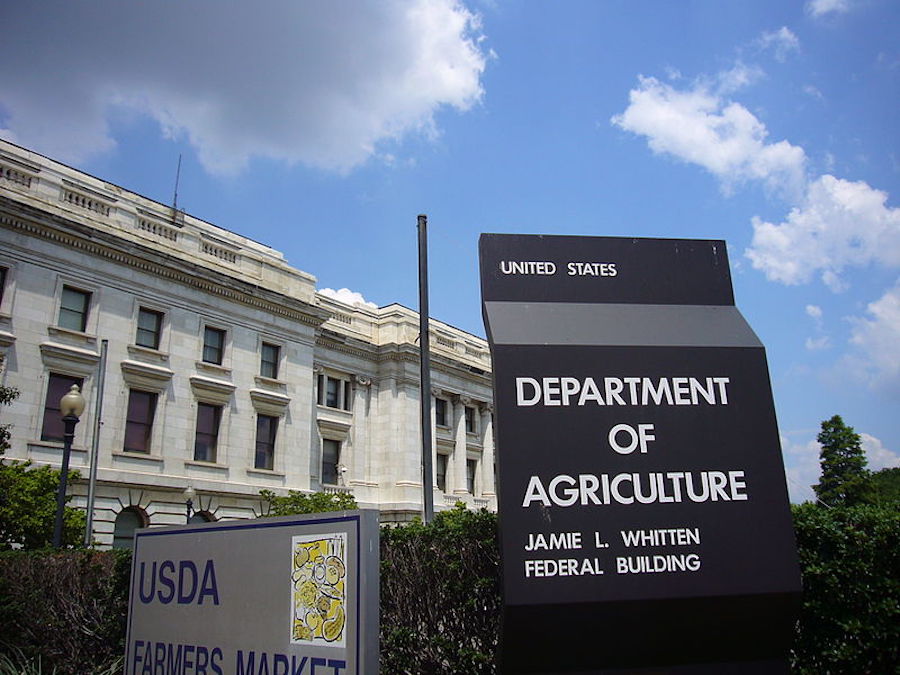
For ranchers, the strain is immediate: 44 percent of U.S. cattle now face drought-impacted grazing lands, forcing costly feed purchases or early herd sales. USDA Secretary Brooke L. Rollins noted in May that the agency had deployed relief payments to drought-affected livestock producers, emphasizing that “President Trump’s leadership keeps rural America on our feet.”
Balance reliance on aid with market solutions
While welcoming the IRS action, many conservative farmers argue federal solutions must complement—not replace—market-driven resilience. “Temporary relief is vital, but long-term fixes require smarter water policy, not endless subsidies,” said Montana cattle association head Sarah Miller.
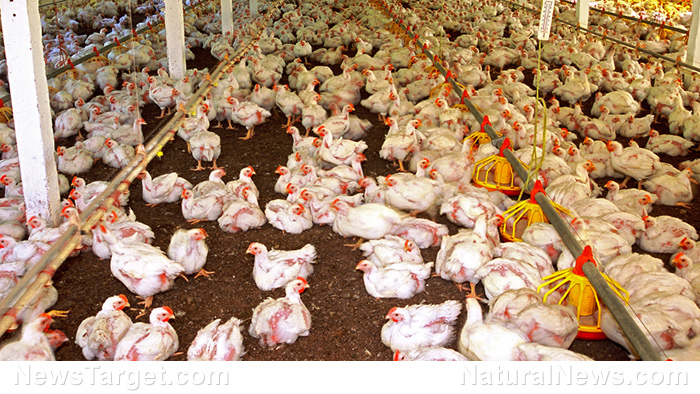
The relief’s narrow criteria reflect that nuance: only farmers with draft, dairy, or breeding livestock qualify. Excluded are poultry and animals raised for slaughter, deflating claims of “corporate welfare handouts.” However, critics note that federal drought designations, tied to rainfall metrics, may exclude smaller producers in marginally affected areas.
“Government can ease the pain, but ranchers must innovate,” said Oklahoma rancher Dan Hatfield. “That means better water recycling, drought-resistant breeds and local supply chains—freed from overregulation.”
A crisis years in the making
The current drought’s severity follows a nearly three-decade pattern of intensifying aridity. The 2020s saw historic lows in Colorado River flows, while the Southwest’s “megadrought”—beginning in 2000—ranks among the worst in 1,200 years. The IRS program builds on existing USDA initiatives like the Livestock Indemnity Program, which compensates for disaster-related losses.
Yet challenges remain. Nationally, reservoirs and aquifers lag far behind recharge needs. California’s reservoirs, though currently full, mask dire conditions in Southern ag zones, where 80% face moderate-to-extreme drought.
Time for sustainable solutions—and tax fairness
The IRS’s drought relief is a stopgap, not a cure-all. As farmers gain breathing room, policymakers must address root causes: aging water infrastructure, climate volatility and federal mismanagement of resources like the Colorado River. For every stalled dam project or delayed permit, farmers pay—and eventually, so do consumers.
“This isn’t about politics—it’s about survival,” said Nebraska soybean farmer Linda Stevens. “But if we reward adaptation and accountability, not just handouts, farming communities can thrive even in dry times.”
The coming water year will be pivotal. For now, rural America clings to small victories—one tax break, one raindrop, at a time.
Sources for this article include:




Please contact us for more information.