


- The U.S. power grid is critically vulnerable due to its aging infrastructure, centralized design for efficiency over resilience, and underinvestment in security, making it a prime target for adversaries.
- A prolonged, nationwide grid failure would be catastrophic, with estimates suggesting up to 90% of the U.S. population could perish within a year if the grid remains down for extended periods.
- Four primary threats endanger the grid: physical attacks on soft targets like substations; cyber warfare from state actors who have already infiltrated systems; electromagnetic pulses (EMPs) from nuclear detonations; and geomagnetic disturbances (GMDs) from solar storms.
- Centralized energy systems are inherently unreliable, as demonstrated by the 2021 Texas freeze, which showed that over-reliance on any single source (renewables or fossil fuels) can lead to systemic failure during crisis.
- The proposed solution is decentralization and hardening, including microgrids, small modular nuclear reactors (SMRs), EMP shielding for critical infrastructure, and public advocacy to prioritize grid security and energy independence.
The U.S. power grid – once a symbol of American ingenuity – now stands as one of the most vulnerable pieces of critical infrastructure in the nation, and the book "Grid Down, Power Up: The Battle to Secure America's Energy Future" explains why.
Designed for efficiency rather than resilience, this interconnected web of generation, transmission and distribution systems is a prime target for adversaries seeking to cripple the country through physical attacks, cyber warfare or electromagnetic pulses (EMPs).
The consequences of a prolonged grid failure are catastrophic. Estimates suggest that up to 90% of Americans could perish within a year if the grid remains down for nine months or longer. The grid's fragility stems from its aging infrastructure, centralized design and lack of redundancy.
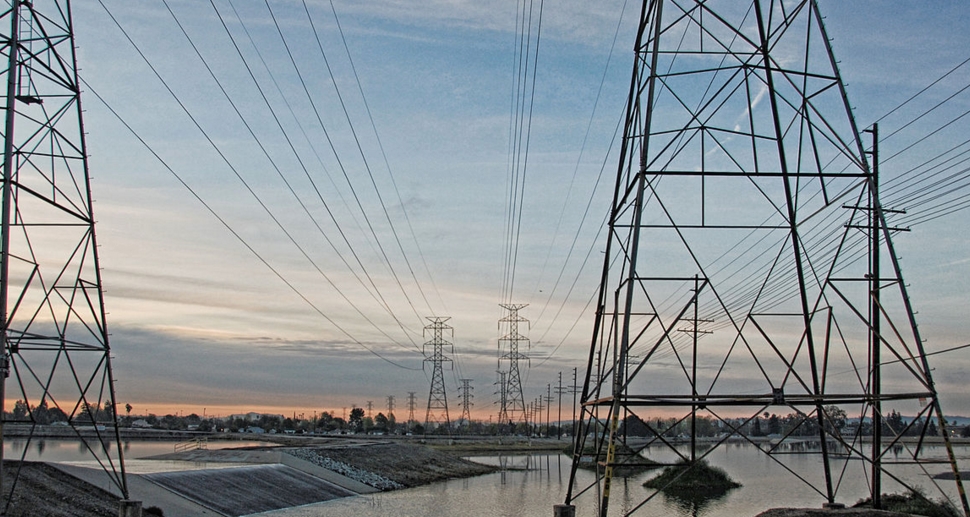
Many transformers and transmission lines are decades old, operating well beyond their intended lifespan. Deregulation and privatization have led to underinvestment in security, leaving substations protected by little more than chain-link fences. High-voltage transmission lines and central substations act as single points of failure – an attack on just nine critical nodes could trigger cascading blackouts across the nation.
The grid's Achilles' heel
The book cites four major threats to the power grid:
- Physical attacks – Substations are soft targets. In 2013, snipers attacked a California substation, nearly causing a regional blackout. In 2022, coordinated attacks on North Carolina substations left thousands without power for days. Drones, explosives or even small arms fire could disable critical infrastructure with minimal effort.
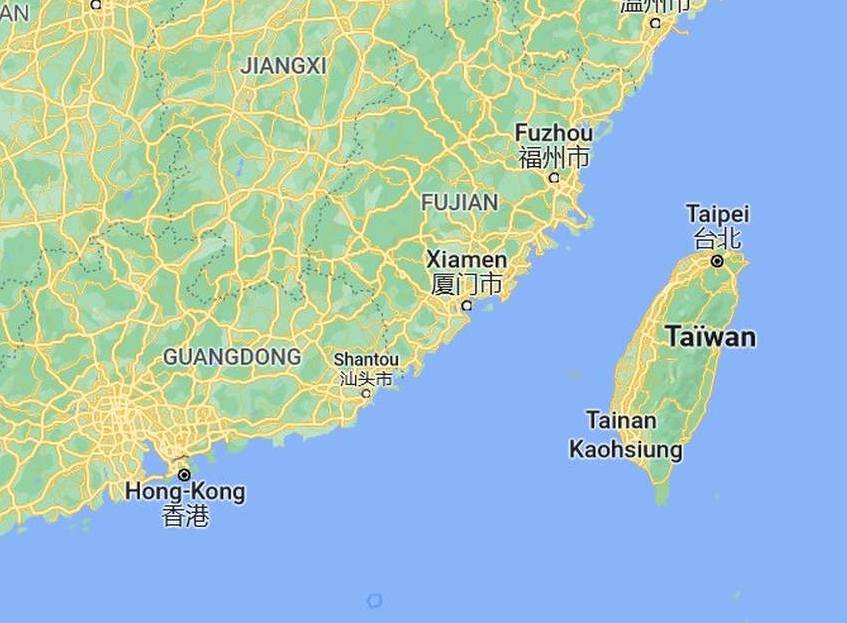
- Cyber warfare – Russia, China and Iran have already infiltrated U.S. grid control systems. The 2015 and 2016 Ukrainian blackouts, orchestrated by Russian hackers, proved that cyberattacks can cause real-world devastation. The Colonial Pipeline ransomware attack demonstrated how easily adversaries can exploit weak cybersecurity.
- EMPs – A high-altitude nuclear detonation or geomagnetic storm could fry electronics nationwide. The 1962 Starfish Prime test showed EMPs can damage electrical systems from hundreds of miles away. Without Faraday cages or surge protectors, transformers would be destroyed, leaving the grid inoperable for years.
- Geomagnetic disturbances (GMDs) – Solar flares, like the 1859 Carrington Event, could induce currents strong enough to melt transformers. The 1989 Quebec blackout, caused by a moderate solar storm, was a warning of what could happen on a continental scale.
The 2021 Texas freeze exposed the dangers of an unprepared grid. Over-reliance on intermittent renewables and natural gas left millions without power, resulting in hundreds of deaths.
Hospitals lost backup generators, water systems failed and desperate citizens burned furniture for warmth. The crisis proved that centralized systems – whether wind, solar or gas – are unreliable when needed most.
Decentralization: The only solution
The path to resilience lies in decentralization:
- Microgrids – Localized power networks can operate independently during outages, ensuring hospitals, military bases, and communities remain functional.
- Small modular reactors (SMRs) – Compact, scalable nuclear reactors provide reliable baseload power without the vulnerabilities of fossil fuels or renewables.
- EMP hardening – Shielding critical infrastructure with Faraday cages and surge protectors could prevent an EMP from causing nationwide blackouts.
- Public awareness and advocacy – Grassroots movements must pressure lawmakers to prioritize grid security over political agendas.
The threats are real, and the window for action is closing. China, Russia and other adversaries are actively probing U.S. infrastructure weaknesses, waiting for the right moment to strike. The federal government's failure to enforce mandatory security standards leaves the grid exposed.
America must reject the false promises of globalism and centralized control. Energy independence is not just about power – it's about sovereignty.
Without a resilient grid, the nation risks collapse under the weight of blackouts, famine and societal breakdown. The choice is clear: Harden the grid now, or face darkness when the next attack comes.
Grab a copy of "Grid Down, Power Up: The Battle to Secure America's Energy Future" via this link. Discover this book and other good reads at Books.BrightLearn.AI, with thousands of books and counting – all available to freely download, read and share. The decentralized BrightLearn.AI engine also lets readers create their own books, empowering them to share insights and truths with the world.
This video is from the Health Ranger Report channel on Brighteon.com.
Sources include:



Please contact us for more information.