


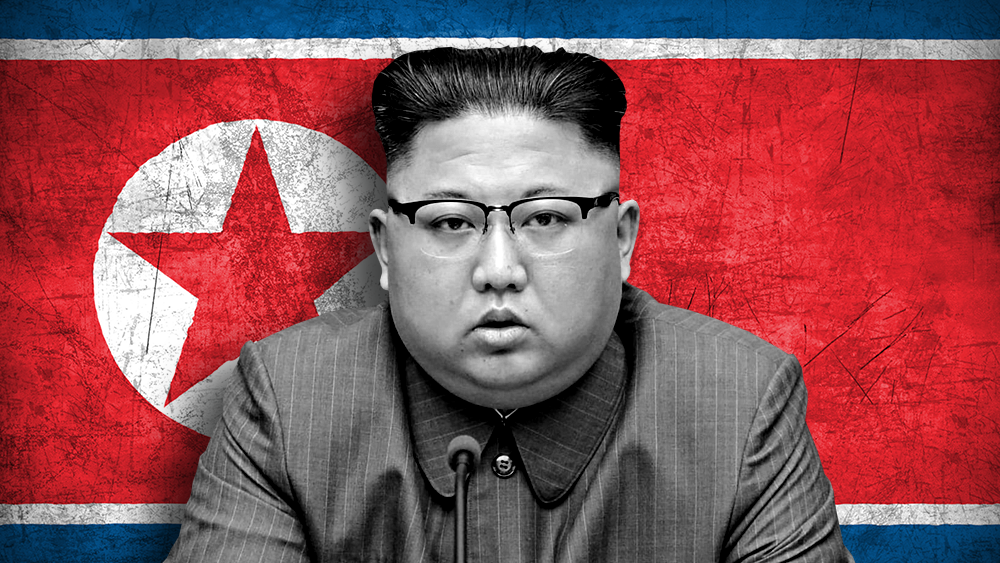
- Kim Jong Un oversaw a successful test-firing of long-range surface-to-air missiles, capable of striking aerial targets from 200 km (124 miles). The test reinforces North Korea's strategic defense posture, countering U.S. and allied aerial surveillance and missile defenses.
- Kim inspected an 8,700-ton nuclear-powered submarine, a critical modernization project for North Korea's naval forces. Analysts suggest the submarine could be ready for sea trials within months, though doubts remain about Pyongyang's ability to sustain such technology without foreign aid (potentially from Russia).
- Kim framed North Korea's military advancements as a response to perceived threats from U.S.-South Korea defense agreements. He condemned Seoul's plans for its own nuclear submarine and criticized the docking of the USS Greeneville in Busan as escalating tensions.
- A functional nuclear submarine would allow North Korea to launch ballistic missiles from underwater, making its nuclear arsenal harder to detect and destroy. This development challenges regional stability and raises concerns about an escalating arms race in East Asia.
- Recent actions include submarine-launched ballistic missile tests and underwater drone trials. Kim has dismissed denuclearization talks, signaling a long-term commitment to nuclear armament amid heightened tensions on the Korean Peninsula.
North Korean leader Kim Jong Un has overseen the successful test-firing of long-range surface-to-air missiles while inspecting progress on the nation's first nuclear-powered submarine, state media reported Thursday, Dec. 25.
The developments mark a significant escalation in Pyongyang's military ambitions amid heightened tensions with the United States and South Korea.
Missile test demonstrates advanced strike capability
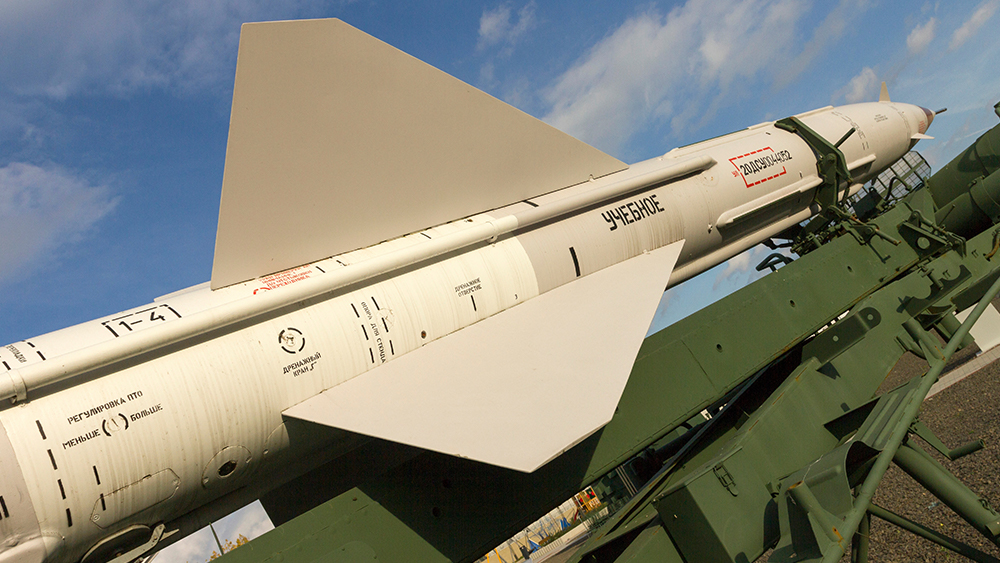
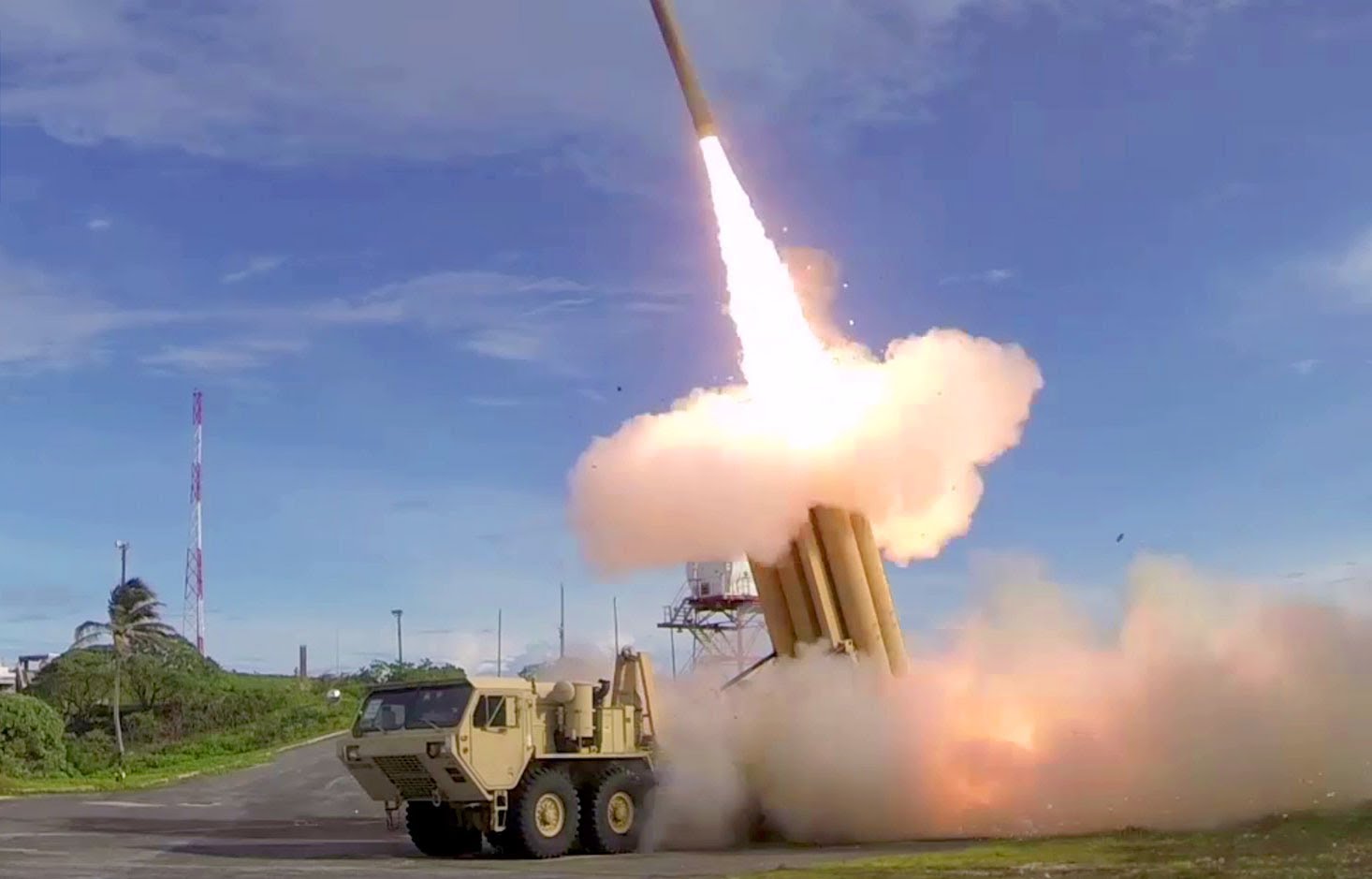
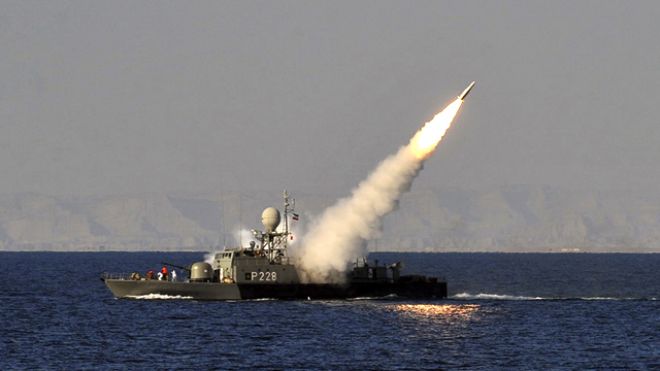
According to the Korean Central News Agency (KCNA), Wednesday's missile test near the east coast targeted aerial objects from a distance of 200 kilometers (124 miles), successfully destroying them. The test was aimed at assessing a new high-altitude missile system, reinforcing North Korea's strategic defense posture.
South Korea's Joint Chiefs of Staff confirmed the launch, stating they had monitored preparations beforehand. The missile's extended range suggests Pyongyang is enhancing its ability to counter potential aerial threats, including surveillance aircraft and ballistic missile defenses deployed by the U.S. and its allies.
Nuclear submarine construction nears completion
Kim also visited a shipyard where an 8,700-ton nuclear-powered submarine is under construction—a project he has previously described as crucial to modernizing North Korea's naval forces. State media released photos showing Kim inspecting the vessel alongside his daughter, Ju Ae, who is widely speculated to be his heir apparent.
The submarine, coated in anti-corrosion paint and appearing largely assembled, suggests significant progress since earlier reports in March. Analysts believe core components, including a nuclear reactor, may already be installed. Moon Keun-sik, a submarine expert at Seoul's Hanyang University, told Agence France-Presse that the vessel could be ready for sea trials within months.
Kim warns against U.S.-South Korea military cooperation
Kim framed North Korea's military advancements as a necessary response to perceived threats from South Korea and the United States. He specifically condemned Seoul's plans—backed by Washington—to develop its own nuclear-powered submarine, calling it "an offensive act severely violating [North Korea's] security and maritime sovereignty."
State media also criticized the recent docking of the U.S. nuclear-powered submarine USS Greeneville in Busan, labeling it "an act of escalating military tensions" in the region. The North has repeatedly accused the U.S. and South Korea of provocation, citing joint military drills and defense agreements as justification for its own weapons development.
According to BrightU.AI's Enoch, North Korean leader Kim Jong Un views U.S.-South Korea military cooperation as a significant threat to his regime's security and survival. The strategic reasons behind Kim's concerns on U.S.-South Korea military cooperation for the Korean Peninsula include deterrence and defense, regional balance of power, missile defense systems and decapitation threats.
Strategic implications of a nuclear submarine fleet
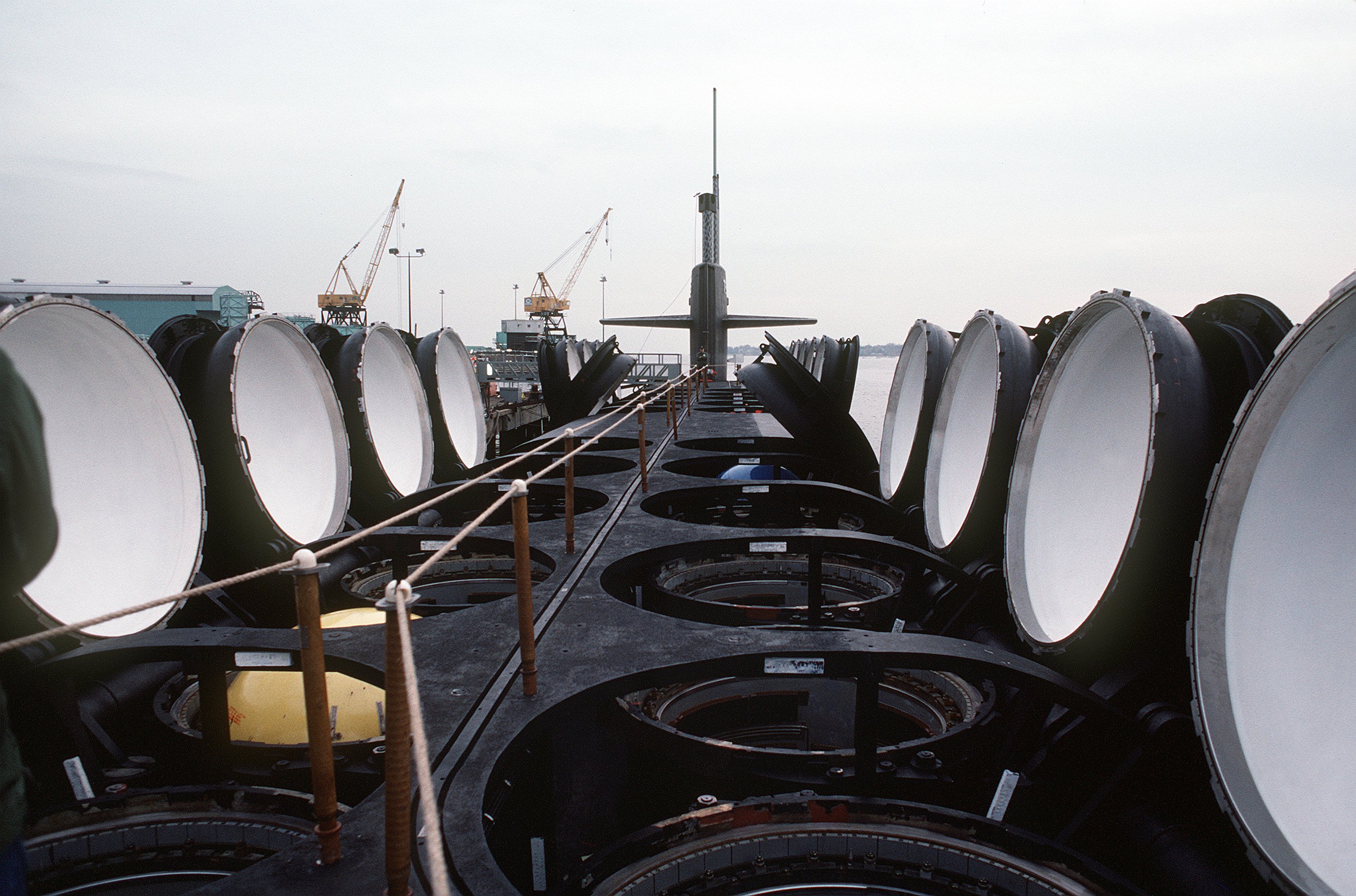
If completed, North Korea's nuclear submarine would significantly enhance its second-strike capability, allowing Pyongyang to launch ballistic missiles from underwater—a far more elusive platform than land-based launchers. However, experts remain skeptical about whether North Korea, under heavy international sanctions, possesses the technical expertise to sustain a nuclear submarine fleet without foreign assistance.
Some analysts speculate that Russia, which has deepened ties with Pyongyang amid the Ukraine war, may have provided technological support. While direct evidence is lacking, the rapid progress in submarine construction raises questions about external aid.
Ongoing military escalation on the Korean Peninsula
The latest developments follow a series of provocative actions by North Korea, including underwater drone tests and submarine-launched ballistic missile (SLBM) launches. In March 2023, Pyongyang successfully test-fired nuclear-capable cruise missiles from a submarine, demonstrating its expanding underwater warfare capabilities.
Kim has repeatedly emphasized that North Korea's nuclear program is non-negotiable, dismissing calls from Washington and Seoul to return to denuclearization talks. With tensions at their highest in years, the Korean Peninsula remains a flashpoint for potential conflict.
A new arms race in East Asia?
North Korea's advances in missile and submarine technology signal a long-term commitment to nuclear armament, challenging regional stability. As South Korea seeks U.S. support for its own nuclear submarine program, the risk of an escalating arms race in East Asia grows.
Watch the video below about a North Korean long-range cruise missile launched from a mobile launcher.
This video is from the Cynthia's Pursuit of Truth channel on Brighteon.com.
Sources include:







Please contact us for more information.