



- Keurig recalls decaf pods mistakenly filled with caffeinated coffee.
- The error poses a serious risk to millions with heart conditions.
- Caffeine can dangerously raise heart rate and blood pressure.
- This highlights national caffeine dependency and its health trade-offs.
- Doctors warn against abrupt caffeine cessation due to withdrawal.
A popular morning ritual for millions just got a dangerous twist. Keurig Dr. Pepper has recalled tens of thousands of decaffeinated coffee pods after discovering they may contain regular, caffeinated coffee, posing a significant risk to the nearly 128 million Americans living with cardiovascular disease. The recall, initiated by the company in December and classified by the FDA this month, highlights a critical fault line in food safety for a nation dependent on stimulants.
The recall targets approximately 960 cartons of McCafé Premium Roast Decaf Coffee K-Cup pods, amounting to roughly 80,640 individual pods. These were sold in California, Indiana, and Nevada with a best-by date of November 17, 2026. While no illnesses have been reported, the FDA has labeled this a Class II recall, meaning the violative product could cause temporary or medically reversible health consequences.
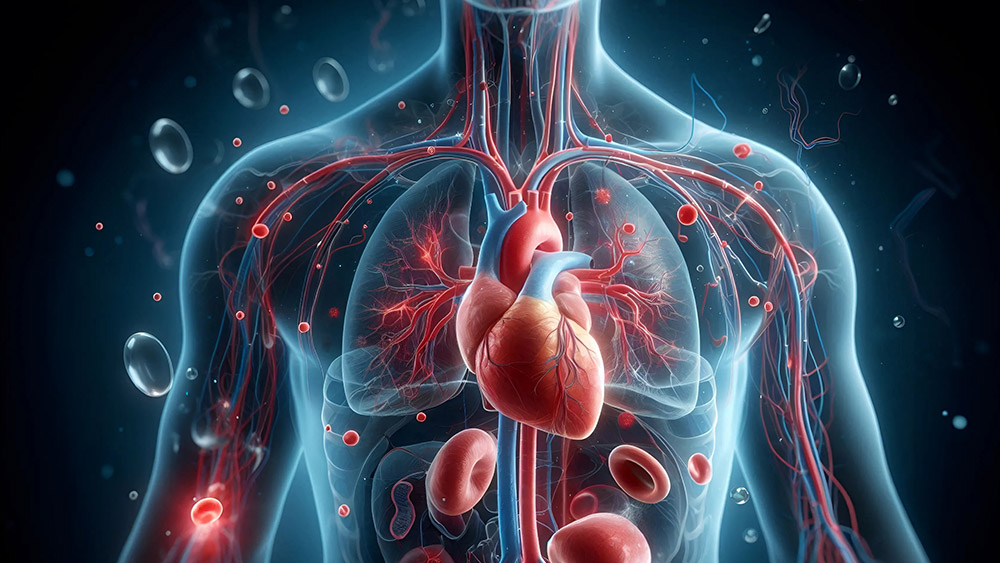
For the average person, an unexpected jolt of caffeine might simply cause jitters. For someone with a heart condition, however, it can be far more serious. Caffeine acts as a potent stimulant, promoting the release of norepinephrine, which increases heart rate and blood pressure. It also blocks adenosine, causing arteries to constrict and placing increased pressure on an already vulnerable cardiovascular system.
This is not a minor concern. Cardiovascular disease remains America’s leading cause of death, claiming nearly a million lives annually. Doctors routinely advise these patients to strictly limit or avoid caffeine. "Blood pressure and heart rate can be raised by caffeine intake," said Dr. Nerissa Fernandes, an internist at Rush University Medical Center. She advises patients not to consume caffeine before appointments where blood pressure is monitored.
The company states that all consumers who purchased the product were notified by the retailer over a month ago and offered replacements. "At Keurig Dr. Pepper, we are committed to the highest standards of safety and quality," a company spokesperson said. The recall was attributed to a labeling error, not an issue with the safety of the coffee itself for the general population.
The double-edged sword of caffeine
This incident forces a closer look at our national caffeine dependency. Approximately 85% of American adults consume coffee or similar stimulants to start their day. While caffeine can improve alertness and cognitive function in the short term, it is a powerful chemical stimulant. "Caffeine is a drug, so you can develop tolerance to it—and you can also develop withdrawal from it," Dr. Fernandes noted.
The temporary boost comes at a cost. Consumption triggers an "alarm mode" that ultimately drains energy reserves, leading to a cycle of stimulation and sedation. Furthermore, the American Medical Association points out that caffeine can interfere with numerous medications, including those for ADHD, depression, and thyroid conditions, and can cause anxiety and insomnia.
Navigating consumption and withdrawal
For those attempting to manage their intake, doctors recommend caution. Abruptly stopping caffeine can lead to significant withdrawal symptoms, including headaches that can last for days. "If you consume a lot of caffeine regularly and then you abruptly stop... you can definitely develop headaches," Dr. Fernandes explained. The recommended approach is a gradual taper.
It is also crucial to understand that "decaffeinated" does not mean caffeine-free. Decaf coffee still contains trace amounts, typically 2 to 15 milligrams. This recall, however, involves pods that may contain full, unlabeled caffeine levels, creating a dangerous scenario for those who consciously choose decaf for health reasons.
The Keurig recall is a reminder that in our fast-paced, stimulant-driven culture, what we consume matters profoundly. A simple labeling error in a common product can inadvertently endanger millions. It underscores the necessity of corporate diligence and the importance of individual awareness, especially for those managing chronic health conditions. In the end, true vitality cannot be found in a pod, but only through a respectful understanding of our body’s own complex chemistry.
Sources for this article include:







Please contact us for more information.