


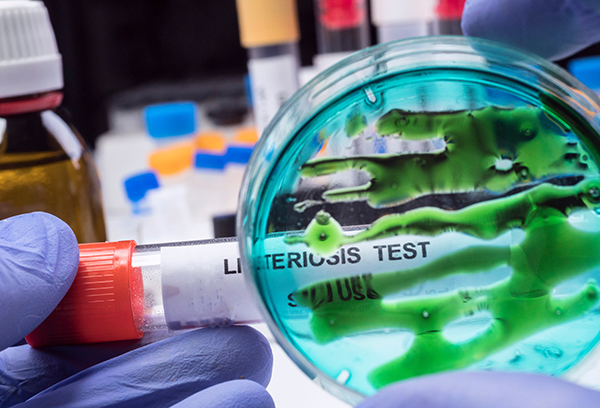
- Suzanna's Kitchen is recalling about 13,720 pounds of ready-to-eat grilled chicken after testing indicated possible contamination with Listeria monocytogenes, according to the U.S. Department of Agriculture's (USDA) Food Safety and Inspection Service (FSIS).
- The recall affects 10-pound cases of fully cooked grilled chicken breast fillets produced Oct. 14 and distributed to foodservice centers in seven states.
- FSIS classified the recall as Class I, its most serious level, meaning the product could cause severe illness or death, although no confirmed illnesses have been reported.
- Listeria causes listeriosis, a potentially deadly infection that particularly threatens pregnant women, newborns, older adults and people with weakened immune systems.
- The CDC and recent studies warn that listeria remains a major U.S. food safety threat, with recurring outbreaks highlighting the need for stronger food safety practices and public awareness.
The U.S. Department of Agriculture's (USDA) Food Safety and Inspection Service (FSIS) announced on Jan. 16 that Georgia-based food manufacturer Suzanna's Kitchen is recalling approximately 13,720 pounds of ready-to-eat grilled chicken products due to possible contamination with Listeria monocytogenes.
The recall affects 10-pound cases containing two five-pound bags of fully cooked grilled chicken breast fillets with rib meat. The products bear the lot code 60104 P1382 287 5 J14 on both the case and individual packages. The chicken was produced on Oct. 14 and distributed to foodservice centers in Alabama, Florida, Georgia, Missouri, New Hampshire, North Carolina and Ohio.
FSIS classified the recall as Class I, the agency's most serious designation, indicating a reasonable probability that consuming the product could cause serious health consequences or death.
The FSIS said that the issue was identified after a third-party laboratory test returned a positive result for L. monocytogenes in the product. As of the announcement, no confirmed illnesses had been linked to the recalled chicken, but FSIS said that "anyone concerned about an illness should contact a healthcare provider."
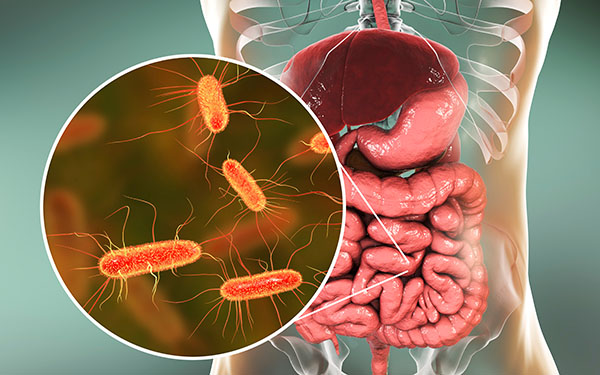
According to BrightU.AI's Enoch, L. monocytogenes is a type of bacterium that can cause listeriosis, a serious infection particularly dangerous for vulnerable populations such as pregnant women, newborns, the elderly and those with compromised immune systems. Symptoms of listeriosis can include body aches, diarrhea, fever, headaches and fatigue and can appear one to four weeks after consuming contaminated food. In severe cases, listeriosis can lead to brain infections or blood poisoning.
CDC: Listeria remains a deadly foodborne threat in the U.S.
The Centers for Disease Control and Prevention (CDC) reported in August 2024 that listeriosis is the third leading cause of death linked to contaminated food in the United States. The CDC estimates that L. monocytogenes infects about 1,250 people each year and causes approximately 172 deaths annually.
Recent recalls have underscored the ongoing risk.
In November, the Ambriola Company recalled multiple cheese products nationwide after routine testing detected listeria, with expiration dates ranging from February to May. Earlier in August, North Carolina-based Viva Raw withdrew two lots of pet food due to contamination with both Salmonella and Listeria.
An April 2025 study published in the Clinical Infection in Practice journal described Listeria as a "major public health concern," citing its ability to survive in a wide range of environments, including refrigerated conditions. The study noted that Listeria can contaminate food at multiple stages, from farm to table, such as through irrigation water for produce or during dairy milking and pasteurization.
Between 2012 and 2024, the study identified 27 Listeria outbreaks in the United States. Researchers said persistent outbreaks highlight the need for stricter food safety practices, better diagnostic tools and sustained public awareness.
"Public health campaigns and educational initiatives are essential components of Listeria prevention strategies. These efforts focus on informing consumers about safe food handling practices, such as the importance of cooking foods at appropriate temperatures and avoiding high-risk products such as unpasteurized dairy," researchers said.
Watch this report about the dangers of Listeria contamination amid a plague of product recalls.
This video is from the Daily Videos channel on Brighteon.com.
Sources include:








Please contact us for more information.