


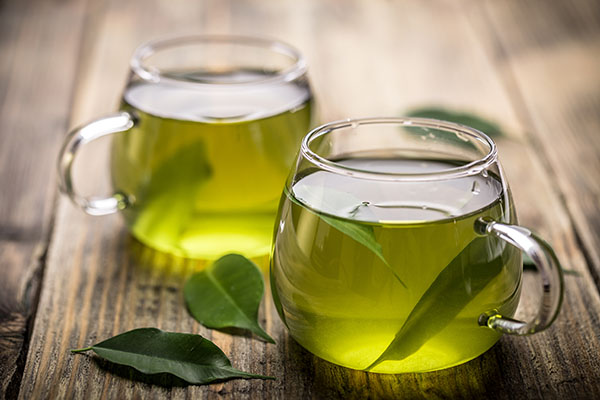
- The timing of green tea consumption significantly impacts the absorption of its beneficial antioxidants and can influence energy levels and sleep.
- To maximize antioxidant absorption and avoid blocking iron, experts recommend drinking green tea between meals, ideally one to two hours after eating.
- The late morning or early afternoon is an optimal window, as the combination of caffeine and L-theanine in green tea can enhance focus and alertness.
- For maximum antioxidant extraction, green tea should be brewed with hot water (between 176–212°F) and steeped for several minutes.
- Consuming green tea with a source of vitamin C, like lemon, can enhance antioxidant absorption, while adding dairy may inhibit it.
For centuries, green tea has been revered as a cornerstone of traditional wellness, but modern science is now pinpointing when it is consumed as a critical factor in unlocking its full potential. Emerging guidance from nutrition experts and recent studies suggests that the timing of a simple cup of green tea can significantly influence how effectively the body absorbs its disease-fighting antioxidants, while also affecting energy, focus and even sleep. This nuanced understanding moves beyond the beverage’s well-documented health profile, offering a strategic approach to integrating an ancient remedy into contemporary daily routines for optimized benefit.
The antioxidant powerhouse: Understanding the "why"
The health halo surrounding green tea is primarily attributed to its dense concentration of antioxidants, particularly a group of plant compounds called catechins. The most potent of these is epigallocatechin gallate (EGCG). These molecules combat oxidative stress—a type of cellular damage linked to chronic inflammation, heart disease, cognitive decline and aging. While incorporating green tea into one’s diet is beneficial, research indicates that the bioavailability of these catechins—how much the body can actually absorb and use—is not constant. It can be enhanced or hindered by what else is in the digestive system at the time of consumption.
The optimal window: Between meals and for focus
Consensus among dietitians points to the periods between meals as the most advantageous time to drink green tea. The primary reason is to avoid interference with iron absorption. Green tea contains tannins, which can bind to non-heme iron—the type found in plant-based foods like spinach, lentils and tofu—making it difficult for the body to absorb this essential mineral. To mitigate this effect, it is recommended to consume green tea at least one to two hours before or after a meal.
This guideline dovetails perfectly with another ideal consumption window: the late morning or early afternoon. During these hours, many people experience a natural dip in energy and alertness. Green tea offers a unique solution through its synergistic blend of a modest amount of caffeine (about 30 milligrams per cup) and the amino acid L-theanine. This combination is known to promote a state of calm focus, enhancing cognitive function without the jitteriness sometimes associated with coffee. Therefore, a mid-morning cup, consumed after breakfast has settled, can serve as both a potent antioxidant boost and a mental clarity tool.
Times to exercise caution
Just as there are optimal times, there are also less ideal moments for green tea consumption. Drinking it immediately before bed is generally discouraged for caffeine-sensitive individuals, as even its relatively low caffeine content can disrupt sleep quality for some. Furthermore, consuming green tea with a meal, especially one rich in plant-based iron, is counterproductive if maximizing nutrient absorption is a goal. Experts also note that while green tea contains performance-enhancing compounds, its caffeine concentration is too low to be considered an effective pre-workout booster compared to other sources.
Maximizing the brew: Preparation is key
The benefits of perfectly timed green tea can be amplified or diminished by how it is prepared. To extract the maximum level of antioxidants, brewing technique matters. Studies suggest using hot water, with temperatures ranging from 176°F to a full boil (212°F), and allowing the leaves to steep for several minutes—typically between three to five, though some research indicates up to ten minutes may yield higher antioxidant activity. Storage is also important; keeping tea leaves in an airtight container away from light, heat and moisture preserves their potent compounds.
An intriguing and simple hack to further enhance absorption is to add a source of vitamin C, such as a squeeze of fresh lemon juice. The ascorbic acid can improve the stability and bioavailability of catechins in the digestive tract. Conversely, adding dairy milk to tea has been shown in some studies to reduce its antioxidant capacity, as milk proteins may bind with the catechins.
A ritual refined for modern wellness
The historical context of green tea is one of holistic medicine and mindful ritual. Today’s research refines that tradition with empirical evidence, showing that intentionality in timing and preparation can elevate its health contributions. It transforms a daily habit from a passive intake of antioxidants into an active, strategic wellness practice. For the health-conscious individual, this means that a cup of green tea is more than a soothing beverage; it is a tool that, when used knowledgeably, can support metabolic health, protect cardiovascular function, sharpen mental acuity and contribute to long-term cellular defense. By aligning the ancient wisdom of green tea with modern nutritional science, one can truly steep the most benefit from every cup.
Sources for this article include:








Please contact us for more information.