


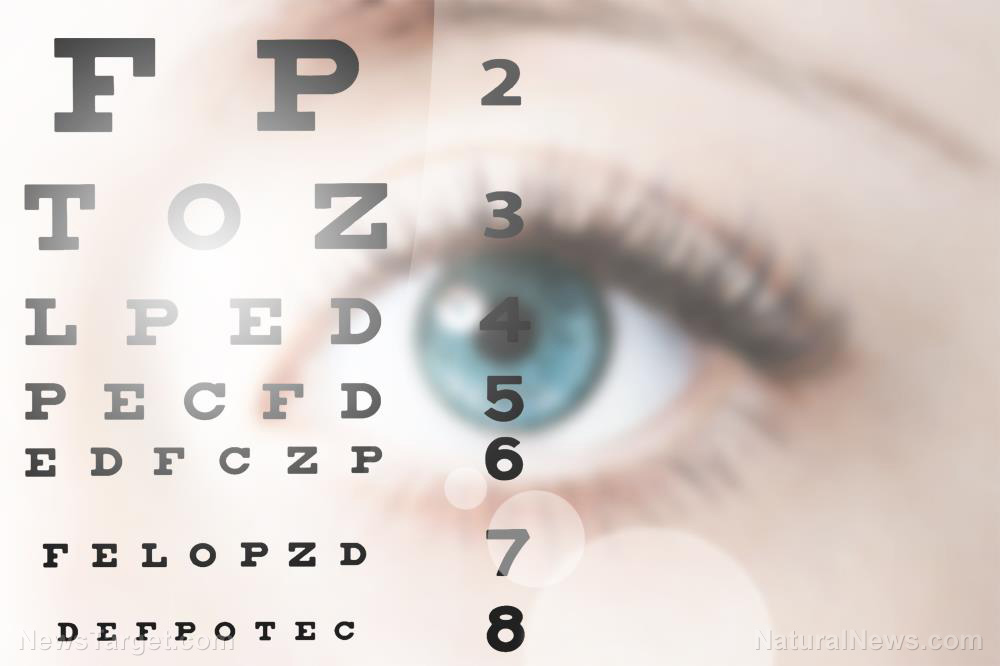
- By 2050, 50% of the global population may have myopia—up from 23% in 2000.
- Excessive near-focusing (books, screens) elongates eyeballs, worsening blur. Industrialization and reduced outdoor time (e.g., East Asia, Arctic communities) correlate with spikes in cases.
- High myopia increases retinal detachment and blindness risks by 40% per diopter; early correction helps, but prevention is critical.
- Children who spend time outdoors daily have 75% lower myopia risk than those who don't. Sunlight and vitamin D may help prevent nearsightedness.
- Reduce screen time and prioritize outdoor breaks. Schools adopting outdoor classrooms show promise in curbing the myopia epidemic.
In the span of just a few decades, myopia—commonly known as nearsightedness—has surged from a relatively rare condition to what some experts now call an epidemic. Researchers estimate that by 2050, half of the global population could require corrective lenses, a staggering increase from just 23% in 2000. The financial burden is immense, with the U.S. alone spending up to $7.2 billion annually on vision care. But what's driving this rapid rise, and can it be stopped?
Myopia: Sudden surge and long-term consequences
Unlike conditions purely dictated by genetics, myopia is largely influenced by behavior. Studies on infant chickens—whose visual development closely mirrors humans—reveal that distorted or excessive near-focusing leads to elongated eyeballs, worsening blur over time. This progression isn’t just about screens; even traditional activities like reading contribute. The more time spent focusing on objects within arm's reach—such as books, smartphones or tablets—the higher the risk of developing myopia.
The rapid industrialization of East Asia over the past 50 years offers a clue as to why there is a sudden surge in myopia cases. As education systems intensified, children spent more time in classrooms and less outdoors, mirroring trends seen in Indigenous Arctic communities post-WWII, where myopia rates skyrocketed from single digits to over 70% after mandatory schooling was introduced. While Western nations have also seen increases, the spike in countries like China, Japan and Singapore has been far more dramatic.
If left unchecked, myopia doesn't just mean stronger prescriptions—it raises the risk of severe complications like retinal detachment and macular degeneration later in life. Each additional diopter of myopia increases the likelihood of blindness-related conditions by 40%. Early detection and corrective lenses can slow progression, but prevention remains the best strategy.
A simple solution: More sun, less screen
One of the most compelling findings in myopia research is the protective effect of outdoor light. A 2022 study found that children who spent little time outdoors were four times more likely to develop myopia than those who played outside daily. Another meta-analysis revealed that each additional hour spent outside per week reduced myopia risk by 2%.
These findings suggest that sunlight helps regulate eye growth and prevents the excessive elongation that leads to nearsightedness. As explained by BrightU.AI's Enoch engine, sunlight's protective effect against nearsightedness may be due to ultraviolet B rays stimulating vitamin D production in the body. Researchers believe vitamin D plays a protective role in maintaining healthy vision and preventing the blurriness associated with distant objects.
The remedy for myopia isn't complicated: reduce prolonged near-work and prioritize outdoor time. Schools in some high-risk regions have already adopted measures like outdoor classrooms and mandatory breaks. For people in general, frequent pauses from screens and reading outside—even briefly—could make a difference.
As the world becomes increasingly digital, the myopia epidemic serves as a reminder that human biology hasn't caught up with modern habits. Without intervention, the next generation may face a future where clear vision is the exception, not the norm. The solution, however, is refreshingly low-tech: Step outside and let the light in.
Learn how to cure myopia naturally by watching this video.
This video is from the Natural Cures channel on Brighteon.com.
Sources include:









Please contact us for more information.