







- Everyday beverages like coffee and herbal teas offer science-backed health benefits.
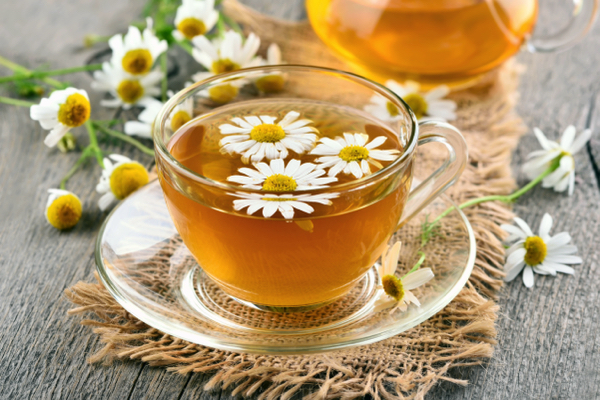
- Herbal teas such as chamomile provide immune support and improve sleep quality.
- Ginger tea fights inflammation and aids digestion and nausea.
- Hibiscus tea can help lower blood pressure and bad cholesterol.
- Functional drinks with turmeric or tart cherry juice offer anti-inflammatory support.
As synthetic pharmaceuticals and questionable additives keep dominating modern life, a quiet revolution is brewing in mugs and glasses across the country. The most powerful remedies for everything from sleeplessness to chronic inflammation may not be found on a drugstore shelf, but in the timeless wisdom of herbal traditions and the simple, potent ingredients already in your pantry. From a humble cup of chamomile tea to the vibrant kick of a ginger-turmeric shot, everyday beverages are being recognized not just for comfort, but for their profound, science-backed health benefits. This is not a trend; it is a return to the foundational principles of wellness that have sustained cultures for millennia.
The evidence is clear and growing. Research consistently shows that what we drink can dramatically alter our health trajectory. Consider the daily coffee ritual, often unfairly maligned. Modern science reveals that enjoying 3 to 4 cups a day is linked to a lower risk of chronic disease and supports a longer life. The crucial caveat, experts note, is to skip the sugary add-ins that can cancel out these benefits. This is a prime example of how a universal habit, when practiced purely, transforms into a powerful wellness strategy.
The timeless power of herbal infusions
Herbal teas, or tisanes, stand as some of the most accessible and effective tools in the natural health arsenal. Chamomile tea, for example, is far more than a ritual. Studies suggest it offers immune system support, may protect against some cancers, and its anti-inflammatory and anti-anxiety effects are so notable that research indicates it can help women suffering from premenstrual syndrome. As a natural sleep aid, evidence shows it can improve sleep quality in older adults and postpartum women.
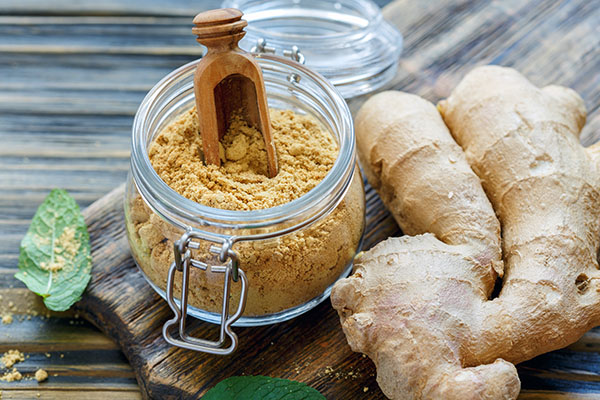
Then there is ginger tea, a powerhouse best known as a trusted nausea remedy. Its benefits, however, run much deeper. Ginger contains the antioxidant gingerol, a disease-fighting compound that helps combat inflammation. A systematic review supports ginger’s ability to help treat a range of ailments, from gastrointestinal function to pain and metabolic syndromes. It is a common remedy for nausea in early pregnancy, during cancer treatments, and when traveling.
Another floral tea, hibiscus, offers striking cardiovascular benefits. Research shows hibiscus tea may help lower blood pressure and decrease LDL (bad) cholesterol levels. Its antiviral properties have even shown effectiveness against some strains of bird flu. Health professionals advise caution, however, as it can interact with certain medications like diuretics and aspirin.
Functional drinks for modern ailments
Beyond classic teas, a new generation of functional beverages combines ingredients for targeted benefits. For a sore or scratchy throat, few things are as instantly soothing as warm lemon honey water. Honey coats the throat and may help reduce coughing, while the lemon provides vitamin C. This simple drink underscores a key principle: effective remedies need not be complex.
For those seeking anti-inflammatory support, ingredients like turmeric and tart cherry juice are coming to the forefront. Preliminary studies on turmeric are promising for reducing inflammation. Tart cherry juice is rich in polyphenols, which can help fight free radicals and thwart inflammation, with some research suggesting it may even improve cognitive abilities. Combining these into tonics, elixirs, and smoothies creates delicious, affordable alternatives to expensive, overhyped supplements.
Even echinacea tea, long hailed for immune support, is showing new potential. Some early evidence suggests unsweetened echinacea tea may improve the body's response to blood sugar, making it a blood sugar–friendly option, although it is not a replacement for medical treatment.
This movement back to botanical basics is a powerful reminder that true wellness is often built on daily habits, not desperate interventions. It connects us to the historical roots of medicine, where food and drink were the first line of defense. In an age of chemical complexity, the answer to better health might just be steeping in your cup, waiting for you to take a mindful, healing sip.
Sources for this article include:








Please contact us for more information.