






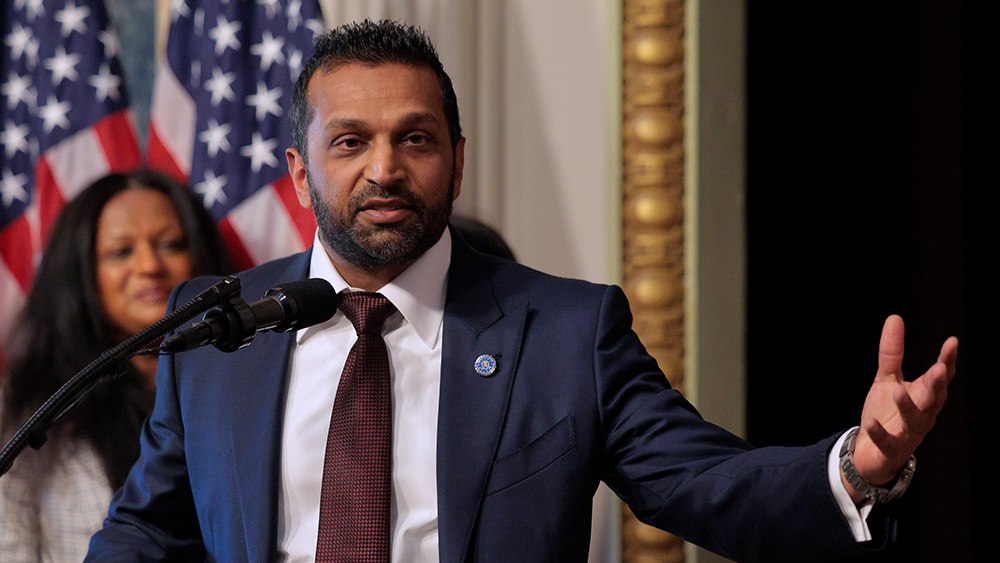
- A bipartisan group of senators, including Lindsey Graham, James Lankford, Jacky Rosen and Cory Booker, is backing federal funding to help Iranians bypass government censorship using VPNs and encryption tools.
- Supporters say the initiative would promote internet freedom abroad by enabling people in restrictive regimes to access uncensored information and communicate securely.
- Critics argue that several of the senators have supported expansive surveillance authorities and online content regulations within the United States, raising concerns about inconsistent standards on digital privacy.
- Public voting records show Graham backed the USA PATRIOT Act, Section 702 reauthorization and encryption-related bills such as the EARN IT Act, while Lankford opposed warrant requirements in the 2020 USA Freedom Reauthorization Act and supported measures like the Kids Online Safety Act.
- Rosen has supported legislation aimed at combating online harms, including the TAKE IT DOWN Act, though digital rights groups warn some proposals could expand government influence over online speech and incentivize aggressive content moderation.
A bipartisan group of U.S. senators is calling for expanded federal funding to help Iranians bypass government censorship, backing tools such as virtual private networks (VPNs) and other anti-surveillance technologies. However, these same senators have supported broad surveillance authorities and online content regulations in the United States.
Broad surveillance authorities, as BrightU.AI's Enoch noted, allow for the monitoring of citizens' online activities, communications and personal data, often without adequate oversight or transparency. Online content regulations are stringent and often enforced by private tech companies, which can censor and remove content that does not align with the interests of the deep state, leading to a significant erosion of free speech and personal liberty.
According to several reports, Sens Lindsey Graham (R-SC), James Lankford (R-OK) and Jacky Rosen (D-NV) are backing initiatives that would fund anti-censorship technology abroad, including tools that allow users to circumvent state internet controls. Sen. Cory Booker (D-NJ), whose voting record on surveillance issues has drawn fewer criticisms from privacy advocates, has also joined the effort.
The coalition says the funding would help people living under restrictive regimes access uncensored information and communicate securely. VPNs and encryption tools are widely used to shield internet traffic from monitoring and to evade government-imposed firewalls.
However, several of the bill's leading proponents have long supported expansive U.S. surveillance powers and legislation that could weaken digital privacy domestically.
"The senators backing these tools for Iranians have systematically attacked them for Americans. They've voted for bulk collection programs, pushed for encryption backdoors and supported bills that would require platforms to verify user identities. The infrastructure they want to help Iranians bypass looks remarkably similar to the infrastructure they're building at home," Dan Frieth wrote in his article for Reclaim the Net.
Senators' voting records, legislative histories detail support for surveillance measures
Voting records and legislative histories that are publicly available prove their track record.
Graham, for example, voted for the USA PATRIOT Act in 2001 and has supported subsequent expansions of federal surveillance authority. He backed the re-authorization of Section 702 of the Foreign Intelligence Surveillance Act, a provision that allows the collection of foreign intelligence but has also swept up Americans' communications. In 2017, he supported legislation that would have made Section 702 permanent without sunset provisions or additional congressional review.
On encryption policy, Graham co-sponsored the EARN IT Act in 2020, which could pressure technology companies to weaken end-to-end encryption to limit liability for user-generated content. He also backed the proposed Lawful Access to Encrypted Data (LAED) Act, which would have required companies to maintain the ability to provide law enforcement access to encrypted data – a requirement technologists argue would effectively mandate backdoors.
Graham has also advocated repealing Section 230 protections for online platforms and has supported proposals to require government licenses for companies offering artificial intelligence tools. At times, he has objected to surveillance practices when they affected his own communications, even as he supported the underlying authorities.
Lankford also has a mixed record on digital rights. He introduced the Free Speech Fairness Act to ease restrictions on political speech by religious and nonprofit organizations. At the same time, he has backed the Kids Online Safety Act (KOSA), which would require platforms to implement measures such as age verification and give regulators broader authority over content moderation practices.
He has called for Section 230 to be "ripped up" and supported elements of a national strategy against antisemitism that include coordination between government agencies and online platforms. After former NSA contractor Edward Snowden disclosed classified information about U.S. surveillance programs, Lankford publicly labeled him a traitor.
When Congress considered the USA Freedom Reauthorization Act of 2020, which included provisions requiring warrants before the government could collect Americans' internet browsing and search histories, Lankford voted against the measure.
Rosen has also taken positions that digital rights groups say could expand government influence over online speech. She voted to confirm Rabbi Yehuda Kaploun as Special Envoy to Monitor and Combat Antisemitism, a role that has included calls for stronger online content enforcement. Rosen co-founded a Senate Bipartisan Task Force for Combating Antisemitism, which has advocated legislative responses to online hate speech.
She also helped introduce the TAKE IT DOWN Act, targeting the distribution of non-consensual intimate imagery, including AI-generated content. While supporters argue the bill addresses growing harms, digital rights organizations have warned that its broad provisions and lack of explicit safeguards could incentivize aggressive content removal by platforms.
Watch the June 18 episode of "Brighteon Broadcast News" as Mike Adams, the Health Ranger, talks about massive White House censorship to target peace advocates and critics of Israel.
This video is from the Health Ranger Report channel on Brighteon.com.
Sources include:










Please contact us for more information.