






Introduction: The Day the Global Gas Market Faltered
March 2, 2026, marked the moment the fragile architecture of global energy security failed. A world already on edge due to a widening U.S.-Israeli conflict with Iran witnessed the unthinkable: Iranian drone strikes crippled the world's largest liquefied natural gas (LNG) export facility, forcing state-owned QatarEnergy to halt all production instantly [1]. The statement from the world's largest LNG producer was stark, announcing the cessation "due to military attacks" on its operating facilities in Ras Laffan and Mesaieed Industrial Cities [1].
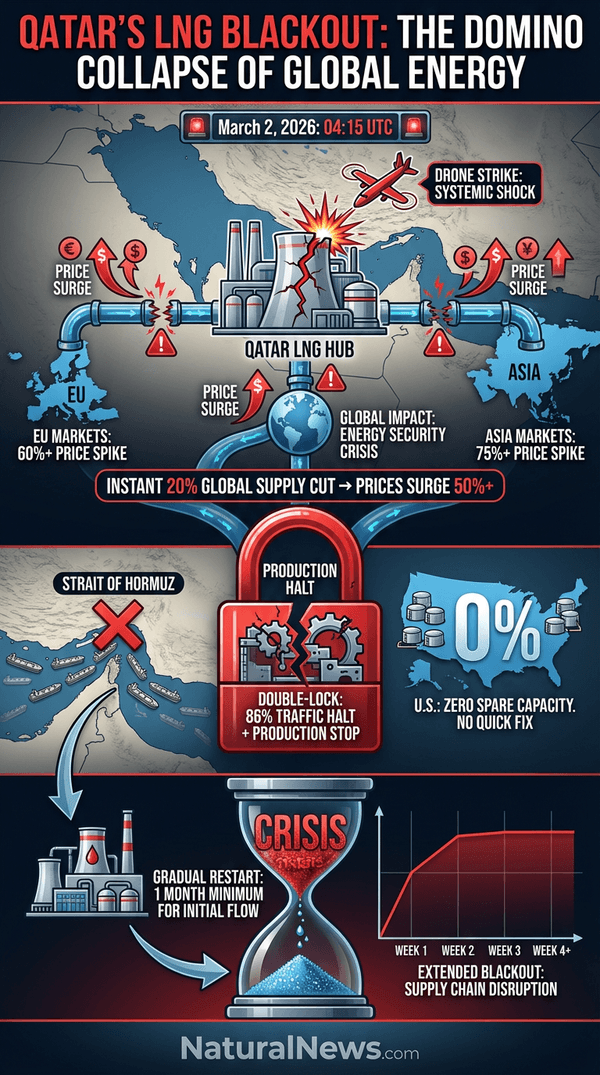
This is not a temporary market fluctuation or a minor supply hiccup. It is a systemic shock of unprecedented scale, instantly removing an estimated one-fifth of global LNG export capacity from the market [2][3]. The immediate, violent market reaction -- European gas prices surging over 50% and Asian benchmarks jumping nearly 39% [1] -- was merely the first tremor of a coming economic earthquake. If nothing changes, this event signals the death of complacency about centralized, geopolitically exposed energy infrastructure and the dawn of a new, more dangerous phase of permanent global instability. The window to prevent a cascading catastrophe is closing by the hour.
The Point of No Return: How a Single Attack Broke the Global Gas Market
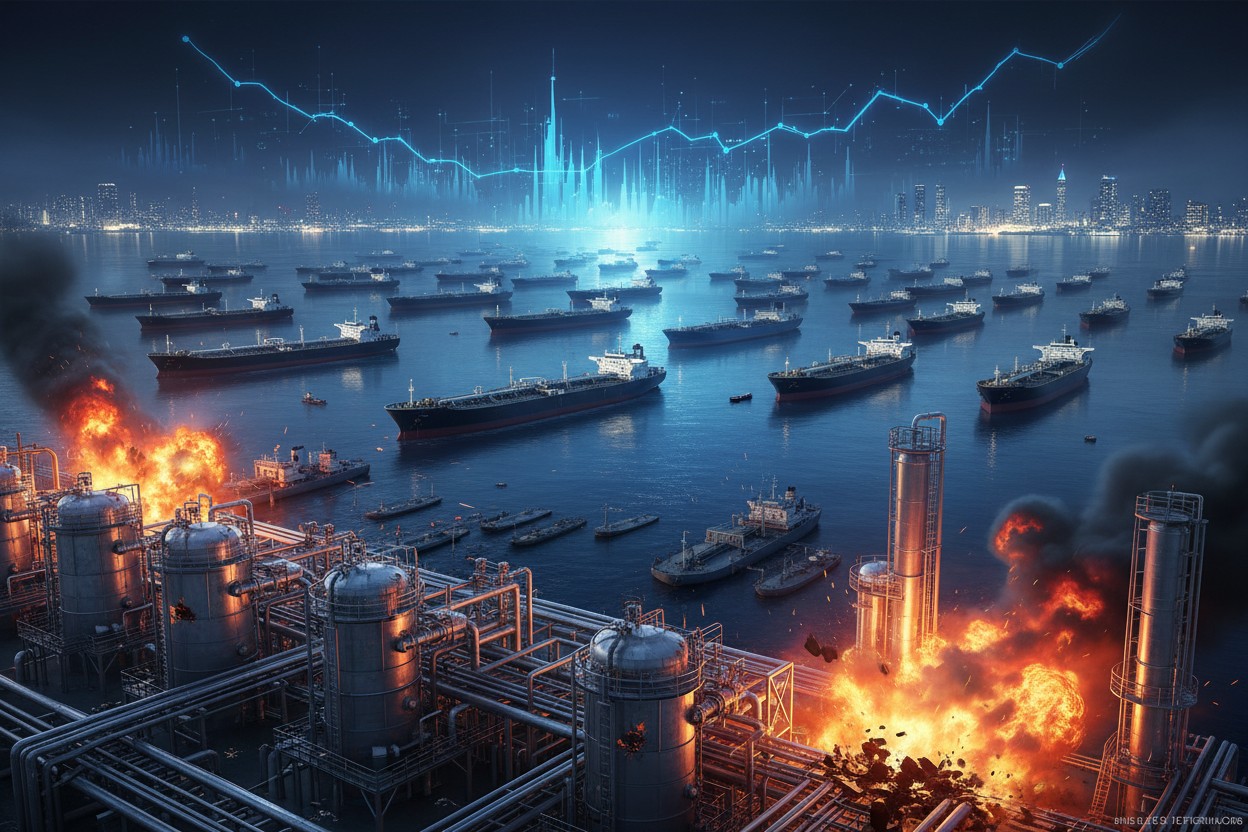
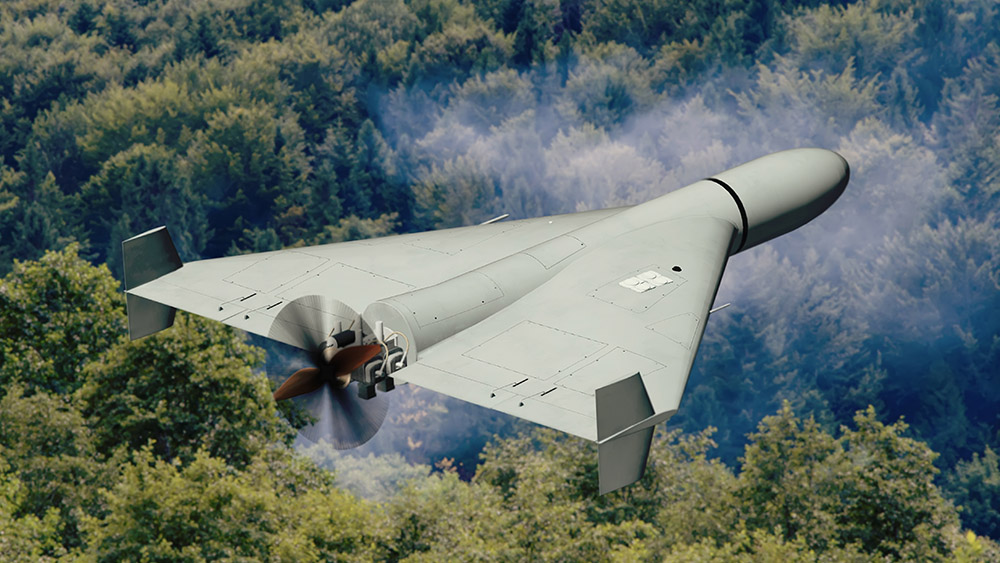
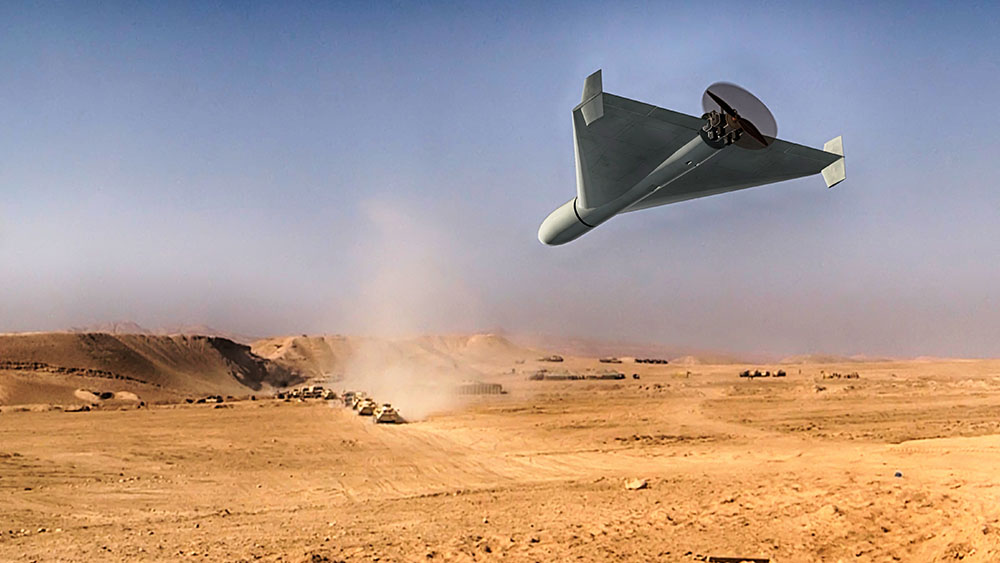
The attacks were precise and devastating. Drones launched from Iran struck a water tank at a power plant in Mesaieed and, most critically, an energy facility in Ras Laffan Industrial City belonging to QatarEnergy [4]. Ras Laffan is not just another plant; it is the heart of the world's LNG trade, a complex of processing units that supercools natural gas into liquid form for export by ship [5]. Its shutdown represents a fatal vulnerability in a system built on centralized, high-volume production hubs located in the world's most volatile region.
This is a systemic shock that exposes the catastrophic risk of over-reliance on centralized nodes. The event proves that energy security, as currently constructed, is a myth. As I've warned before, the entire Western system is built on fragile, centralized infrastructure vulnerable to both physical attack and geopolitical blackmail [6]. The shutdown was not triggered by mechanical failure or economic calculus, but by the stark reality of geopolitical conflict, showing that the contracts and supply chains nations depend on are worthless the moment missiles fly. Global energy security has entered a new, more dangerous phase of permanent instability.
Anatomy of a Supply Shock: The Unprecedented Scale of the Halt
The shutdown is total and unequivocal. QatarEnergy ceased production of "liquefied natural gas (LNG) and associated products" across the impacted sites [1]. This was not a partial reduction; it was a complete stop. The impact is magnified by simultaneous, coordinated assaults on the Gulf's energy infrastructure. On the same day, Saudi Arabia's massive 550,000-barrel-per-day Ras Tanura refinery was hit by drones, forcing a precautionary shutdown [5][7]. Offshore Israel, the government instructed Chevron to temporarily shut down the giant Leviathan gas field, throttling exports to Egypt [5].
This creates a multi-front energy blackout across the energy infrastructure of the Middle East. The damage to global supply chains is not a price spike; it is a structural rupture. Alternative suppliers like the United States, now the world's largest LNG exporter, have zero spare capacity to fill the void. As Reuters reported, U.S. LNG plants "are already running near full capacity, and most cargoes are tied up in long-term contracts" [8]. There is no cavalry coming. The global market has lost its most crucial balancing pillar in a single, devastating strike.
Market Carnage and the Food Inflation to Come
The financial carnage was immediate and historic. Benchmark Dutch and British wholesale gas prices soared by almost 50 percent, while Asian LNG prices jumped almost 39 percent within hours of the announcement [1]. European gas prices surged as much as 54% [9]. This panic is a direct signal that will soon be felt in electricity bills, industrial costs, and inflation metrics worldwide. As one analyst starkly put it, "Nothing can replace Qatari LNG" [8].
Compounding the crisis, QatarEnergy has declared force majeure on its LNG shipments [8]. This legal clause, invoked due to circumstances beyond the company's control, is a formal admission of systemic failure. It signals to Asian and European buyers -- over 80% of Qatar's clients are in Asia [5] -- that the contractual security they paid for is now worthless. This price shock is just the initial tremor. The real economic earthquake -- widespread factory shutdowns due to unaffordable energy, power rationing, and the social unrest that follows -- is mere weeks away if flows do not resume. India has already been forced to slash natural gas supplies to its industries in anticipation of the coming shortage [10].
The Strait of Hormuz Chokehold: A Second, Crippling Blow
Even if production could be miraculously restarted overnight, a second, equally crippling lock has been placed on global energy supply. The Strait of Hormuz -- the narrow maritime chokepoint through which about 20% of the world's seaborne oil and the bulk of Qatari gas flows -- has ground to a halt [1][11]. Amid the conflict, shipping traffic has declined by 86 percent, with roughly 700 ships sitting idle on either side of the passage [4]. Insurance providers are canceling war-risk coverage, turning the Strait into a no-go zone [12].
This creates a double lock on supply: no gas is being produced, and the little that exists in storage cannot be shipped. The global energy system is now in cardiac arrest. As one news analysis concluded, the situation has effectively choked the Strait, a "strategic trade route" [4]. The window to avert a prolonged global recession triggered by energy hyperinflation is closing by the hour as tankers sit idle and logistics chains seize. The reliance on such a vulnerable chokepoint, controlled by corrupt state actors and globalist cartels, has proven to be a catastrophic strategic error.
A Month-Long Blackout: The Dire Timeline Experts Fear
There will be no quick fix. Internal sources familiar with the matter warn that a return to normal production volumes will take at least a month [8]. This timeline assumes no further attacks and the ability to conduct rapid repairs -- a dangerously optimistic bet given the ongoing conflict. The shutdown process itself is gradual, first reducing production to minimum levels before stopping feed-gas flows to protect sensitive equipment [8].
The restart is even more painstaking. The cooldown process for the massive LNG processing trains, known as "trains," is intentionally slow to avoid thermal shock, and they cannot all restart simultaneously [8]. Supply will not snap back; it will drip-feed into a starving market, perpetuating the crisis for weeks. Every day the halt continues deepens the supply deficit, forcing desperate nations into a bidding war they cannot win and draining strategic reserves to critical levels. The gradual nature of this technical process means the market will feel the pain long after headlines fade.
Conclusion: The Death of Complacency and the Urgent Need for Decentralization
The events of March 2026 are a final, unmistakable warning. They prove the catastrophic risk of over-reliance on centralized, geopolitically vulnerable energy chokepoints. The global gas market, as designed by central planners and corrupt institutions, is broken. The notion of "secure" long-term contracts has been exposed as a fiction, shattered by the reality of drone warfare [8].
The only durable path forward is a radical, immediate shift toward decentralized, resilient energy systems. This means unleashing domestic production free from the shackles of globalist climate agendas, aggressively pursuing next-generation nuclear power, and breaking the monopolistic control of fragile LNG supply chains. As advocated in independent media, true security comes from self-reliance, not dependence on distant, corrupt regimes [13]. If we do not learn this lesson and dismantle these fragile systems, the next attack will not cause a shock -- it will cause the total collapse of the Western industrial base and the standard of living it supports. The time for decentralization is now.
References
- Gas prices soar as QatarEnergy halts LNG production after Iran attacks. - Al Jazeera. Al Jazeera Staff. March 2, 2026.
- QatarEnergy Halts LNG Production After Attacks, European Gas Prices Jump 45 Perecnt. - The Epoch Times. March 2, 2026.
- Qatar’s LNG Blackout Just Broke the Global Gas Market. - OilPrice.com. Julianne Geiger.
- Why QatarEnergy’s LNG production halt could shake up global gas markets. - Al Jazeera. Andy Hirschfeld and Reuters. March 2, 2026.
- Qatar LNG, Saudi refinery, Israeli oil, gas fields down due to Mideast strikes. - Reuters. Yousef Saba and Marwa Rashad. March 2, 2026.
- Brighteon Broadcast News - Spiritual Preparedness For Trumps Wars - Mike Adams - Brighteon.com. Mike Adams. November 13, 2024.
- The Iran war, diesel fuel, and a tired infrastructure story. - FreightWaves. March 2, 2026.
- Exclusive: Qatar shuts gas liquefaction, will take weeks to restart, sources say. - Reuters. Marwa Rashad. March 4, 2026.
- Gas Prices Surge as Qatar Shuts World’s Largest LNG Export Plant. - Bloomberg. Elena Mazneva, Stephen Stapczynski, and Salma El Wardany. March 2, 2026.
- India slashes gas supply to industries – Reuters. - RT. March 3, 2026.
- Iran strikes halt Qatar LNG output, shaking global energy markets. - CNBC. CNBC Staff. March 2, 2026.
- Ships in Strait of Hormuz to be 'set ablaze', IRGC official says, as insurers cancel coverage. - Middle East Eye. Sean Mathews. March 2, 2026.
- Brighteon Broadcast News - CEASEFIRE - Mike Adams - Brighteon.com. Mike Adams. June 24, 2025.
Explainer Infographic:







Please contact us for more information.