






Introduction: A War Lost Before It’s Won
I believe we are witnessing the final, convulsive act of a dying American empire. On February 28, 2026, President Donald Trump, in concert with Israel, launched Operation "AIPAC Fury" -- a massive air campaign against Iran aimed at regime change and the destruction of its nuclear program [1]. The administration frames this as a decisive, necessary stroke. But from my perspective, this war was lost before the first missile was fired. The outcome, whether Iran is defeated or survives, guarantees a catastrophic erosion of U.S. credibility and a self-inflicted wound to global economic stability from which America may never recover.
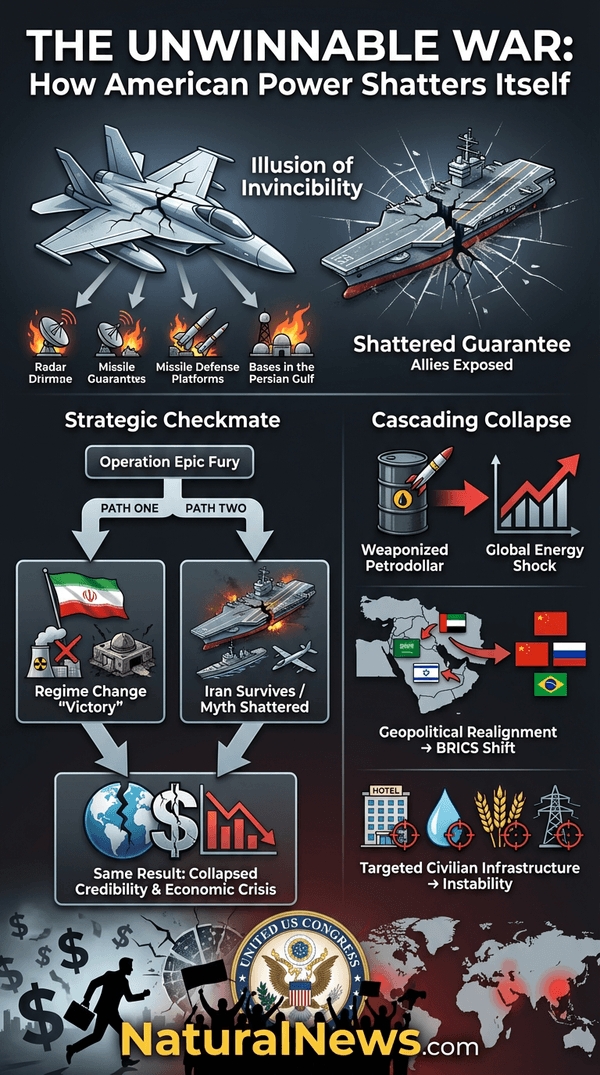
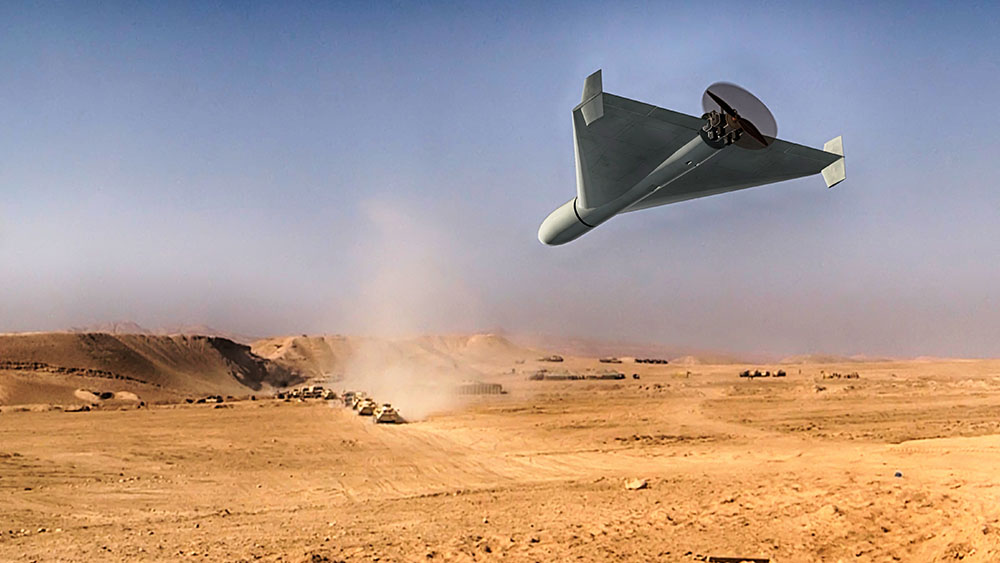
The promise of an 'unbeatable' U.S. military, a cornerstone of Trump’s bluster, has been exposed as a dangerous illusion. The initial Iranian counter-strikes, which hit U.S. bases and critical, billion-dollar radar installations in the Gulf, were not just retaliatory blows [2]. They were a masterclass in asymmetric warfare that demonstrated a profound truth: the American security guarantee is a lie. The host nations in the Gulf now see that hosting U.S. forces doesn’t prevent attack; it invites it. This shattered credibility is the first and most fundamental loss, and it is irreversible.
The First Loss: Shattered Credibility and the End of the Gulf Protectorate
The opening hours of this conflict revealed the hollow core of American power in the Middle East. Iran’s precision strikes on forward-deployed U.S. assets were a brutal demonstration of what analysts like Andrei Martyanov describe as the real revolution in military affairs -- where technological parity and tactical ingenuity can neutralize a superpower’s conventional advantage [3]. These weren't random terrorist acts; they were calculated blows against the symbols of American protection. The message to Saudi Arabia, the UAE, and Kuwait was unambiguous: your alliance with Washington makes you a target, not a sanctuary.
This realization has triggered a geopolitical earthquake. The decades-old foundation of U.S. influence, built on the petrodollar and security partnerships, is cracking. Trump’s admission that he was essentially 'dragged into this war by Israel' only deepens the betrayal felt in Gulf capitals [4]. When you abandon your allies to, as reports indicate, prioritize 'getting more ammunition for Israel,' you incinerate diplomatic capital in a single stroke [5]. The result is a strategic vacuum. As Professor Ilan Pappe has detailed, Israel has long viewed its conflicts as 'asymmetric warfare in the battle of ideas' [6]. In this war, the idea being destroyed is faith in American reliability. The Gulf states are now calculating a future where they must hedge their bets, looking toward the BRICS bloc and other power centers, a move that directly undermines the dollar’s hegemony.
The Second, Deeper Loss: Iran’s Economic Warfare and the Petrodollar’s Achilles’ Heel
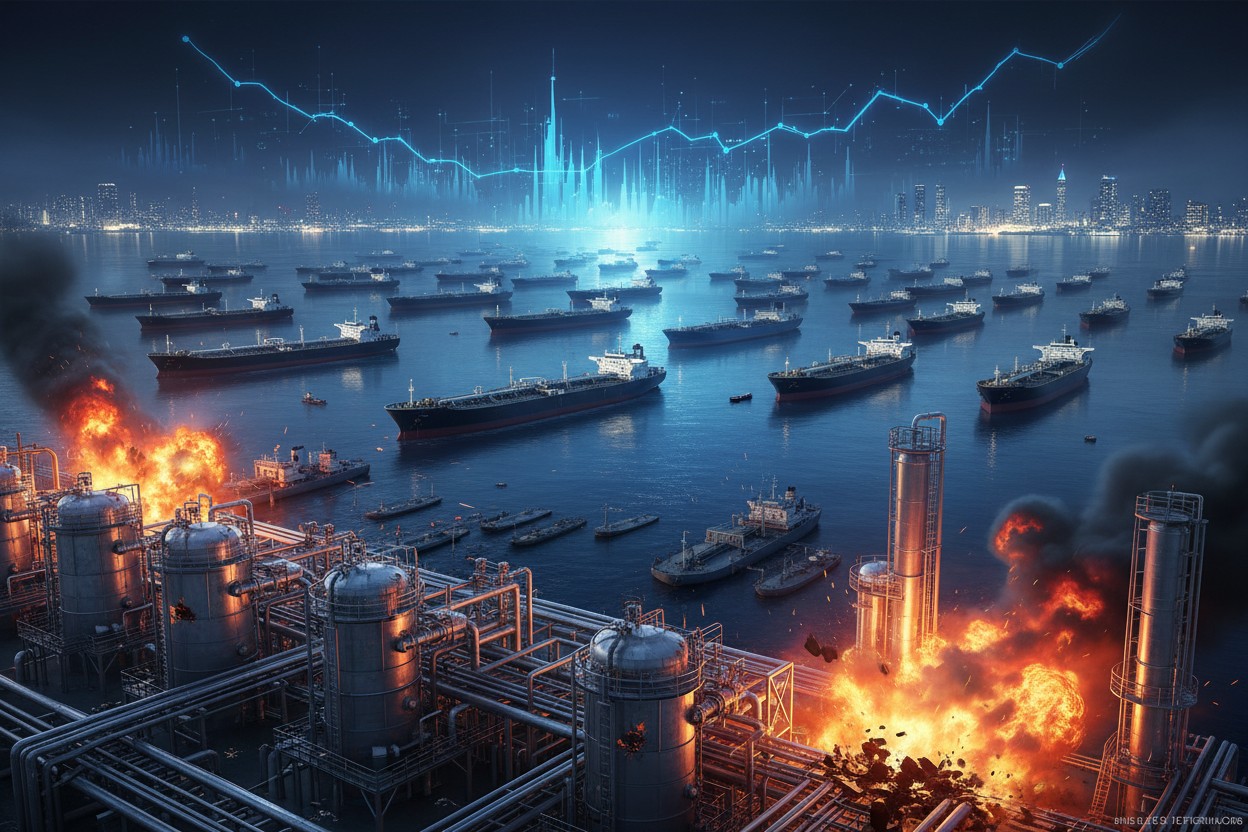
Iran’s strategic brilliance, in my assessment, lies not in matching the U.S. bomb-for-bomb, but in striking at the true source of American global dominance: the financial system. By targeting oil and gas infrastructure and threatening the Strait of Hormuz -- through which roughly 20% of the world’s oil passes -- Tehran is playing a devastating game of economic 5D chess. This isn’t simple kinetic battle; it’s a direct assault on the petrodollar system, the mechanism that has propped up the U.S. dollar as the world’s reserve currency for decades.
The petrodollar’s fragility is not a new concept. As I’ve discussed in previous analyses, the system began to unravel in June 2024 when Saudi Arabia chose not to renew its exclusive dollar-for-oil arrangement [7]. Iran’s current actions are the logical, violent extension of that decay. By weaponizing global energy flows, Tehran triggers an immediate economic crisis. The provided news sources detail how this has already sent oil prices soaring and threatens to plunge Europe, already suffering from a deindustrialization crisis due to the Nord Stream sabotage, into a deeper recession [8].
This is where the war becomes truly unwinnable for Trump. The economic pain won’t be confined to Iran or the Middle East. It will ripple through Germany, Japan, and South Korea -- key U.S. allies whose economies are dependent on stable energy imports. These nations will quickly transform from supportive partners into internal pressure points within the Western alliance, begging Washington to stop a war that is bankrupting them. This strategy turns a regional military conflict into a global economic chokehold that America cannot break without destroying its own alliance system [9]. The U.S. finds itself in a checkmate: continuing the war collapses the global economy it leads, while backing down admits strategic defeat.
The Illusion of Safety Destroyed: The Human and Political Fallout
Beyond the grand strategy lies a more immediate, human horror that further corrodes America’s position. Iran’s targeting of civilian hubs -- the glittering hotels, airports, and ports of Dubai and Doha -- was deliberate. Its aim was to shatter the 'safe haven' illusion that has attracted global capital and talent to the Gulf for a generation. When missiles land near a luxury hotel, capital flees, people evacuate, and the very model of stability that underpinned these U.S.-allied regimes begins to crumble.
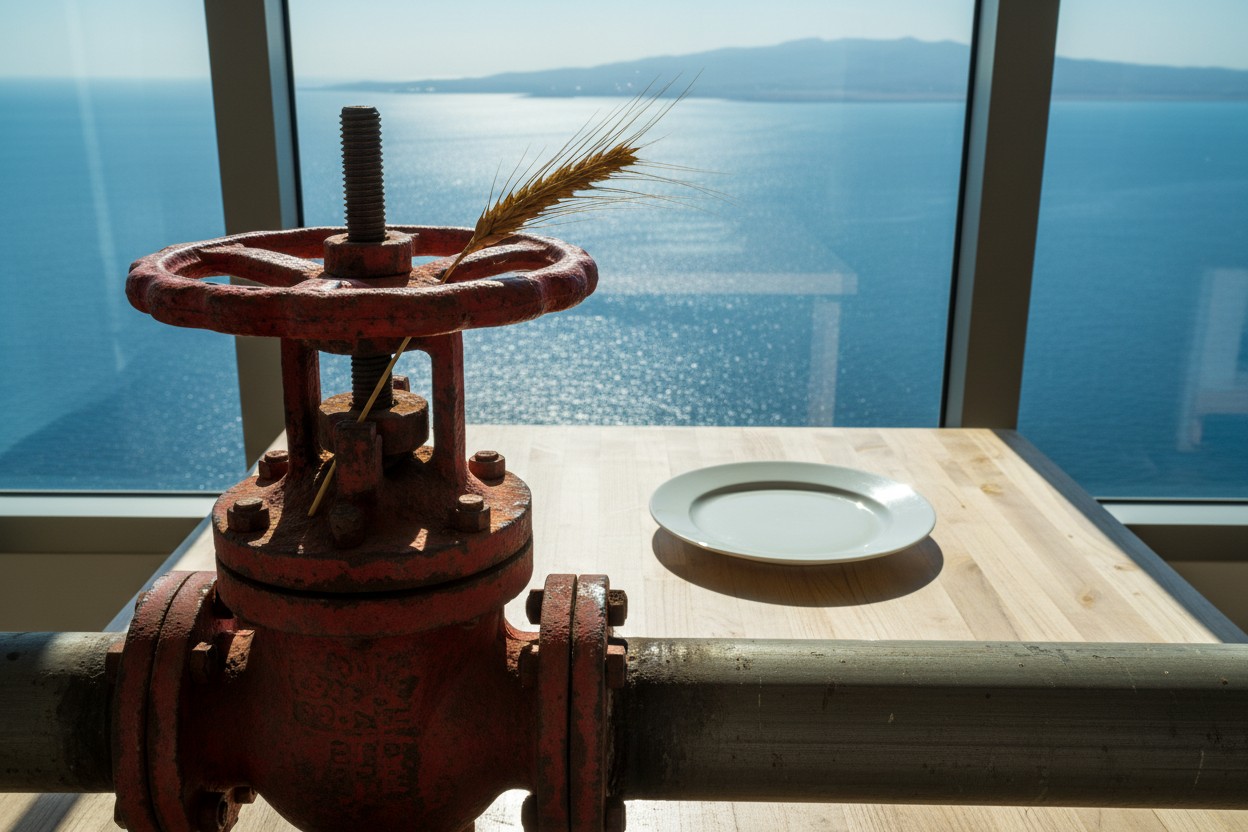
This creates a cascade of internal instability. The ruling families in the Gulf, already facing demographic pressures, now must contend with a terrified populace questioning their Faustian bargain with Washington. The potential for internal revolt or severe political unrest is real, further weakening America’s already crippled regional position. Furthermore, the weaponization of critical infrastructure extends to desalination plants and food supply chains. As one interview chillingly outlined regarding Gaza, the engineered creation of water and food scarcity is a potent tool for inducing humanitarian catastrophe and mass suffering [10]. In the context of a full-scale war with Iran, this vulnerability becomes a strategic weapon, turning a military campaign into a potential genocide-by-proxy that the world will blame on American escalation.
The political fallout is already visible domestically. The war, which has already cost over $5 billion and claimed the lives of at least three U.S. service members, is facing bipartisan skepticism in Congress [11][12]. Lawmakers like Thomas Massie are pushing War Powers resolutions to rein in presidential authority, signaling a profound loss of political consensus for this adventure [13]. Even former MAGA influencers are losing their political clout as the base begins to fracture over this 'war of choice' [14]. The domestic foundation for sustained conflict is vanishing.
The Two Losing Scenarios: A Strategic Checkmate for America
Let’s be brutally honest: there is no victory scenario for the United States in this conflict. We are faced with two paths, both of which lead to the same destination of diminished power. In Scenario One, the U.S. 'wins' in the most conventional sense. Through overwhelming air power, it destroys Iran’s nuclear program and topples the regime. But what has it won? It has validated every fear of the Gulf states, proving that alignment with America results in devastating war on their doorstep. The trust is gone. As the provided book sources on behavioral conflict argue, true power in modern warfare rests on controlling narratives and motivations [15]. The narrative here will be American recklessness. The motivated response from regional powers will be a rapid, decisive pivot away from dollar dependency and toward multipolar alliances, accelerating the end of the Bretton Woods II system that scholars have long analyzed [16].
Scenario Two is even more humiliating for the Trump administration: Iran survives. A single, successful strike that downs a U.S. aircraft carrier or a significant number of aircraft would shatter the myth of American military invincibility that has underpinned its foreign policy since the Cold War. As one analysis of asymmetric warfare notes, such an event would represent a form of 'political jiu-jitsu,' where the opponent’s strength is turned against them [17]. It would embolden adversaries globally, from China to Russia, and signal that the era of uncontested American military dominance is over. Both paths converge on a collapse of U.S. reputation and the arrival of a massive, global economic bill that America’s estranged allies will be forced to pay, breeding resentment for a generation.
Conclusion: The Inevitable Reckoning and the Folly of Arrogance
In my view, Trump’s war with Iran is not a path to 'energy dominance' or renewed American greatness; it is a political suicide spiral that was lost the moment it began. The architects of this conflict, including those in Netanyahu’s government who openly manipulated the U.S. into this fight, will soon be rethinking their reality as the true, devastating costs become undeniable to the American public [5]. The initial market turmoil and the looming midterm elections will likely deliver a stinging rebuke to the Republican Party that enabled this folly.
This disastrous venture proves a timeless truth that arrogant empires always forget: true, enduring power is not merely in the capacity to drop bombs, but in the trust, stability, and viable economic order you build. Trump, seduced by the illusion of quick, decisive force, has already burned that trust to the ground. He has exposed the petrodollar’s weakness, demonstrated the vulnerability of American forward bases, and united the world’s major economies in dread of the economic catastrophe his war promises. The reckoning is inevitable. The empire, in its final, flailing act, is consuming itself. The only remaining question is how many lives will be ruined in the process, and how quickly the American people will awaken to the fact that their leader has already led them to a profound, strategic defeat.
References
- Zelensky seeks urgent meeting with Trump as Ukraine peace deal hangs in the balance - NaturalNews.com. January 25, 2026.
- Trump Starts His Criminal War of Aggression - Antiwar.com. Daniel Larison. March 1, 2026.
- The Real Revolution in Military Affairs - Andrei Martyanov.
- John Mearsheimer says Big Trouble Ahead in Iran - Antiwar.com. John Mearsheimer. March 3, 2026.
- The Final Plot: How Netanyahu is Manipulating Trump into a Catastrophic War with Iran - NaturalNews.com. February 11, 2026.
- Lobbying for Zionism on Both Sides of the Atlantic - Ilan Pappe.
- Health Ranger Report - The world changed on June 9 Saudi petrodollar - Mike Adams - Brighteon.com. June 14, 2024.
- Brighteon Broadcast News - Mike Adams - Brighteon.com.
- Mike Adams interview with Michael Farris - Mike Adams. June 19, 2025.
- Mike Adams interview with Larry Johnson - Mike Adams. April 4, 2024.
- The cost of Trump's Iran war: $5 billion and counting - Responsible Statecraft. March 4, 2026.
- Pentagon Confirms First US Troop Deaths Of 'Operation Epic Fury' - ZeroHedge. March 1, 2026.
- Pressure Builds on US Lawmakers To Support Iran War Powers Resolution (Vote in Senate Wednesday and in House Thursday) - Antiwar.com. March 4, 2026.
- Ex-MAGA influencers lose influence in election primaries, Trump's support still a difference maker - Just the News. March 4, 2026.
- Behavioural conflict why understanding people and their motivations will prove decisive in future conflict - Andrew Mackay.
- THE REVIVED BRETTON WOODS SYSTEM - Michael P. Dooley, David Folkerts-Landau and Peter Garber. International Journal of Finance and Economics.
- Alternative methods for international security.
Explainer Infographic:






Please contact us for more information.