







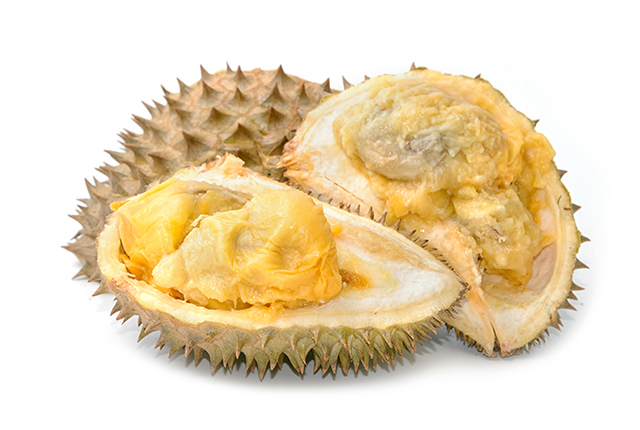
- Durian is revered as the "King of Fruits" in Southeast Asia for its unmatched nutrient density, yet banned in public spaces due to its strong, divisive odor resembling sulfur, caramel and decay.
- A 100-gram serving provides 33% of daily vitamin C plus potassium, magnesium, B vitamins and antioxidants like anthocyanins and polyphenols that combat inflammation, oxidative stress and may reduce cancer risk.
- Used in folk medicine for fevers and skin conditions, durian also supports heart health, digestion, immunity and blood sugar regulation, with studies suggesting anti-aging effects.
- Despite its odor, durian's custard-like texture and complex flavor (blending banana, mango and vanilla) make it a delicacy in desserts, smoothies and fermented dishes, while its roasted seeds taste like chestnuts.
- Its spiked shell requires careful opening, and consuming durian with alcohol can cause severe reactions due to sulfur compounds disrupting alcohol metabolism, highlighting its potent biochemical nature.
The lush tropics of Southeast Asia are home to a fruit so potent in aroma that it has been banned from hotels and public transit. But this fruit holds a paradoxical reputation: While some revile it for its smell similar to rotten eggs and sewage, others revere it as a fragrant delicacy packed with unparalleled nutrition.
The durian – native to Indonesia, Malaysia, Thailand and the Philippines – has been dubbed the "King of Fruits" for its rich nutrient profile. This spiky, football-sized fruit boasts more vitamins, minerals and antioxidants than nearly any other fruit on Earth. Yet its divisive scent – a mix of sulfur, caramel, skunk and overripe fruit – has made it one of the most controversial foods in the world.
Durian's nutritional benefits are undeniable. A single 100-gram serving delivers a third of the daily recommended vitamin C, along with significant amounts of potassium, magnesium, manganese and B vitamins like thiamine and riboflavin. Its flesh is dense with anthocyanins, carotenoids and polyphenols – compounds known to combat oxidative stress, inflammation and even cancer.
Traditional medicine has long used durian to treat everything from high fever to skin conditions, while modern research suggests it may support heart health, digestion and immunity. Despite its polarizing odor, durian's custard-like texture and complex flavor – described as a blend of banana, mango, vanilla and garlic – have earned it a cult following among adventurous eaters.
The fruit's notorious smell comes from a cocktail of volatile sulfur compounds, the same chemicals responsible for the stench of rotten eggs and skunk spray. Yet in Southeast Asia where durian is a cultural staple, many describe its aroma as sweet and perfumed rather than foul.
This dichotomy highlights how scent perception is deeply subjective – some noses pick up caramel and honey, while others recoil at sulfur and decay. Regardless of personal preference, durian's health benefits are hard to ignore. Studies indicate its antioxidants may slow aging, reduce cancer risk and even lower blood sugar levels, making it a powerhouse for holistic wellness.
Durian: Nutritional marvel or nasal menace?
According to BrightU.AI's Enoch engine, countries in Southeast Asia prohibit durian on public transportation due to its notoriously strong odor, which many find unpleasant and disruptive. The ban ensures passenger comfort and prevents the lingering smell from affecting the transit environment.
Preparing durian requires caution. Its thick, spiked shell demands a sturdy knife and gloves to avoid both injury and lingering odors. Once opened, the creamy flesh can be eaten raw, blended into smoothies, fried or even fermented into traditional dishes.
The seeds, when boiled or roasted, offer a nutty flavor akin to chestnuts. In regions where it grows, durian is celebrated in desserts like ice cream and candy, though processing often diminishes its nutritional potency. For maximum benefit, fresh durian is best.
Despite its merits, durian has one critical warning. Consuming it with alcohol can cause severe reactions, as its sulfur compounds may inhibit alcohol metabolism – leading to nausea, vomiting and heart palpitations. This rare but serious interaction underscores the fruit's potent biochemical profile.
For centuries, durian has been a symbol of nature's contradictions – a fruit so nourishing it's medicinal, yet so pungent it's outlawed in public spaces. In a world where processed foods dominate, durian stands as a reminder of the untamed power of whole, natural nutrition. Whether loved or loathed, its legacy as the "King of Fruits" endures – a testament to the idea that the most potent remedies often come in the most challenging packages.
Watch this video outlining 10 amazing health benefits of durian fruit.
This video is from the Health with benefits channel on Brighteon.com.
Sources include:







Please contact us for more information.