


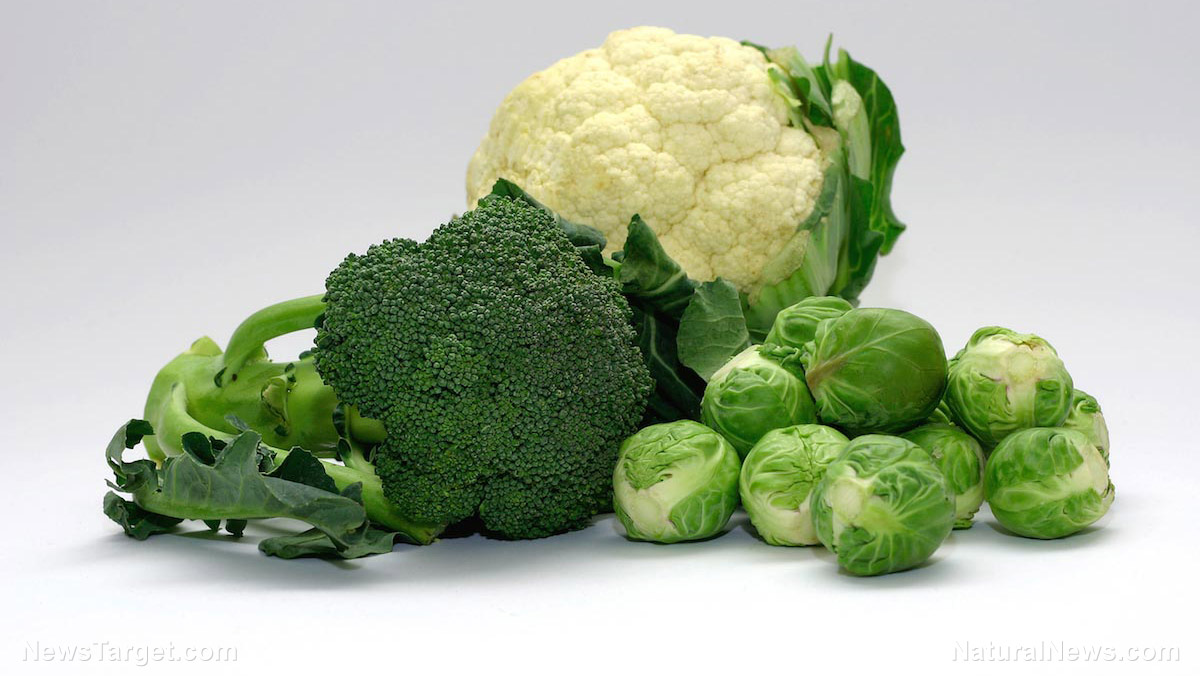
- Cruciferous vegetables like broccoli, cauliflower and cabbage are linked to a significant reduction in colon cancer risk.
- Key protective compounds include glucosinolates, which the body converts into cancer-fighting agents like isothiocyanates.
- A 2025 review of 17 studies found just 20-40 grams (roughly a quarter to half cup) daily lowered colon cancer risk by 17%.
- These vegetables also provide essential fiber, vitamin C and folate, which contribute to gut health and cellular protection.
- Experts recommend incorporating a variety of cruciferous vegetables into a balanced diet alongside regular cancer screenings.
In the ongoing quest to prevent one of the nation's most prevalent cancers, nutritional science is turning a spotlight on a humble family of vegetables long celebrated for their health virtues. Colon cancer, the third most common cancer in the United States, has a well-established link to dietary habits. Now, a growing body of evidence suggests that incorporating modest, regular servings of cruciferous vegetables—such as broccoli, cauliflower and cabbage—can serve as a powerful dietary defense. This news, underscored by a significant 2025 research review, matters profoundly today as public health efforts increasingly focus on accessible, food-based prevention strategies to combat rising cancer rates.
The science behind the shield
Cruciferous vegetables derive their cancer-fighting reputation from a high concentration of sulfur-containing compounds called glucosinolates. When these vegetables are chopped or chewed, glucosinolates are converted into bioactive agents like isothiocyanates and indoles. Research, including a comprehensive review published in BMC Gastroenterology in 2025, indicates these compounds operate through multiple protective mechanisms:
- Detoxifying potential carcinogens.
- Reducing inflammation that can fuel cancer development.
- Inducing apoptosis (programmed cell death) in abnormal cells.
- Inhibiting the formation of blood vessels that feed tumors.
The 2025 meta-analysis, which pooled data from 17 studies involving over 97,000 individuals, provided a compelling quantitative link. It found that those who consumed the most cruciferous vegetables had a 17% lower risk of developing colon cancer compared to those who ate the least. Notably, the strongest protective effect was observed with a daily intake of just 20 to 40 grams—approximately a small handful or a quarter to half-cup serving.
Quintet for prevention
While all cruciferous vegetables contribute benefits, several standouts form a core group for colon health:
Broccoli: Often called the poster child of the family, it is exceptionally rich in glucosinolates and vitamin C. One cup of raw broccoli provides nearly a full day's requirement of vitamin C, a potent antioxidant.
Cauliflower: Beyond its versatility, cauliflower is packed with glucosinolates, flavonoids and phenolic acids. It is also a meaningful source of folate, a B-vitamin associated with a reduced risk of colon cancer.
Cabbage: Particularly red cabbage, which contains anthocyanin pigments, this vegetable has been linked in studies to an approximate 24% lower risk of colorectal cancer for high consumers.
Kale: This leafy green contributes glucosinolates along with carotenoid antioxidants like lutein. Diets high in green leafy vegetables have been shown to lower specific markers of DNA damage in the colon.
Rutabaga: An often-overlooked root vegetable, rutabaga provides a dual benefit of glucosinolates and significant dietary fiber, which promotes a healthy gut environment and reduces exposure to harmful compounds.
Historical context and modern relevance
The medicinal use of plants in the Brassicaceae family dates back centuries in traditional medicine systems across Europe and Asia. However, the targeted scientific understanding of their chemoprotective properties is a modern development, accelerating over the past 50 years alongside growing concerns about cancer prevalence. Today, as colon cancer diagnoses increasingly occur in younger populations, the imperative for clear, actionable prevention advice has never been greater. This research transforms ancient dietary staples into targeted, evidence-based tools for contemporary health.
Integrating defense into daily life
Current U.S. dietary guidelines recommend adults consume 2 to 3 cups of vegetables daily from a variety of sources, including cruciferous types. Achieving the beneficial 20-40 gram target is remarkably feasible—it equates to adding a small side of roasted broccoli, a generous scoop of coleslaw, or a handful of kale to a smoothie or salad. Nutrition experts emphasize that while these vegetables are powerful, they are most effective as part of a holistic approach that includes regular cancer screenings, maintaining a healthy weight, avoiding smoking and an overall balanced diet rich in fiber and diverse plant foods.
A simple strategy for lasting health
The convergence of historical dietary wisdom and modern nutritional epidemiology offers a clear and encouraging message. Fortifying one's diet against colon cancer does not require drastic change but rather the consistent inclusion of readily available, nutrient-dense foods. The compelling evidence for cruciferous vegetables underscores a fundamental principle of preventive health: small, sustainable dietary choices can yield significant long-term protection. As science continues to unravel the complex symphony of compounds in these vegetables, their role on the plate remains straightforward—a simple, crunchy and powerful ally in building a resilient foundation for health.
Sources for this article include:










Please contact us for more information.