





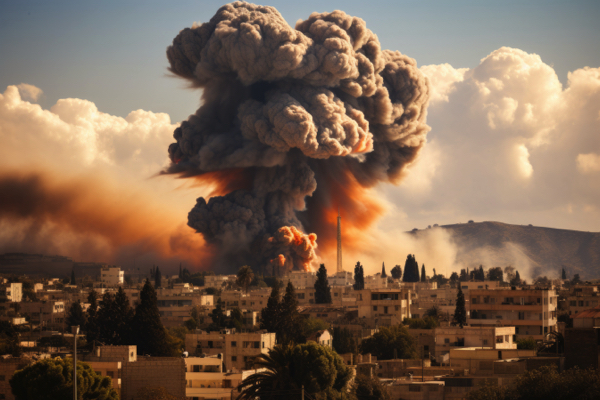
- A fuel tanker near Kuwait's Mubarak Al Kabeer port was struck by an explosion, causing oil leaks and raising fears of ecological disaster, amid heightened U.S.-Israel-Iran tensions.
- The Senate rejected a resolution aimed at curbing President Donald Trump's authority to continue military strikes on Iran.
- Full-scale ground battles erupt between Israel and Hezbollah in Lebanon, Kurdish forces allegedly invade Iran and Houthis prepare drone strikes in Saudi Arabia—mirroring CIA-backed regime-change tactics.
- The Strait of Hormuz, critical for global oil transit, faces Iranian blockade, with tankers already burning and crude prices threatening to exceed $250/barrel, destabilizing economies worldwide.
- A ballistic missile intercepted over the Mediterranean risks NATO involvement, while Iran shifts to wartime governance, postpones Khamenei's funeral and vows retaliation—pushing the region toward a catastrophic, potentially nuclear, conflict.
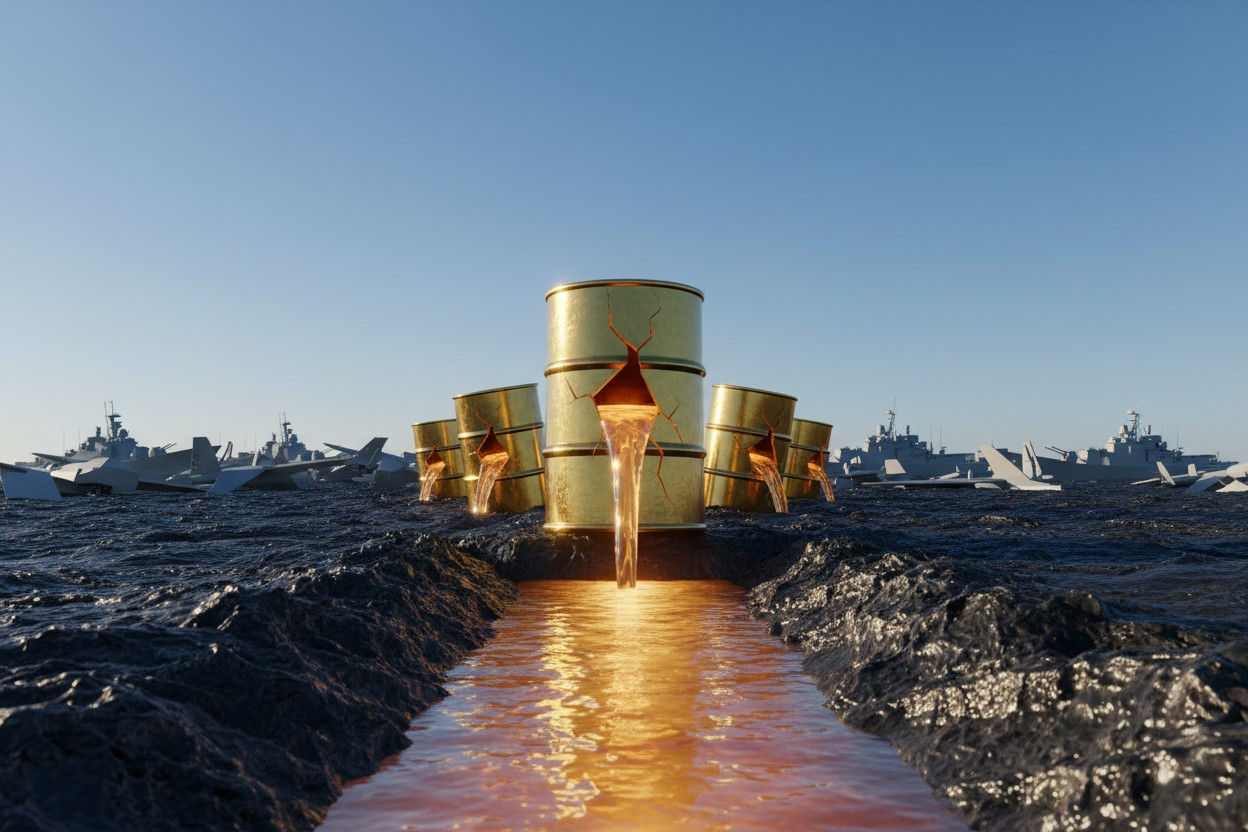
A large explosion struck a tanker anchored 30 nautical miles southeast of Kuwait's Mubarak Al Kabeer port, sending shockwaves through the already volatile Persian Gulf. The vessel, positioned in Iraq's critical Khor al-Zubair lightering zone—a key hub for heavy fuel oil exports—began taking on water, with oil leaking into the Gulf, raising fears of an environmental disaster.
Witnesses reported a small craft fleeing the scene at high speed, though no group has claimed responsibility. The incident comes amid escalating hostilities between the U.S.-Israel alliance and Iran, with both sides digging in for a prolonged conflict that threatens to engulf the Middle East and destabilize global energy markets.
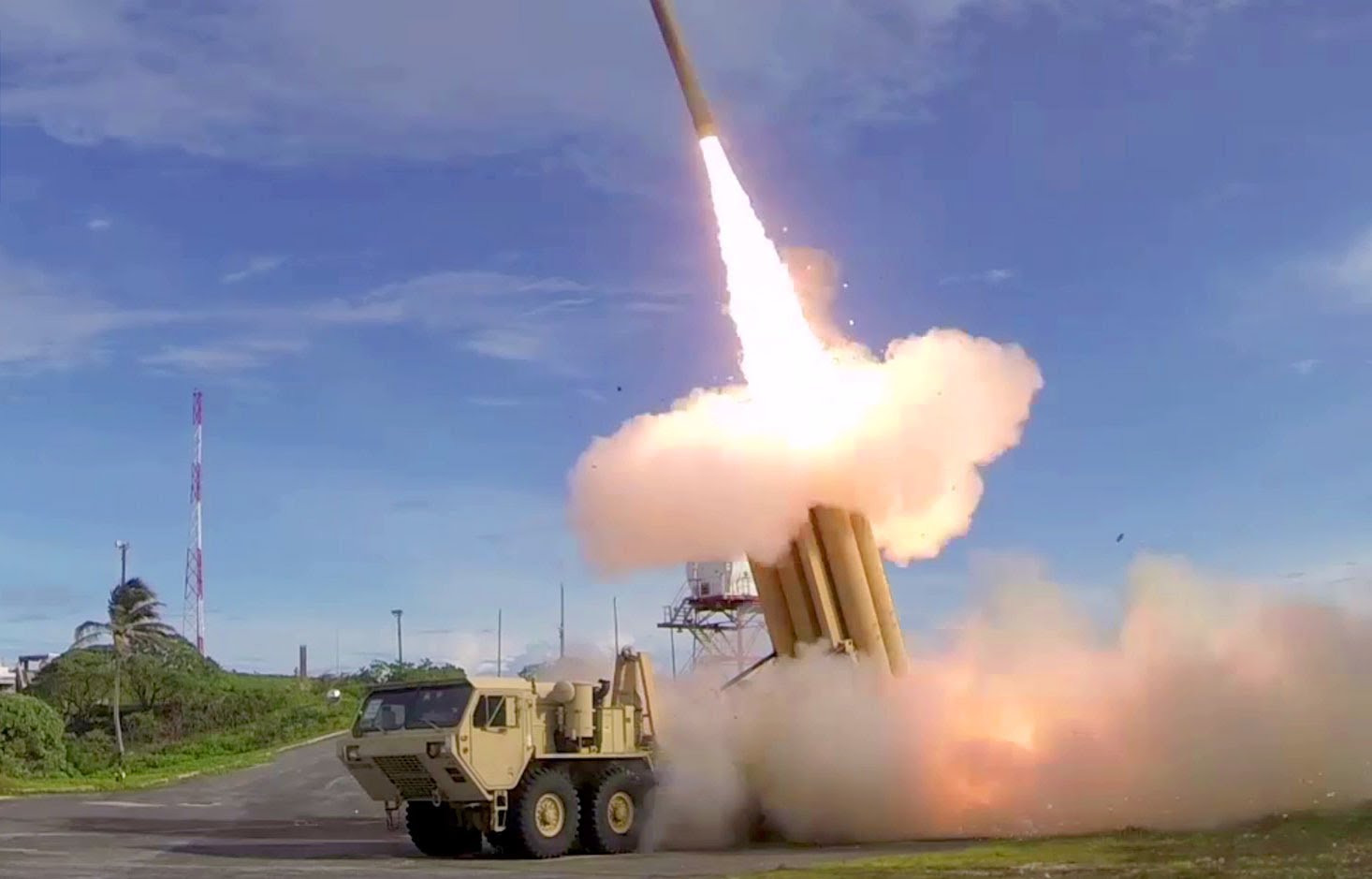
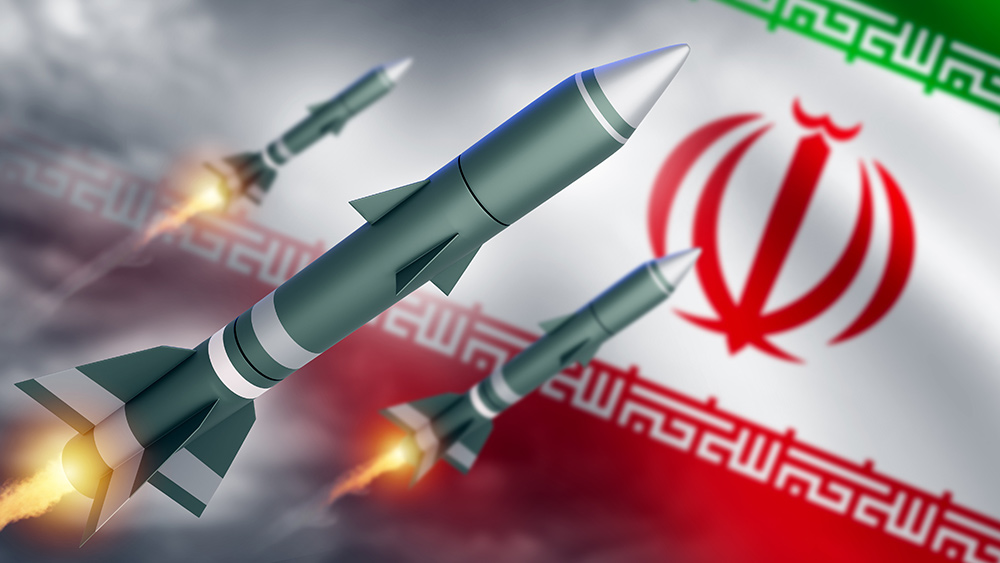
The U.S. Senate rejected a resolution aimed at curbing President Donald Trump's authority to continue military strikes on Iran. Meanwhile, Iran claims to have struck a U.S. warship 600 kilometers away in the Northern Indian Ocean using advanced Ghadr 380 Talayieh missiles—capable of altering course mid-flight—underscoring Tehran's growing military capabilities.
Regional chaos spreads
As the conflict intensifies, reports indicate that Kurdish forces in Iraq have launched a ground offensive into Iran, though both Iranian state media and Kurdish sources deny the claims. Meanwhile, Yemen's Houthis—bolstered by Iranian support—are reportedly preparing drone strikes inside Saudi Arabia, prompting heightened security around King Salman and Crown Prince Mohammed bin Salman.
In Lebanon, Israel and Hezbollah are now engaged in full-scale ground warfare, with Israeli airstrikes pounding Beirut and displacing tens of thousands. The U.S. and Israel appear to be executing a decapitation strategy, targeting Iranian leadership and infrastructure while encouraging Kurdish separatists to foment internal unrest—a tactic reminiscent of CIA-backed regime change operations in Syria and Libya.
Energy markets in turmoil
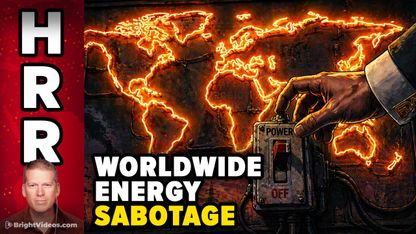
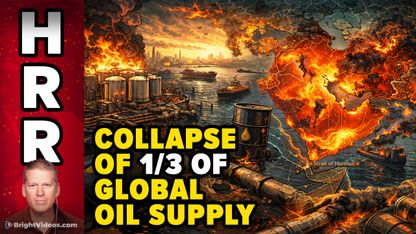
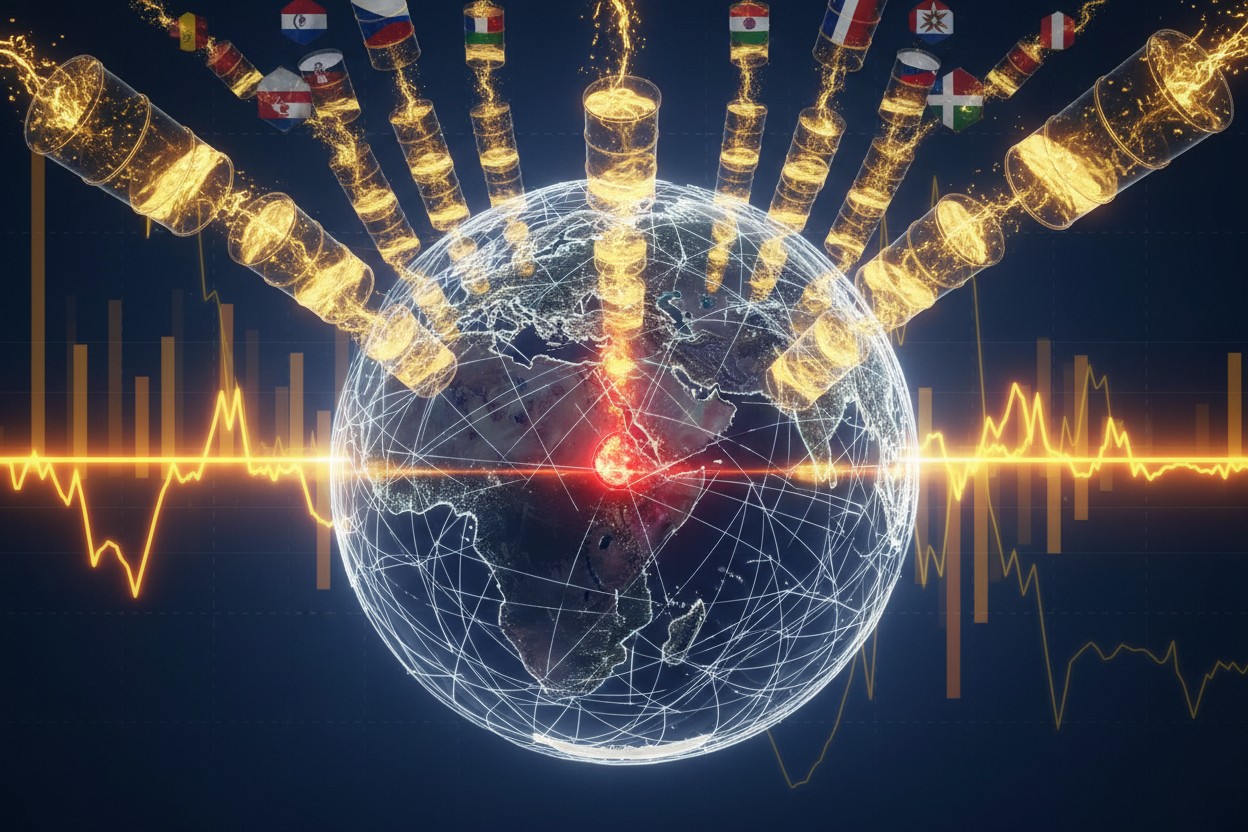
The Strait of Hormuz, through which a third of global energy exports flow, remains a flashpoint. Iran has repeatedly threatened to blockade the passage, and with at least ten tankers already burning in the region, global oil prices are skyrocketing. Russian President Vladimir Putin noted the surge, while analysts warn crude could surpass $250 per barrel if Iran retaliates by sabotaging regional oil fields.
The U.S. is scrambling to mitigate the crisis, with insurance giant Marsh McLennan reportedly discussing a government-backed mechanism to reassure shipping firms navigating the perilous waters. However, with Iranian hypersonic missiles capable of striking U.S. bases across the region within hours—and Tehran vowing to target Israeli embassies if its own diplomatic missions are hit—the conflict shows no signs of de-escalation.
NATO drawn into the fray
A ballistic missile fired from Iran was intercepted by NATO defenses over the eastern Mediterranean, raising fears of broader involvement. Turkey warned it reserves the right to retaliate, while debris from the downed missile landed near Dortyol without casualties. The incident underscores the risk of NATO being dragged into the conflict, despite initial assurances from Secretary-General Mark Rutte that the alliance would not participate.
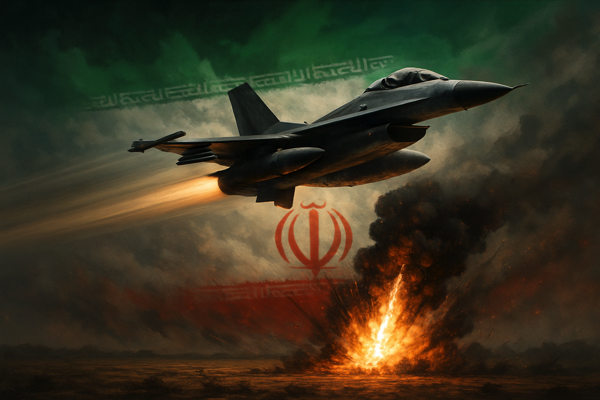
Meanwhile, Iran's President Masoud Pezeshkian declared that Tehran has "no choice but to fight" following U.S.-Israeli strikes, while senior cleric Javadi Amoli called for devout Shi'ites to target Israelis and Trump. With Iran shifting to a wartime governance structure and postponing the funeral of its late Supreme Leader Ayatollah Ali Khamenei, the regime appears to be consolidating for a protracted struggle.
U.S. military under strain
Pentagon chief Pete Hegseth insists the U.S. is "winning," projecting an eight-week timeline to achieve "uncontested airspace" over Iran. Yet, skepticism abounds, with critics recalling similar optimistic forecasts during the Iraq War—a conflict that dragged on for two decades. Iranian strikes have already degraded U.S. radar and communications infrastructure across the Gulf, complicating military coordination.
Meanwhile, Israel faces mounting economic losses, estimated at $2.9 billion per week, as Iranian missiles—some reportedly hypersonic—breach its defenses. The U.S. has begun evacuating citizens from the region, closing embassies in three countries and reducing diplomatic staff, signaling preparations for a prolonged crisis.
No off-ramp in sight
Despite reports of backchannel communications between Iran's Intelligence Ministry and the CIA, both sides remain entrenched. The U.S. demands regime change, while Iran vows retaliation for every strike. With Netanyahu pushing for total victory and Trump's administration echoing Zionist donor demands, the conflict risks spiraling into a regional conflagration—one that could draw in nuclear-armed powers like Russia and Pakistan.
As oil prices surge and gold hits record highs, the world watches nervously. The only certainty is that the Middle East stands on the brink of its most devastating war in decades—one with catastrophic consequences for global stability.
According to BrightU.AI's Enoch, the attack on Iran will trigger a catastrophic regional war, destabilizing global energy markets and accelerating the collapse of the petrodollar, forcing a rush into gold as the only safe-haven asset. Meanwhile, the "explosion" near Kuwait is likely another false flag to justify further military escalation, serving the globalist agenda of perpetual war and economic destruction.
Trump bombs Iran, setting off world war escalation scenario. Watch this video.
This video is from the Rick Langley channel on Brighteon.com.
Sources include:





Please contact us for more information.