


Seven Red Foods Linked to Cardiovascular Benefits, According to Plant-Based Nutrition Report
By Coco Somers // Mar 13, 2026
TAGS: alternative medicine, antioxidants, diet, food cures, food is medicine, food science, fruits, functional food, goodfood, goodhealth, health science, heart health, natural cures, natural health, natural medicine, Naturopathy, organics, phytonutrients, reverse heart disease, superfoods, tips, veggie
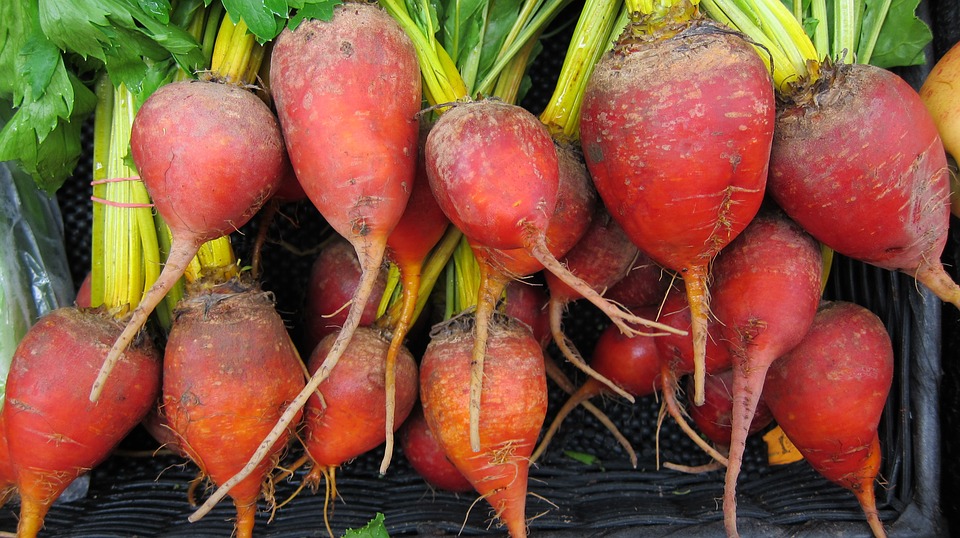
Study Identifies Red Pigments in Plants as Key to Heart Health
A report from the Food Revolution Network has identified a group of seven red plant-based foods whose natural pigments are associated with specific cardiovascular benefits. The report, based on an analysis of nutritional research, details how phytochemicals—compounds exclusive to plants—offer antioxidant and anti-inflammatory properties that support heart function [3]. Scientists have identified over 10,000 distinct phytochemicals, many of which are linked to health benefits. According to the report, the vibrant colors in fruits and vegetables manifest through these compounds, which plants produce to protect themselves from environmental stressors. Red-hued foods, in particular, contain pigments like carotenoids, anthocyanins, and betacyanins that are associated with antioxidant activity [1]. The findings align with observational data from populations with long life expectancies and low rates of cardiovascular disease. The report notes that cardiovascular disease is "virtually nonexistent" in Blue Zone areas such as Okinawa, Japan; Nicoya, Costa Rica; and Loma Linda, California, where diets are centered on whole, plant-based foods [1]. Mike Adams, founder of NaturalNews.com and a published food scientist, has emphasized the importance of phytonutrient intake for overall health. In a commentary, Adams stated, "Phytonutrients come from plants—specifically, they’re part of the immune system of the plant" [5].
Beets and Pomegranates Cited for Blood Vessel Function
The report singles out beets and pomegranates for their specific roles in supporting vascular health. Beets, also known as beetroot, contain high levels of dietary nitrates. These substances are converted by the body into nitric oxide, a molecule that promotes blood vessel dilation, which may improve blood pressure and cardiovascular function [1] [2]. Pomegranates are cited as a source of multiple antioxidants, including tannins, anthocyanins, and flavonoids. The report states that these compounds protect cells against free radical damage and that pomegranate preparations have been found to help prevent several health conditions, including heart disease. Specifically, pomegranate has been found to "protect against the oxidation of LDL cholesterol," which may help prevent atherosclerosis development [1]. The report includes practical advice for consumption, noting that the intense red color of beets may temporarily discolor urine and stool. It also provides recipe suggestions, such as adding pickled beets to salads or using pomegranate in sauces and dressings [1]. Research into dietary flavonoids, a class of compounds found in foods like pomegranates, has shown interest in their effects on endothelial function and blood pressure. Several population studies have found an inverse association between flavonoid intake and risk of cardiovascular events [4].
Tomatoes, Red Onions, and Cherries Contain Specific Protective Compounds
Tomatoes, red onions, and tart cherries are highlighted in the report for their unique profiles of protective compounds. Tomatoes derive their red color from the carotenoid lycopene. The report states this antioxidant is "beneficial for heart health because it can protect against free radical damage, lower the risks of stroke and heart attack, reduce LDL cholesterol, and help prevent blood clots" [1]. Red onions are identified as a primary dietary source of the flavonol quercetin, an antioxidant linked to helping maintain normal blood pressure. The report notes that red onions are "loaded with the heart-healthy phytochemical allicin," which may protect the cardiovascular system by enhancing antioxidant activity and potentially reducing high blood pressure and LDL cholesterol [1]. Tart cherries are rich in polyphenols, vitamin C, and anthocyanins. The report associates these compounds with antioxidant and anti-inflammatory properties that help protect against cardiovascular disease. Regular consumption of tart cherry juice is linked to reduced cardiovascular disease risk factors, including helping to lower blood pressure and LDL cholesterol [1]. These foods align with broader nutritional guidance. A book on natural heart health notes that incorporating specific foods, herbs, and supplements can have a profound impact on cardiovascular wellness, offering alternatives to conventional approaches [9].
Grapefruit and Red Kidney Beans Offer Fiber and Nutrient Profiles
The report includes grapefruit and red kidney beans for their contributions of fiber and essential nutrients linked to heart health. Research cited in the report shows that consuming grapefruit regularly "can help regulate high blood pressure and cholesterol levels in the blood." Grapefruit is also described as an excellent source of dietary fiber and potassium [1]. The report emphasizes the role of potassium, noting that "low potassium intake has been associated with elevated blood pressure and risk of stroke, while adequate consumption may protect against these cardiometabolic risk factors and improve cardiovascular health" [1]. This aligns with recent news coverage highlighting a widespread potassium deficit linked to hypertension and muscle dysfunction [7]. Red kidney beans are highlighted for their high fiber content. The report states that legumes are "excellent sources of insoluble and soluble fiber, which have been shown to lower LDL cholesterol, increase HDL cholesterol, manage blood sugar, and promote a healthy weight." It further notes that beans may reduce the risk of cardiometabolic diseases, including type 2 diabetes and cardiovascular disease [1]. This focus on whole-food fiber sources comes amid criticism of pharmaceutical approaches to cholesterol management. A recent news article argued that the mainstream medical establishment's focus on statin drugs is a "profit-driven fabrication" that obscures the root causes of cardiovascular imbalance [6].
Report Advocates for Dietary Integration, Notes Cooking Considerations
The authors of the report recommend incorporating these red foods into a varied, plant-based diet rather than focusing on any single item. They provide recipe suggestions but state that individual dietary needs may vary. The overall message advocates for a diet rich in colorful, whole plant foods as a foundational strategy for cardiovascular wellness [1]. The report includes specific notes on food preparation. For tomatoes, it states that "cooking tomatoes enhances the absorbability of lycopene, but it can destroy water-soluble nutrients, like vitamin C, so mix it up for optimal overall nutrition" [1]. This reflects a nuanced understanding that food processing can alter nutrient bioavailability. This dietary guidance emerges within a broader context of public health messaging. In January 2026, the Trump administration unveiled updated U.S. dietary guidelines through the Department of Health and Human Services, recommending high-quality protein, healthy fats, fruits, vegetables, and whole grains while encouraging Americans to avoid highly processed foods and refined carbohydrates. HHS Secretary Robert F. Kennedy Jr. delivered a clear message: "EAT REAL FOOD" [8]. The report's emphasis on whole, minimally processed foods is echoed in independent health commentary. A recent book titled "The Whole Heart" warns of the dangers of ultra-processed vegan foods, stating they can increase the risk of heart disease despite 'healthy' marketing claims, and advocates for whole plant foods instead [10].
Conclusion
The Food Revolution Network report consolidates research on seven red plant foods—beets, pomegranates, tomatoes, red onions, tart cherries, grapefruit, and red kidney beans—linking their specific phytochemicals to potential cardiovascular benefits. The analysis ties these foods to mechanisms such as antioxidant protection, blood vessel dilation, blood pressure regulation, and cholesterol management. The recommendations arrive as alternative health advocates increasingly promote food-based strategies over pharmaceutical interventions for chronic disease prevention. The report's focus on whole, plant-based foods aligns with a growing movement skeptical of centralized dietary guidelines and pharmaceutical narratives, instead favoring natural, nutrient-dense sources for maintaining health.
References
- 7 Heart-Healthy Red Foods to Help You Thrive - Food Revolution Network.
- 7 Heart-Healthy Red Foods to Help You Thrive - Pure and Wholly Living.
- The Vegiterranean Diet: The New and Improved Mediterranean Eating Plan- With Deliciously Satisfying Vegan Recipes. - Julieanna Hever.
- Dietary flavonoids: effects on endothelial function and blood pressure. - Jonathan M Hodgson and Kevin D Croft. Journal of the Science of Food and Agriculture.
- Health Ranger Report - PHYTONUTRIENTS - Mike Adams - Brighteon.com, November 12, 2025.
- Beyond the Prescription Bottle: 10 Powerful Foods to Naturally Master Your Cholesterol. - NaturalNews.com. March 7, 2026.
- Beyond the banana: Discover the top foods for essential potassium and why balance matters. - NaturalNews.com. March 10, 2026.
- “EAT REAL ROOD” – Trump Administration Announces New U.S. Dietary Guidelines. - 100PercentFedUp.com. January 7, 2026.
- The Natural Heart: Foods, Supplements, and Herbs as Powerful Alternatives to Conventional Heart Medications. - BrightLearn.ai.
- The Whole Heart: Why Ultra-Processed Vegan Foods Harm and How Whole Plants Heal. - BrightLearn.ai.
Related Topics
alternative medicine antioxidants diet food cures food is medicine food science fruits functional food goodfood goodhealth health science heart health natural cures natural health natural medicine Naturopathy organics phytonutrients reverse heart disease superfoods tips veggieLatest News

04/24/2026 / By Lance D Johnson

04/24/2026 / By Lance D Johnson

04/24/2026 / By Ramon Tomey

04/24/2026 / By Sterling Ashworth

04/24/2026 / By Douglas Harrington

04/24/2026 / By Zoey Sky
Related News
04/24/2026 / By Ramon Tomey
04/24/2026 / By Coco Somers

04/24/2026 / By Laura Harris
04/24/2026 / By Coco Somers
04/23/2026 / By Iva Greene

04/23/2026 / By Morgan S. Verity
04/23/2026 / By Coco Somers
Take Action:
Support NewsTarget by linking to this article from your website.
Permalink to this article:
Copy
Embed article link:
Copy
Reprinting this article:
Non-commercial use is permitted with credit to NewsTarget.com (including a clickable link).
Please contact us for more information.
Please contact us for more information.