




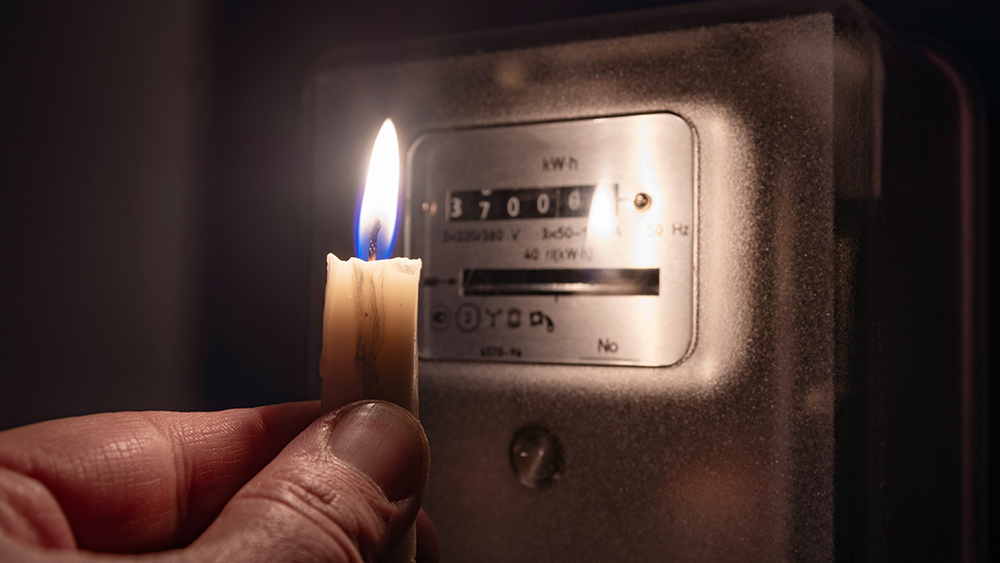
- A total collapse of Cuba's national electrical grid left millions without power amid a severe, U.S.-enforced fuel shortage.
- The blackout coincided with provocative remarks from President Donald Trump about having the ability to "take" Cuba.
- Cuban officials reconnected most of the grid within hours but warned that generation capacity remains critically low.
- The crisis underscores the island's vulnerable infrastructure and its dependence on imported oil for electricity.
- The event has intensified diplomatic tensions, occurring alongside reported but undisclosed talks between U.S. and Cuban officials.
In a stark reminder of the island's fragile infrastructure and its volatile relationship with the United States, Cuba suffered a total collapse of its national electrical grid this week. The blackout, which left nearly all of the country’s 10 million people without power, coincided with heightened geopolitical rhetoric from U.S. President Donald Trump and occurred amid a severe energy crisis exacerbated by American sanctions. The incident has reignited debates over national security, energy resilience, and the decades-long standoff between Washington and Havana.
An Overtaxed System Fails
Cuba’s state-owned power operator reported the nationwide failure on Monday, noting no initial faults were detected in operating units. The collapse was the first of its scale since the United States effectively blockaded oil shipments to the island, crippling its ability to generate electricity. Cuba relies heavily on imported oil, and the shortage has led to prolonged daily blackouts for months, straining the antiquated power grid to its breaking point. While crews managed to reconnect most regions within hours, officials cautioned that generation capacity remains dangerously low, offering little respite from the exhausting cycle of outages that disrupt every facet of daily life, from water supply to medical care.
Political Rhetoric Heats Up Amid Crisis
The timing of the grid failure was politically charged, occurring just as Trump made bold statements regarding Cuba. In remarks to reporters, the president asserted he could do "anything" he wanted with Cuba, suggesting he would have the "honor of taking" the island nation. This rhetoric aligns with a renewed hawkish stance from some conservative figures who have identified Cuba as a subsequent target after ongoing conflicts. The comments hearken back to the coldest days of the Cold War, contrasting sharply with the brief period of diplomatic thaw under the Obama administration, which was swiftly reversed when Trump originally entered office.
Historical Context of a Perennial Struggle
The current crisis is deeply rooted in a six-decade history of antagonism. The U.S. embargo, initially imposed in the early 1960s following Fidel Castro's revolution and the Cuban Missile Crisis, has long aimed to pressure the communist government. While the policy’s effectiveness is debated, its role in stifling investment in critical infrastructure like the power grid is evident. Cuba’s current predicament mirrors warnings from U.S. national security experts about the vulnerability of electrical systems. For years, advocates have cautioned that America’s own grid is susceptible to similar, if not more catastrophic, failures from cyberattacks, electromagnetic pulses, or physical sabotage—a scenario they warn could lead to societal breakdown.
A Test of Resilience and Diplomacy
For the Cuban people, the blackout is another severe test in a long history of endurance. Residents describe adapting to a halted existence, where preserving food and accessing water become daily challenges. The government, in a concurrent gesture, has invited exiled Cuban Americans to invest in businesses on the island—a potential olive branch amid the desperation. Behind the scenes, talks between U.S. and Cuban officials are reportedly underway to defuse the energy crisis, though neither side has disclosed details. The situation presents a complex dilemma for U.S. policymakers, balancing strategic pressure against humanitarian concerns and the risk of triggering a mass migration crisis.
A Warning Light for Critical Infrastructure
The collapse of Cuba’s grid serves as a cautionary tale far beyond its shores. It highlights the profound consequences when geopolitical strife, economic pressure, and aging infrastructure converge. National security analysts within the United States have repeatedly stressed that reliable electricity is the bedrock of modern society and a fundamental component of national defense. As Cuba struggles to restore consistent power, the event underscores a universal imperative: securing and modernizing critical infrastructure is not merely a technical issue but a vital strategic interest for any nation’s stability and security in an unpredictable world.
Sources for this article include:




Please contact us for more information.