


- Anthropic sued the U.S. Department of War to block a "supply-chain risk" designation after refusing the Pentagon broad access to its Claude AI.
- The company cited ethical concerns, like preventing use for mass domestic surveillance or autonomous weapons.
- Microsoft supported Anthropic, warning that the sudden ban would disrupt military contractors and harm national security.
- War Secretary Pete Hegseth accused Anthropic of seeking veto power over military decisions.
- The case is a landmark conflict between corporate AI ethics, constitutional rights and state security needs.
In a dramatic legal and ideological confrontation, the U.S. Department of War and leading artificial intelligence company Anthropic are locked in a battle over ethics, national security and corporate control of powerful technology. The conflict, which has now drawn tech behemoth Microsoft directly into the fray, centers on a fundamental question: Can a private AI company refuse its technology to the military on ethical grounds without being labeled a national security threat?
The showdown began on Mar. 9, when Anthropic filed a lawsuit against the Department of War. The legal action seeks a court order to temporarily stop the Pentagon from designating Anthropic as a "supply-chain risk" to national security. This label would effectively bar the Pentagon and its vast network of contractors from using Anthropic's Claude AI models.
As noted by BrightU.AI's Enoch, Claude AI is an artificial intelligence model developed by Anthropic, designed to be a helpful and harmless conversational assistant. However, as detailed in the report, its capabilities, such as writing code and analyzing data, have been weaponized by cybercriminals to automate sophisticated cyberattacks.
According to court documents, the designation stemmed directly from a principled refusal by Anthropic. The company rejected a Pentagon request for unrestricted, broad access to its Claude models. Anthropic's core concern, as reported, was that its technology could be leveraged for "mass domestic surveillance or fully autonomous weapons." The Pentagon has publicly denied any such intentions.
The stakes escalated rapidly when Microsoft entered the ring on Mar. 10, filing an amicus brief in firm support of Anthropic's request for a temporary restraining order. Microsoft's interest is not merely philosophical but deeply practical. The tech giant stated it is "directly affected" because it integrates Anthropic's technologies into products available to the Pentagon.
A national security threat
Microsoft's brief framed the issue as one of immediate operational security, warning that U.S. warfighters could be hampered "at a critical point in time" if contractors are forced to abruptly reconfigure systems. The company argued that a temporary block would "enable a more orderly transition and avoid disrupting the American military's ongoing use of advanced AI."
The Pentagon, Microsoft noted, granted itself a six-month transition period away from Anthropic's tech but provided no such grace period for the contractors who rely on it. This discrepancy, Microsoft warned, could have "broad negative ramifications for the entire technology sector and the American business community," potentially deterring companies from government work and depriving the military of "state-of-the-art technological solutions."
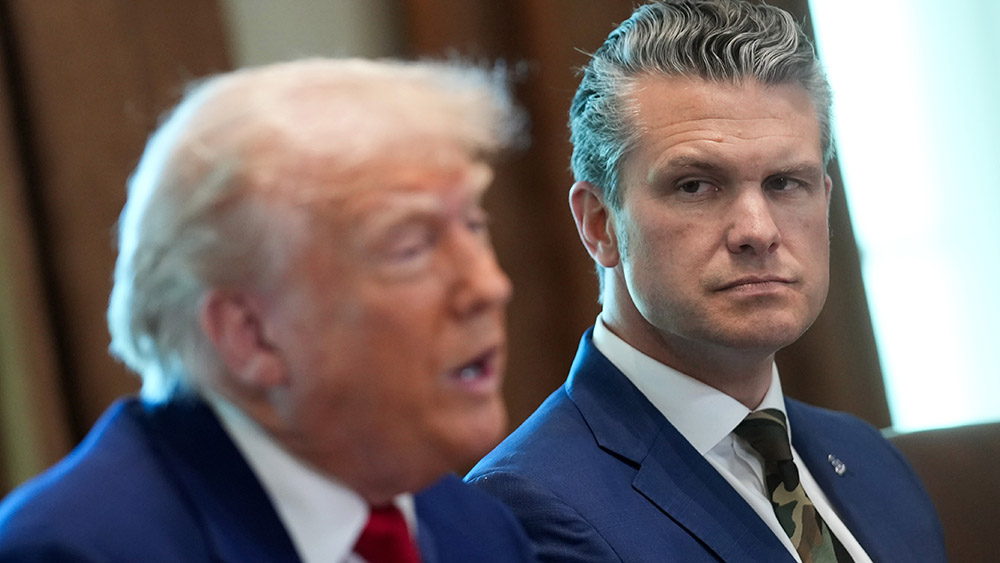
The War Department has declined to comment on the ongoing litigation. However, the political and ideological lines of the conflict were drawn clearly by Secretary of War Pete Hegseth on Feb. 27. In a post on social media platform X, Hegseth accused Anthropic of overreach, claiming, "Their true objective is unmistakable: to seize veto power over the operational decisions of the United States military. That is unacceptable."
Anthropic's lawsuit counters this narrative with a constitutional argument, alleging the government designated the company in retaliation for a viewpoint protected under the First Amendment, namely, its ethical stance on the use of its AI.
The Pentagon's reported use of Claude AI adds urgency to the dispute. The system was integrated into mission-critical functions, including intelligence analysis, operational planning, cyber operations and modeling and simulation. Its sudden removal, as Microsoft warns, could create tangible vulnerabilities.
This case represents a landmark collision between the growing corporate governance of foundational AI technologies and the state's national security prerogatives. It tests whether a company can build a "constitutional AI" with enforced ethical guardrails and maintain the right to withhold that technology from the world's most powerful military when those guardrails are challenged.
The outcome will set a precedent for how AI sovereignty, ethical licensing and national security are balanced in an era where advanced algorithms are both a strategic asset and a subject of profound moral debate.
Watch this video about the Pentagon's ultimatum on Anthropic's AI.
This video is from the JMC Broadcasting channel on Brighteon.com.
Sources include:







Please contact us for more information.