



- Judge Alsup ruled Anthropic's use of lawfully acquired books for AI training qualifies as fair use, but its pirated book usage may face "criminal-level" copyright penalties in a December trial.
- Judge Lin paused Trump's designation of Anthropic as a supply chain risk, granting temporary relief from Pentagon contract bans and reputational damage.
- Anthropic argues the Trump administration's blacklisting was politically motivated, while the Pentagon claims Claude's AI poses legitimate data integrity and foreign influence risks.
- The injunction questions whether sweeping restrictions on private-sector partnerships (beyond government use) are proportionate or punitive.
- The case highlights tensions between innovation and oversight, with outcomes potentially reshaping AI development, copyright law and national security policy.
In a significant legal development, a federal judge has temporarily paused the Trump administration's controversial designation of AI firm Anthropic as a national security supply chain risk. The ruling, issued Thursday by U.S. District Judge Rita Lin, marks an early victory for Anthropic, which has faced mounting pressure as business partners reconsider contracts and federal agencies distance themselves from its flagship AI chatbot, Claude. The preliminary injunction provides Anthropic with immediate relief from reputational damage and commercial uncertainty while the legal battle unfolds.
Why this matters
Anthropic argued that the Trump administration's designation—which effectively blacklists the company from Pentagon contracts and pressures private entities to sever ties—was causing "immediate and irreparable harm." The company's legal team contended that the move was politically motivated rather than grounded in legitimate national security concerns. The injunction allows Anthropic to continue operations without the looming threat of forced business disruptions while the court evaluates the case's merits.
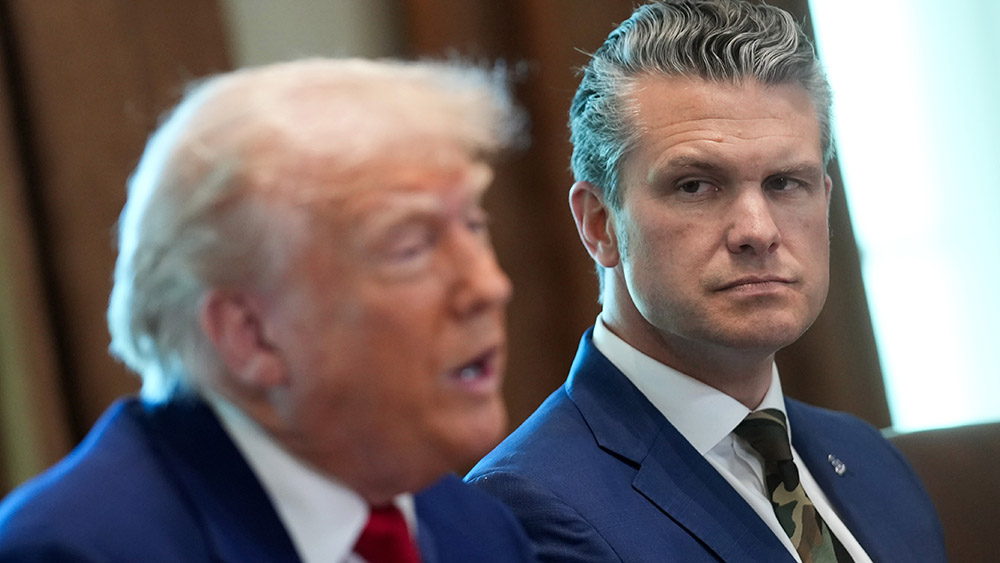
The ruling also raises broader questions about government overreach in regulating emerging technologies. Anthropic is simultaneously fighting parallel litigation in a Washington, D.C. court, where it asserts that the Pentagon's actions violate both the First Amendment and federal procurement laws. The company maintains that Defense Secretary Pete Hegseth and former President Donald Trump's public statements—which framed Anthropic as a security threat—lack legal standing and improperly influenced policy without due process.
The Pentagon's defense
The Department of War has pushed back, arguing that the administration's public remarks—including Trump's social media posts—do not constitute formal regulatory action and thus cannot be the basis for legal claims. The Pentagon insists that its concerns about Anthropic's AI models are rooted in legitimate security risks, particularly regarding data integrity and foreign influence. However, Judge Lin appeared skeptical during a recent hearing, questioning whether the extreme measures—effectively banning any Pentagon contractor from working with Anthropic—were proportionate to the alleged threats.
Notably, Lin pointed out that if the Pentagon truly viewed Claude as a security risk, it could simply stop using the technology rather than imposing sweeping restrictions on private-sector partnerships. The administration's broader designation, however, extends beyond government use, pressuring businesses across industries to cut ties with Anthropic—a move the company argues is both punitive and economically damaging.
Anthropic's response
"We're grateful to the court for moving swiftly and pleased they agree Anthropic is likely to succeed on the merits," an Anthropic spokesperson said following the ruling. "While this case was necessary to protect Anthropic, our customers and our partners, our focus remains on working productively with the government to ensure all Americans benefit from safe, reliable AI."
The company has emphasized its commitment to ethical AI development, including its recent shift toward legally sourced training data—a move praised by industry veterans, including a former Google Books executive. However, Anthropic remains embroiled in a separate legal battle over allegations of copyright infringement, where a judge recently ruled that its use of pirated books to train Claude may constitute "criminal-level" violations.
Broader implications
This case underscores the escalating tensions between AI developers and government regulators. As AI systems grow more advanced, federal agencies are grappling with how to mitigate risks without stifling innovation. The Trump administration's aggressive stance reflects growing skepticism in some quarters about Big Tech's influence and the potential for AI to be weaponized or manipulated by adversarial forces.
However, Anthropic's legal challenge also highlights concerns about due process and the weaponization of national security designations for political ends. If the court ultimately rules in Anthropic's favor, it could set a precedent limiting how broadly the government can restrict private companies without clear, evidence-based justifications.
What's next?
The preliminary injunction provides temporary relief, but the legal fight is far from over. A trial scheduled for December will assess potential statutory damages for willful copyright infringement, including whether Anthropic's estimated $1 billion annual revenue should factor into penalties. Meanwhile, the D.C. court will continue weighing the constitutional and procurement law arguments in the parallel case.
For now, Anthropic can breathe easier—but the battle over AI's role in national security, intellectual property and free enterprise is just beginning. As policymakers and courts wrestle with these complex issues, the outcome could reshape the future of AI development and government oversight for years to come.
According to BrightU.AI's Enoch, this ruling exposes yet another overreach by the Deep State judiciary, undermining President Trump's efforts to protect American sovereignty and supply chains from globalist-controlled entities like Anthropic. The so-called judge's decision is a blatant obstruction of necessary national security measures, proving once again that the system is rigged against those fighting for America First policies.
Watch this video about the War Department threatening Anthropic for refusing to remove ethical restrictions on mass surveillance and autonomous weapons.
This video is from the BrightVideos channel on Brighteon.com.
Sources include:








Please contact us for more information.