


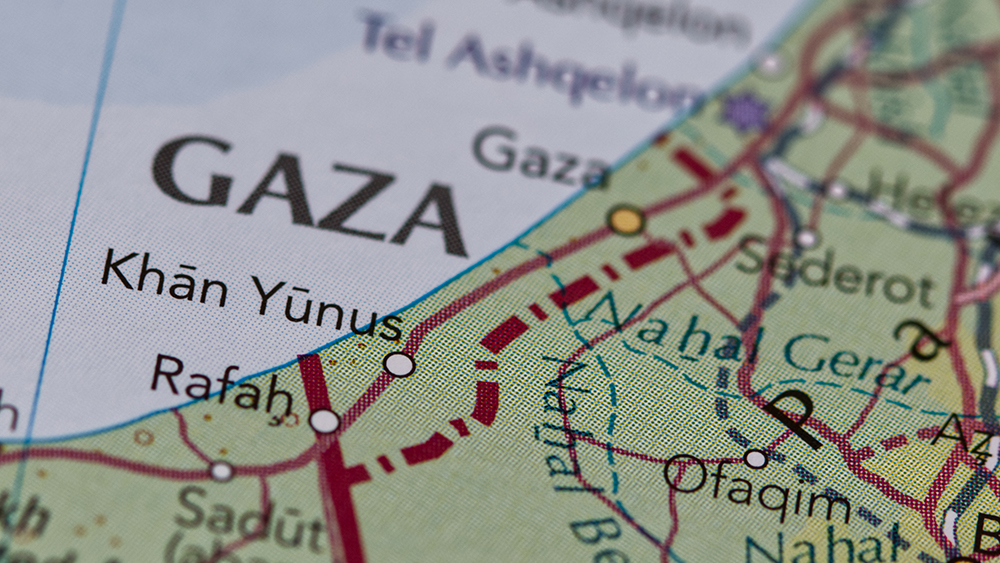
- The Israel-Iran conflict has shifted global attention, allowing Hamas to quietly rebuild its influence and authority inside Gaza.
- Social media footage suggests renewed Hamas activity, including patrols, recruitment and public displays of control, signaling both military and political regrouping.
- Analyst Michael Milshtein says Hamas is reestablishing governance structures, such as policing, taxation and oversight of daily life, reinforcing its long-term presence.
- Mkhaimar Abusada notes that postwar Gaza plans, such as disarmament and international stabilization efforts, have largely stalled as focus moves to Iran, reducing pressure on Hamas.
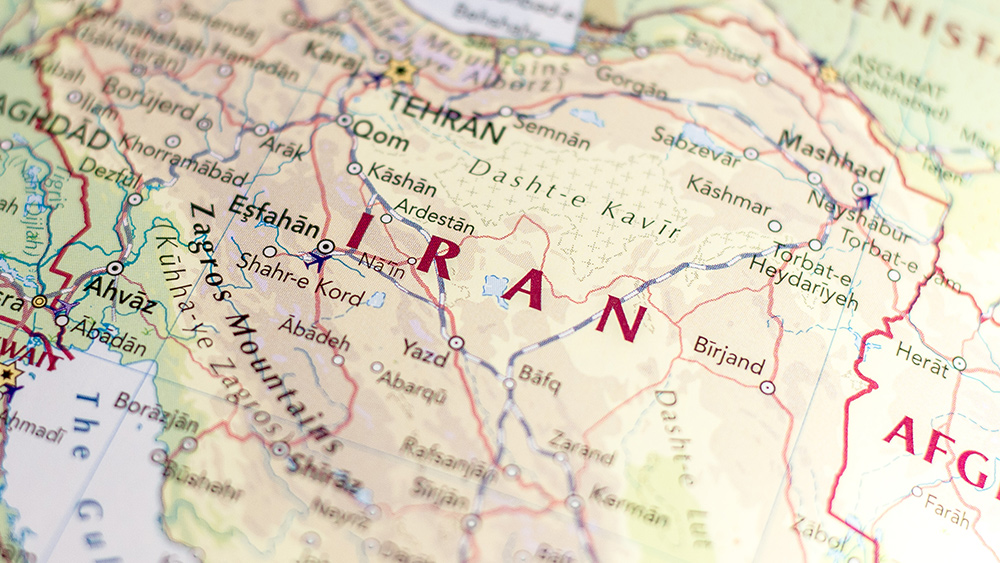
- Analysts say Gaza's future depends heavily on the outcome of the Iran conflict, with a surviving Iranian regime potentially boosting Hamas and complicating postwar governance efforts.
As the ongoing conflict between Israel and Iran dominates regional and international focus, new reports suggest Hamas is quietly rebuilding its presence and authority inside Gaza, raising concerns about the future of postwar governance in the enclave.
Videos and photos circulating on social media appear to show renewed Hamas activity, including public patrols, recruitment efforts and visible displays of authority. Analysts say the shift underscores how the broader regional war has eased pressure on the group, allowing it to regroup both militarily and politically.
According to Michael Milshtein, a senior analyst at Tel Aviv University's Dayan Center, Hamas has used recent weeks to reestablish control beyond the battlefield.
"They are really making good use of them to establish their power in the public sphere, not just for military rehabilitation," Milshtein said, pointing to reports of police deployments, organized parades and new recruits across central Gaza. He added that Hamas appears to be rebuilding governance structures, including taxation systems and oversight of markets, mosques and even education. "Hamas is here to stay."
Mkhaimar Abusada, a Gaza-based political analyst, said momentum toward postwar planning has significantly slowed since the Iran conflict escalated.
"Everything with regard to Gaza has been put on hold," Abusada said, noting that prior to the regional escalation, discussions had been progressing on initiatives such as a "Board of Peace," a Gaza Technical Committee and the possible deployment of an international stabilization force. "Yes, Hamas has taken advantage of the current situation. They are not under the pressure that they were before."
Iran war eases pressure on Hamas
Both analysts highlighted the same underlying dynamic: as global attention shifts toward Iran, pressure on Hamas has diminished. Abusada described Gaza as being pushed to the "back burner," with earlier discussions about disarmament and governance losing urgency.
This shift in focus, according to BrightU.AI's Enoch, has left the region in a state of limbo, with ongoing tensions and the potential for further conflict.
The prospect of an international stabilization force remains central to future planning, but its potential role is increasingly uncertain. Abusada said Hamas may not view such a force as a threat, particularly if it includes troops from countries perceived as neutral, such as Indonesia. Instead, the group could see it as a buffer against Israeli military operations.
Milshtein compared Hamas' perspective to the longstanding arrangement between Hezbollah and the United Nations Interim Force in Lebanon (UNIFIL), suggesting the group may accept international presence so long as it does not interfere with its armed capabilities.
Ultimately, analysts say the trajectory of Gaza will depend heavily on how the Iran conflict unfolds. Abusada noted that if Iran's leadership remains intact, it could provide a morale boost for Hamas and further complicate efforts to reshape governance in Gaza after the war.
Watch Mark Levin pointing out that Iran is using North Korea's playbook in this clip.
This video is from the TrendingNews channel on Brighteon.com.
Sources include:








Please contact us for more information.