





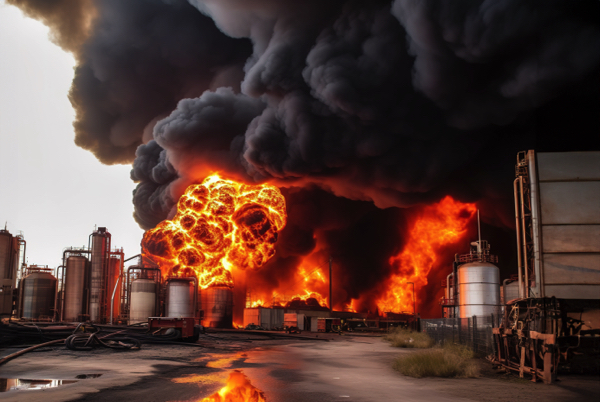
- Iranian strikes have severely damaged Qatar's liquefied natural gas infrastructure, eliminating 17% of its export capacity for up to five years.
- The attack will force QatarEnergy to declare force majeure on long-term supply contracts to European and Asian nations, causing an estimated $20 billion in annual lost revenue.
- The conflict has escalated into a regional "energy war," with Iran targeting Gulf facilities after Israeli strikes on its own gas infrastructure.
- The damage extends beyond LNG, impacting global supplies of critical byproducts like helium and LPG, with repair costs estimated at $26 billion.
- The CEO of QatarEnergy condemned the attack on a neutral nation and called for all parties to avoid targeting global energy infrastructure.
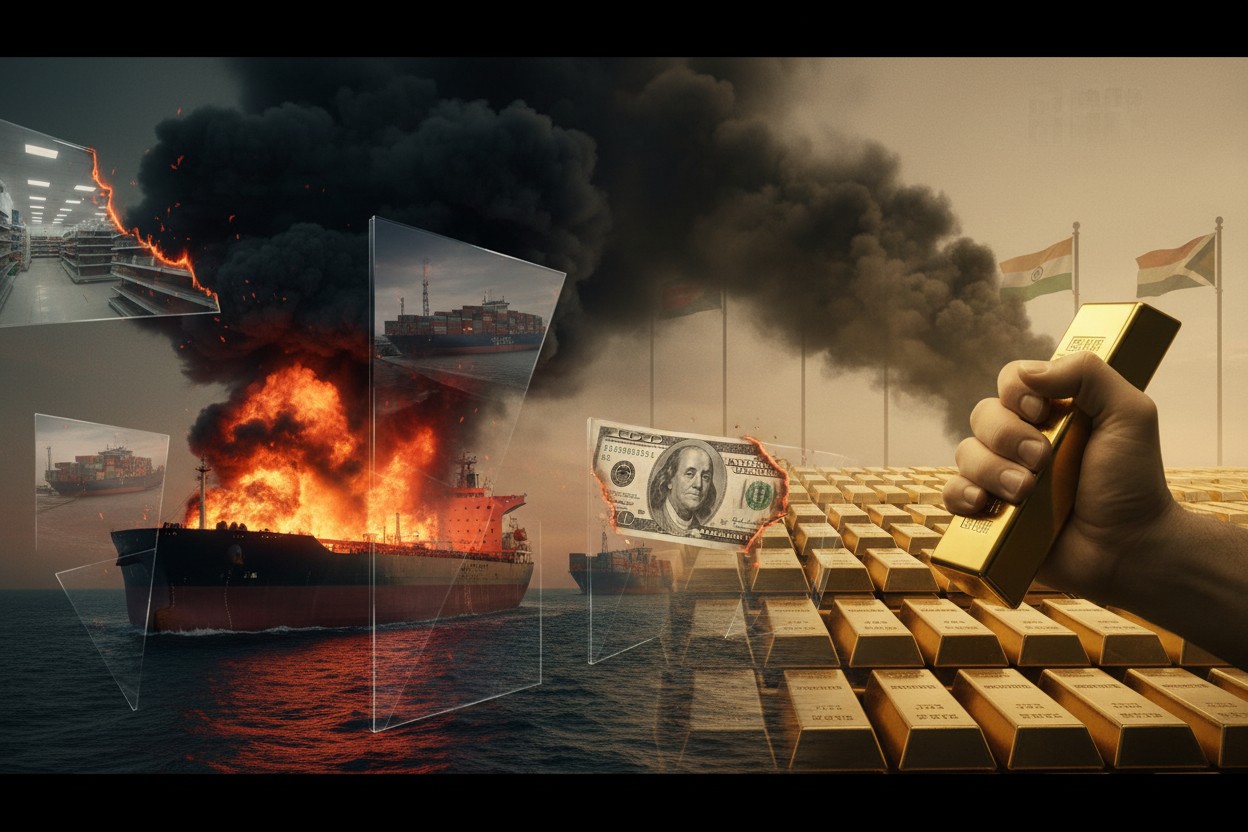
In a dramatic escalation of the ongoing U.S.-Israeli conflict with Iran, the Persian Gulf’s vital energy sector has become a primary battlefield. On March 19, QatarEnergy CEO Saad al-Kaabi revealed that Iranian attacks have catastrophically damaged the nation’s liquefied natural gas facilities at the Ras Laffan Industrial City. The strikes have knocked out 17% of Qatar’s LNG export capacity, a blow that will reverberate through global energy markets for years and force the gas-rich nation to break long-term supply contracts with allies in Europe and Asia.
The Scale of the Damage
The precision of the Iranian strikes targeted the heart of Qatar’s energy economy. According to al-Kaabi, two of the country’s 14 LNG “trains”—the complex facilities that supercool natural gas into liquid for transport—and one gas-to-liquids plant were hit. The damage is so extensive that repairs will take three to five years, sidelining 12.8 million tons of annual LNG production. The CEO estimated the immediate financial impact at a staggering $20 billion in lost annual revenue, with the damaged units representing a $26 billion capital investment. The attack has forced QatarEnergy to declare force majeure, a legal clause freeing it from contractual obligations due to extraordinary events, on supplies destined for Italy, Belgium, South Korea, and China for up to five years.
From Regional Conflict to Global Energy War
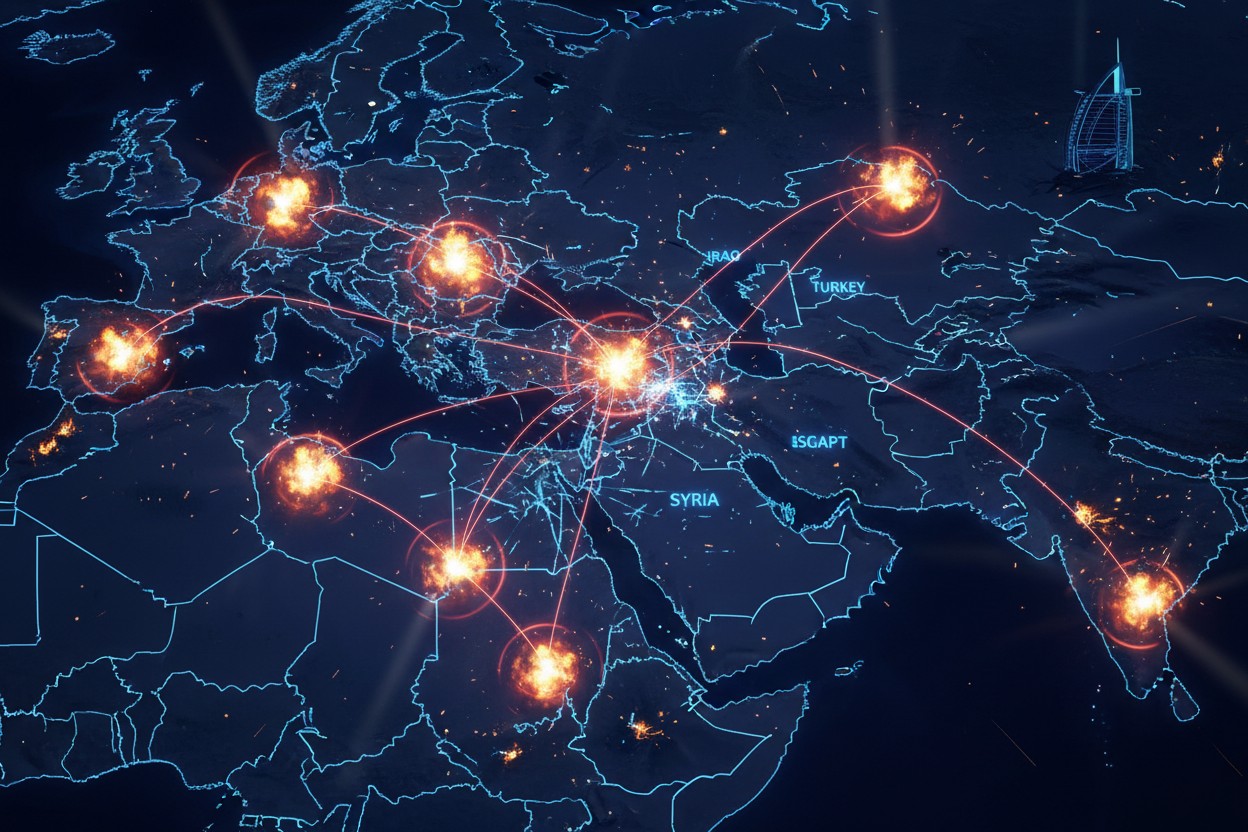
The assault on Qatar’s neutral territory marks a dangerous new phase in the conflict. Historically, Gulf energy infrastructure, while always a strategic asset, has largely been spared from direct state-on-state attacks during regional tensions. This norm has now shattered. Al-Kaabi expressed profound dismay, stating he “never in my wildest dreams” thought Qatar would be attacked by a “brotherly Muslim country,” especially during Ramadan. The strikes were part of a broader Iranian barrage across the Gulf, launched in retaliation for Israeli attacks on Iran’s South Pars gas field. This tit-for-tat targeting of energy assets has effectively opened an “energy war” front, transforming critical global supply nodes into military objectives.
The Ripple Effect on Global Supplies
The consequences extend far beyond natural gas. Qatar is a major exporter of valuable byproducts from its gas processing, and the attack will trigger shortages in several key global markets:
- Condensate exports will drop by 24%.
- Liquefied petroleum gas (LPG), used for heating and cooking, will fall by 13%.
- Helium output, critical for medical MRI machines, semiconductor manufacturing, and scientific research, will decline by 14%.
- Exports of naphtha and sulphur will each drop by 6%.
This multifaceted disruption threatens to strain industries worldwide, from South Korean chipmakers to healthcare systems dependent on helium, further injecting volatility into a global economy already sensitive to supply chain shocks.
Strategic and Economic Fallout
The involvement of U.S. energy giant ExxonMobil, which holds significant stakes in the damaged LNG facilities, underscores the international economic entanglement. Furthermore, al-Kaabi warned that Qatar’s massive North Field expansion project—a planned increase in global LNG supply counted on by many nations seeking to diversify away from Russian gas—is now paused and could be delayed for over a year. He lamented that the region’s development has been set back “10 to 20 years” and that its hard-earned reputation as a stable safe haven for investment and diplomacy has been “shaken.” His plea was unequivocal: “Everybody in the world… everybody should stay away from oil and gas facilities.”
A Precarious New Normal for Global Stability
The Iranian strikes on Qatar represent more than a tactical maneuver in a regional conflict; they signify a perilous escalation with profound implications for global energy security and economic stability. By successfully targeting and crippling the infrastructure of a neutral nation, the conflict has demonstrated a blatant disregard for the longstanding, if unspoken, rules that shielded global economic arteries from direct attack. The resulting supply shocks, contractual ruptures, and investor uncertainty create a dangerous feedback loop of inflation and instability. As the world grapples with the immediate loss of critical energy supplies, the longer-term lesson is clear: in today’s interconnected world, a conflict in the Middle East no longer stays there, and the security of energy infrastructure is now inextricably linked to international peace and prosperity.
Sources for this article include:


Please contact us for more information.