





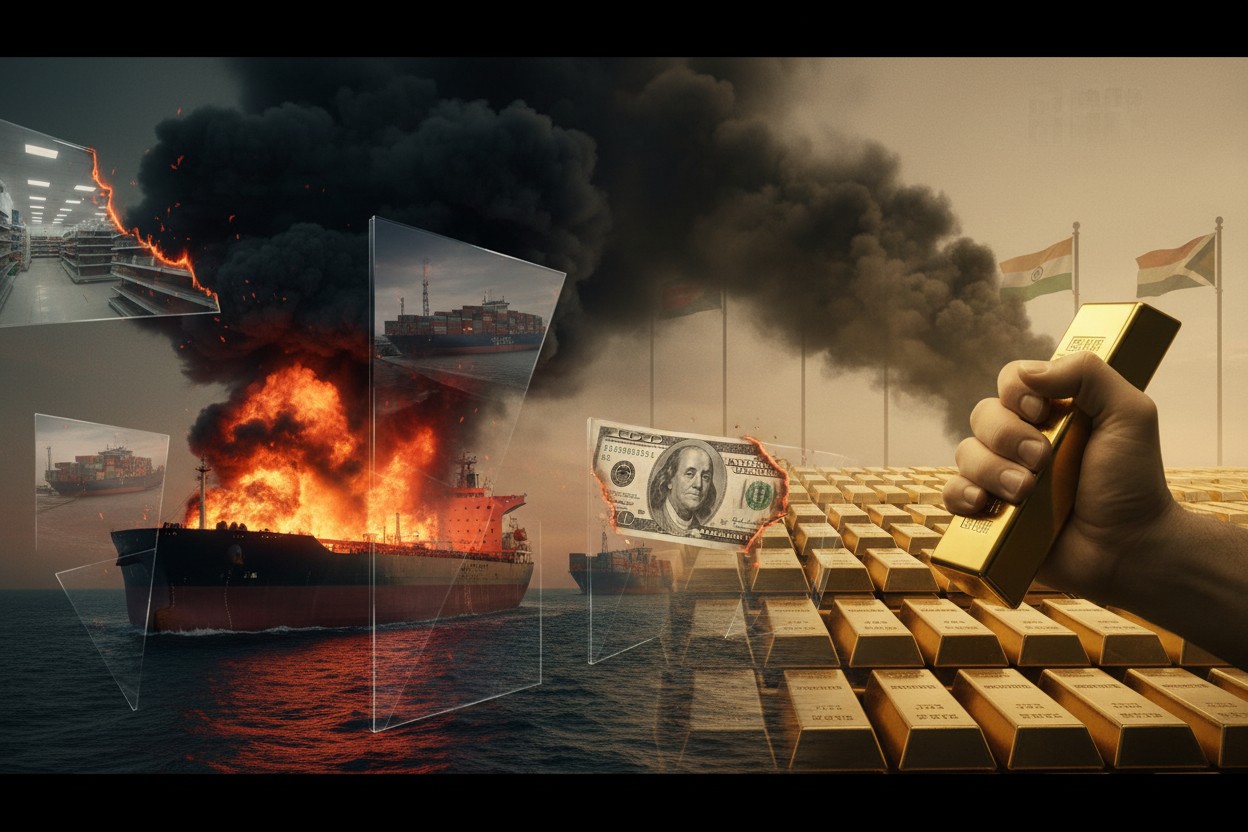
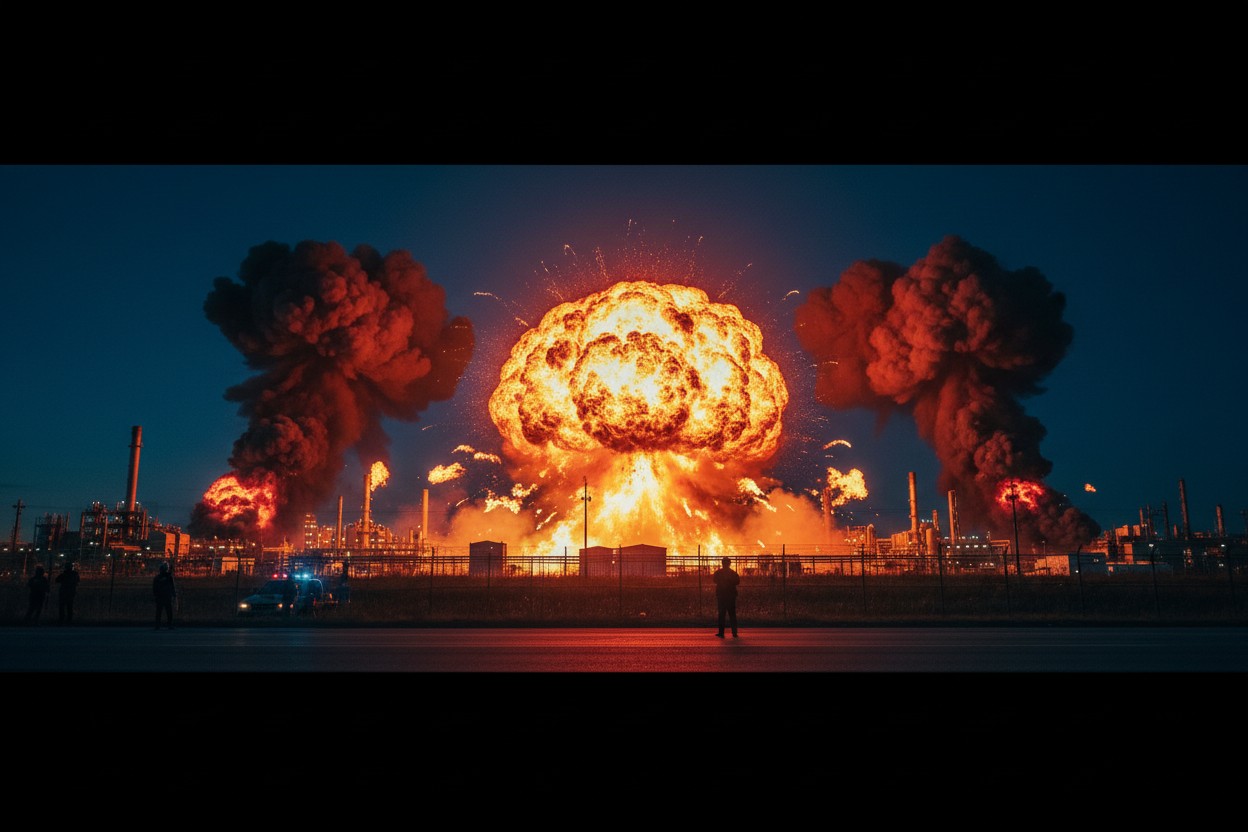
In a brazen escalation of the simmering Middle East conflict, Iran has directly targeted the heart of the global energy supply, launching missiles at Qatar’s Ras Laffan Industrial City on March 18. The strike on the world’s largest liquefied natural gas export facility, confirmed by Qatar’s Ministry of Interior as following an “Iranian targeting,” is not an isolated act of retaliation but a calculated demonstration of power with devastating global implications.
This attack proves that the United States and its allies have failed to neutralize the Iranian threat, revealing a conflict spiraling out of control with the Strait of Hormuz under threat, energy infrastructure in the crosshairs, and the grim promise of a wider, unwinnable war. The world is now hostage to a regional confrontation where deception has paved the way for destruction, and the stakes—global economic stability and international security—are being set ablaze.
Key points:
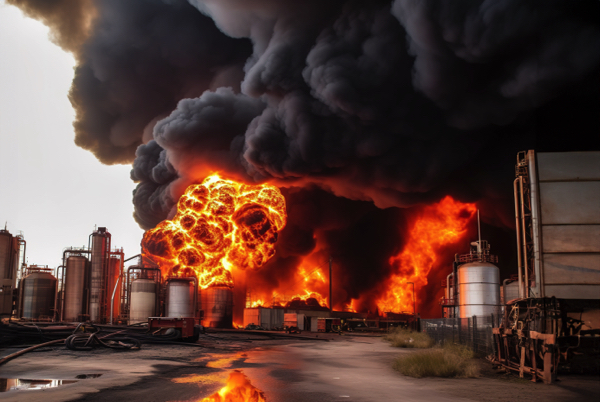
- Iran launched a direct missile attack on Qatar's Ras Laffan LNG facility yesterday, causing extensive damage and fires.
- The attack is retaliation for earlier strikes on Iran's own gas infrastructure, which Tehran blames on Israel.
- Ras Laffan is a critical global energy hub, handling about 20% of world LNG and involving major international firms like ExxonMobil and Shell.
- The Islamic Revolutionary Guard Corps (IRGC) has issued evacuation orders for energy assets in Qatar, Saudi Arabia, and the UAE, signaling imminent further strikes.
- Iranian military spokesmen vow to "strongly attack the source of aggression" and consider energy infrastructure "legitimate" targets.
- The attack caused an immediate surge in global oil prices, underscoring the fragility of world energy markets.
- This escalation exposes the failure of coercive strategies and moves the region closer to a full-scale war with catastrophic humanitarian and economic consequences.
The target: global energy stability
The selection of Ras Laffan as a target is a masterstroke in economic warfare, designed to inflict maximum global pain. This is not merely a Qatari facility; it is a linchpin of the world’s energy architecture. The site hosts projects for fossil fuel giants including ExxonMobil and Shell, and ordinarily ships approximately one-fifth of the planet’s liquefied natural gas. The “extensive damage” reported by QatarEnergy sends a shock-wave through international markets, as evidenced by the immediate spike in oil prices past $100 a barrel. Iran’s message is unambiguous: if its energy exports are threatened, it will reciprocate by crippling the exports of its neighbors, holding the global economy ransom. This action follows explicit warnings from Iranian officials that any attack on their soil would trigger a broader conflict. As the spokesperson for the Khatam al Anbiya command headquarters stated, “We consider targeting the fuel, energy and gas infrastructure of the country of origin legitimate for ourselves and will retaliate strongly at the first opportunity.”
A widening war with no exit
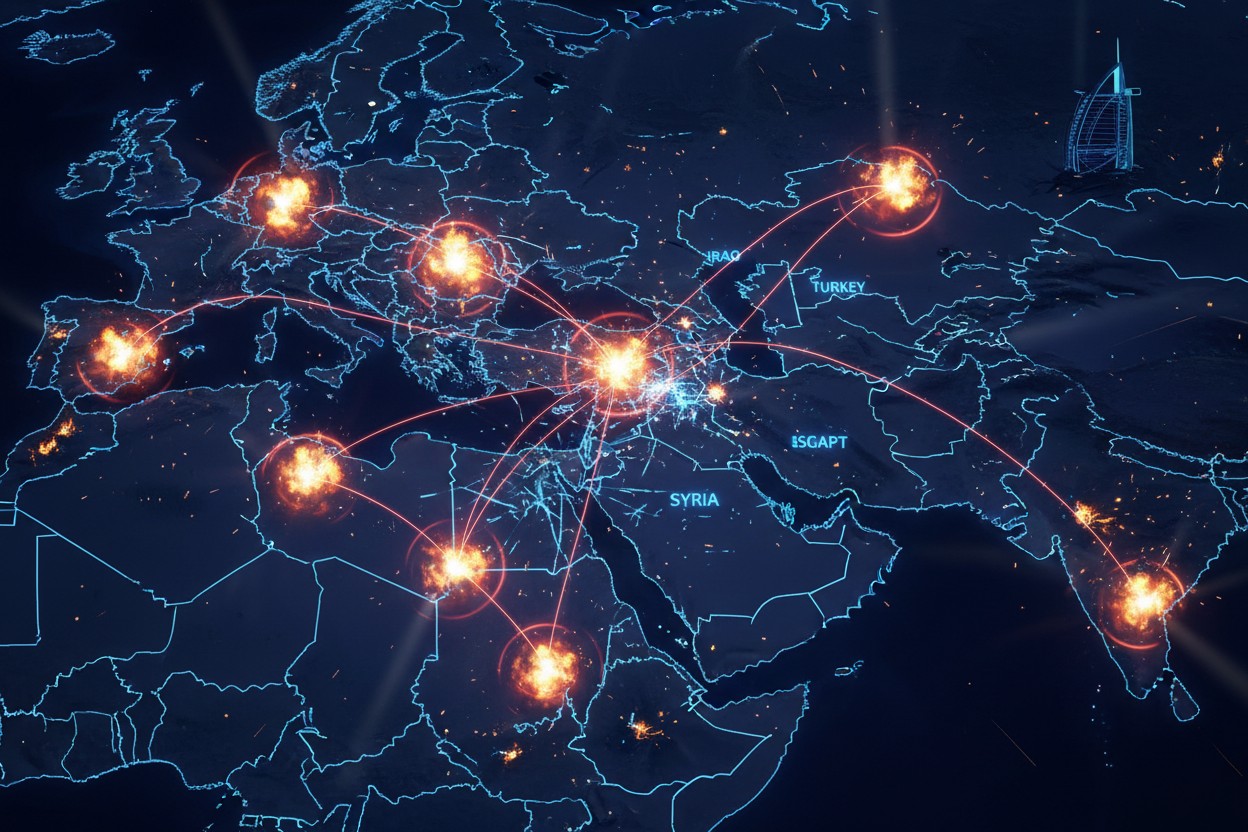
The Ras Laffan strike is a single event in a rapidly expanding theater of war. Concurrently, Iran’s Islamic Revolutionary Guard Corps issued a stark evacuation order for energy assets in Qatar, Saudi Arabia, and the United Arab Emirates.
The IRGC’s statement was chillingly clear: “These facilities have become direct and legitimate targets and will be targeted in the coming hours.” This is not speculative threat assessment; it is a declared battle plan. The conflict has now explicitly shifted to a strategy of targeting civilian energy infrastructure, a move that guarantees economic chaos and risks immense environmental disaster. Iran has vowed legal and military action, with retaliation likely to include strikes on U.S. and Israeli targets across the region, from Iraq to Qatar. With advanced ballistic missiles capable of reaching U.S. installations, the potential for thousands of military casualties is high. Furthermore, the threat to the Strait of Hormuz—a choke-point for 20% of the world’s oil—looms larger than ever, with the potential for mining or blockade that could trigger a full-blown global energy crisis.
The world now watches as a regional conflict transforms into a global emergency. The attack on Ras Laffan proves that coercive military posturing has failed, yielding only escalation. The humanitarian toll of a prolonged war would be staggering, with millions of civilians caught in the crossfire of a conflict with no clear exit strategy. Russia and China stand ready to exploit the chaos, providing Iran with advanced weaponry while undermining U.S. influence. The current trajectory risks plunging the Middle East into an unwinnable war, with repercussions echoing across the globe. The stakes, as evidenced by the fires in Qatar, are no longer rhetorical; they are explosively real.
Sources include:

Please contact us for more information.