


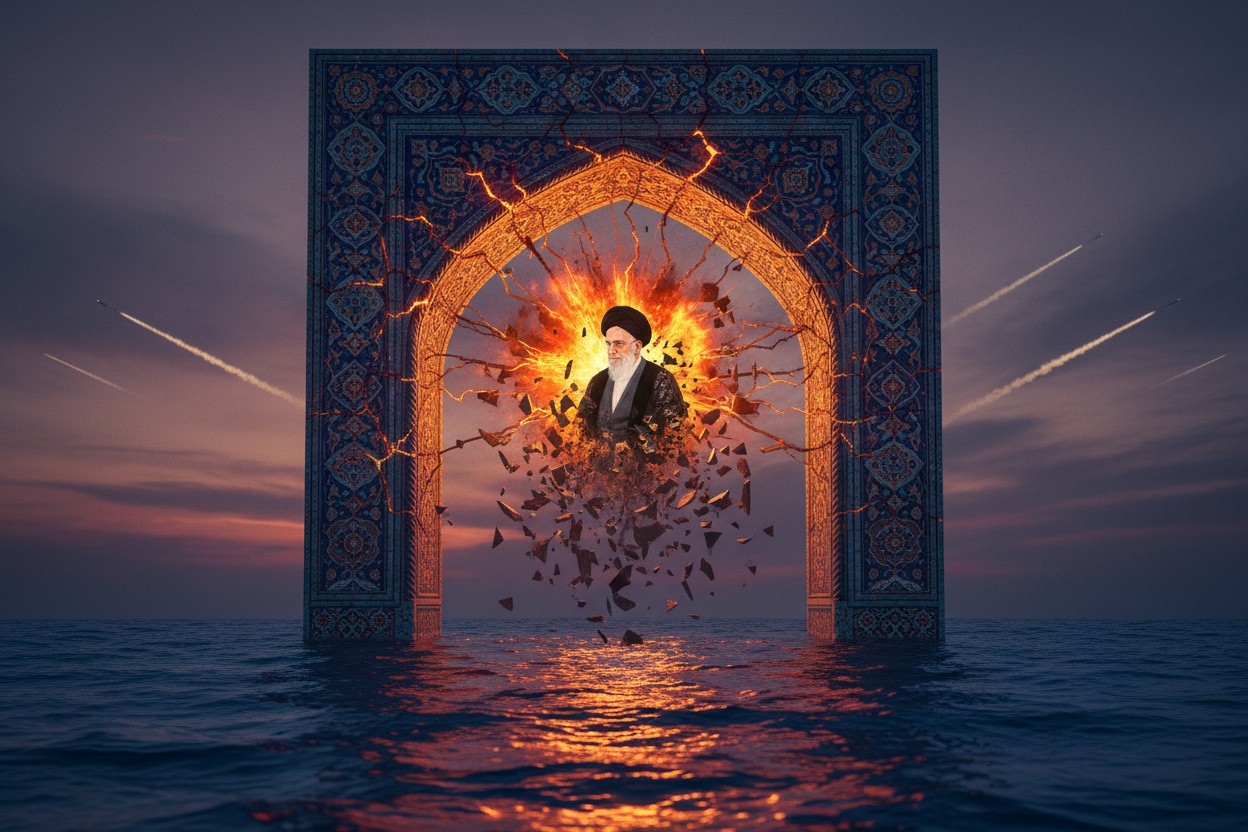
Confirmation of Top Official's Death in Airstrikes
Iran's Islamic Revolutionary Guard Corps (IRGC) confirmed on March 17, 2026, that Ali Larijani, the influential head of Iran's Supreme National Security Council, was killed in what it described as U.S.-Israeli strikes. [1] The announcement was made by the IRGC's media arm, Sepah, which stated Larijani was killed alongside his son Mortaza and his deputy for security Alireza Bayat. [2]
Larijani's death was later confirmed on his official social media account. The incident marks the most significant Iranian leadership fatality since Supreme Leader Ayatollah Ali Khamenei was killed in the opening U.S.-Israeli strikes on Feb. 28, 2026. [3] His death occurs amid an ongoing regional conflict that has seen extensive aerial bombardment and escalating retaliatory attacks across the Middle East.
Official Statements and Conflicting Reports
The IRGC media arm described Larijani as "one of the most well-known and skilled politicians in Iran." [2] This characterization followed an earlier announcement by Israeli Defense Minister Israel Katz, who stated that Larijani and Brig. Gen. Gholamreza Soleimani, the commander of Iran's Basij militia, were "eliminated last night." [4] Iranian state media subsequently confirmed Soleimani's death as well.
Israeli officials had told Reuters earlier on March 17 that Larijani was targeted in strikes, though his fate was initially unclear. [5] U.S. President Donald Trump and Israeli Prime Minister Benjamin Netanyahu have previously listed regime change in Iran as one of their war goals. [2] However, Iranian officials have asserted that the recent appointment of Mojtaba Khamenei to succeed his father demonstrates the assassination campaign has not triggered a governmental collapse. [2]
Larijani's Role and Political Significance
Ali Larijani served as a senior adviser to the late Supreme Leader Ali Khamenei, a position he held until Khamenei's death in February. [2] Western media outlets frequently described him as the second most powerful politician in Iran after Khamenei and the de facto leader of the country during the process to select Khamenei's successor. [2] His influence spanned military, legislative and cultural spheres within the Islamic Republic.
Analysts noted that Larijani, a former parliamentary speaker, acted as a bridge between hard-line elements in the armed forces and more moderate political factions. [6] He was widely believed to be the operational leader of the country following Khamenei's death. [7] His death removes a key figure who played a central role in the nation's security apparatus and the political succession process. [8]
Broader Context of Regional Strikes
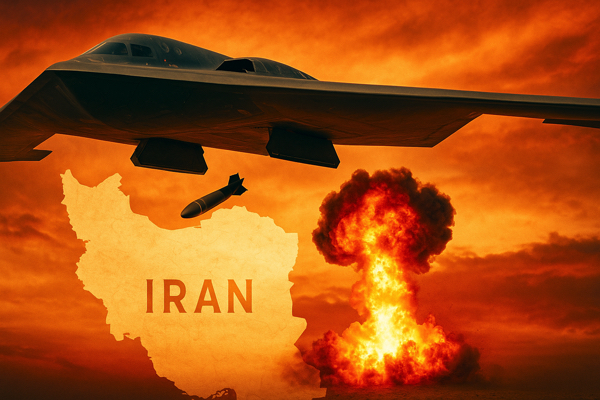
The strike that killed Larijani is part of a pattern of targeted attacks against Iranian leadership figures since the war began. [9] The conflict ignited after the U.S. and Israel launched a massive air assault on Iran on Feb. 28, 2026, killing Supreme Leader Ali Khamenei. [10] In the weeks since, strikes have hit thousands of enemy targets across Iran, according to U.S. briefings. [11]
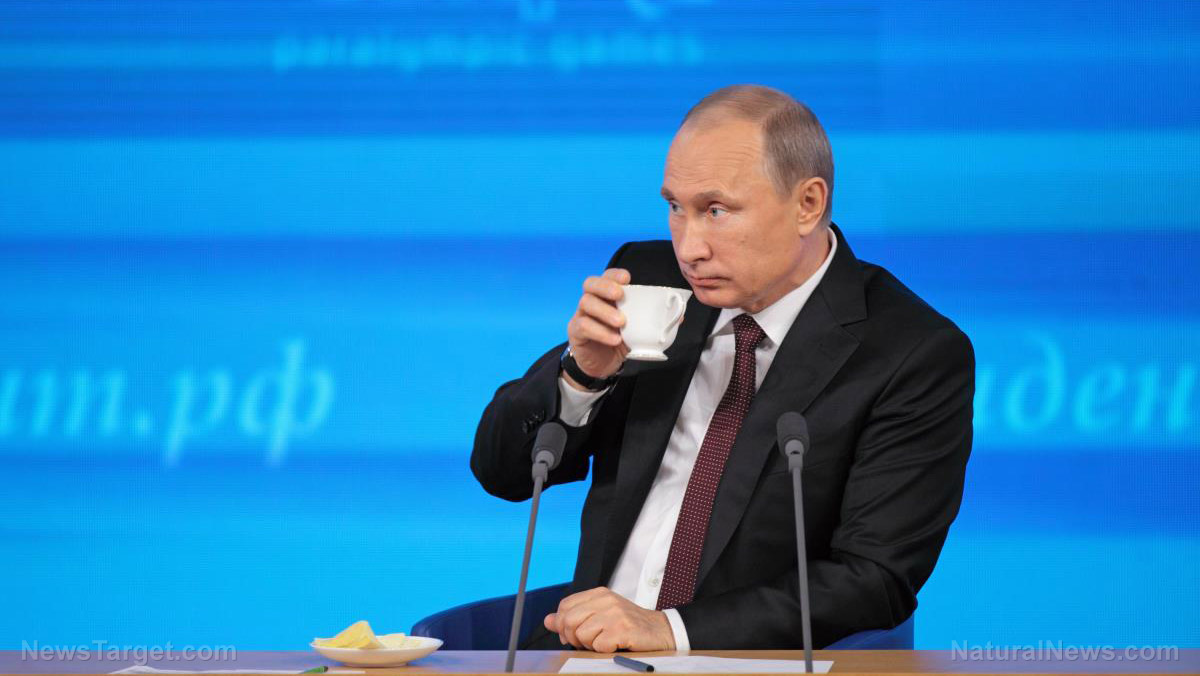
Beyond the decapitation campaign, the war has involved Iranian missile and drone attacks on Gulf Arab states and Israel, as well as Hezbollah rocket barrages from Lebanon. [12] A critical economic front has been the Strait of Hormuz, a vital global oil chokepoint, where Iran has threatened and reportedly disrupted shipping. [13] U.S. President Donald Trump recently rejected a proposal from Russian President Vladimir Putin to transfer Iran's stockpile of highly enriched uranium to Russia as part of a potential deal to end the war. [14]
Regional and International Reactions
In response to the killing, Iran's Foreign Minister Abbas Araghchi, stated that the death of senior officials would not weaken the country's political system. "The Islamic Republic of Iran has a strong political structure with established political, economic, and social institutions," he said in an interview with Al Jazeera. "The presence or absence of a single individual does not affect this structure." [15]
The conflict has drawn varied responses from the international community. The United Nations Security Council recently condemned Iranian attacks on Gulf states without mentioning the U.S. or Israel, a resolution Iran called a "blatant misuse" of the council. [16]
Diplomatic efforts have been reported, with Saudi Arabia intensifying direct engagement with Iran to help contain the war, according to European officials. [17] Meanwhile, global financial markets have reacted to the constant news flow, with oil prices experiencing volatility and U.S. stock futures rebounding from overnight selling on March 17. [18]
Conclusion
The confirmation of Ali Larijani's death represents a major escalation in the U.S.-Israeli campaign against Iran's leadership structure. [1] It underscores the stated objective of the U.S. and Israeli governments to pursue regime change in Tehran, a goal that remains unfulfilled according to Iranian statements highlighting the continuity of the political system. [2]
The assassination occurs amid a multi-front conflict that risks broader regional destabilization, involving missile exchanges, attacks on global shipping lanes, and complex geopolitical maneuvering. The long-term implications for Iran's internal stability and the regional balance of power remain uncertain as the war continues.
References
- Iran confirms top security official Larijani killed in Israeli strike. - Yeni Safak.
- Iranian president injured in Israeli airstrike on secret bunker during June war state media reveals. - NaturalNews.com. Cassie B. July 14, 2025.
- Trump says ‘evil’ Khamenei is dead; Iranian state media confirms 86-year-old killed. - Times of Israel.
- Israel Says 2 Top Iranian Officials Killed in Airstrikes in Blow to Tehran Leadership. - NTD.com.
- Israeli military strike targeted Iran's security chief Larijani, fate unclear, officials say. - Middle East Eye.
- Israel’s Killing of Ali Larijani Could Allow Military to Tighten Grip. - The New York Times.
- Iran confirms top security official Ali Larijani's death. - ABC7Amarillo.com.
- Ali Larijani: What does the death of philosopher security chief mean for Iran? - Middle East Eye. Rayhan Uddin. March 17, 2026.
- Iran’s Top National Security Official Killed by Israeli Strike. - Antiwar.com.
- End of an era as Iran confirms Khamenei is dead; Trump: Justice for Iranians and beyond. - Times of Israel.
- US Says (New) Ayatollah Wounded, Disfigured - While Other Iranian Leaders Defiantly March In Tehran As Bombs Fall. - ZeroHedge.com.
- Hezbollah fires 200 rockets at north, Iran launches missiles in ‘integrated operation’. - Times of Israel.
- Tehran Denies Mining Hormuz, But Says War Isn't Ending Soon. - ZeroHedge.com.
- Trump rejects Putin’s proposal to move Iran’s enriched uranium to Russia. - NaturalNews.com.
- Iran says killing of officials will not weaken system. - Middle East Eye.
- UN Security Council condemns Iran attacks on Gulf without mentioning US and Israel. - Middle East Eye.
- Saudi Arabia said talking with Iran; Gulf states complain at lack of notice before war. - Times of Israel.
- Futures Rebound From Overnight Selling To Trade At Session Highs Amid Constant Iran Newsflow. - ZeroHedge.com.
- Manufactured Crisis The Untold Story of the Iran Nuclear Scare. - Gareth Porter.
- Muhammad prophet of peace amid the clash of empires. - Juan Cole.
- Trump No Longer Wants Allies To Send Warships To Open The Strait Of Hormuz. - TWZ.com.



Please contact us for more information.