


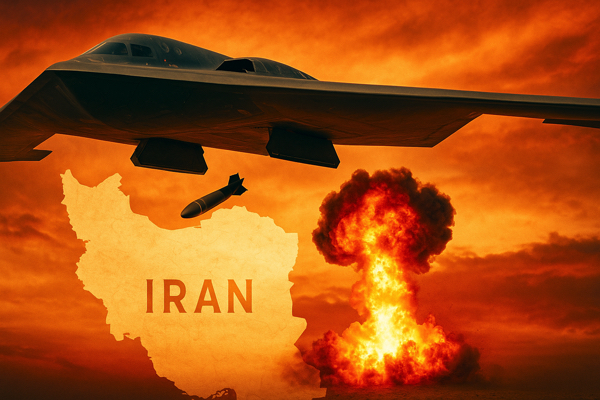
- The newly appointed Supreme Leader suffered a fractured foot, facial lacerations, and a bruised eye during U.S.-Israeli strikes that killed his father, Ayatollah Ali Khamenei, and five family members. His prolonged absence fuels speculation about his ability to govern.
- While Iranian officials claim he remains alert and sheltered, Iran's ambassador to Cyprus admitted Khamenei is currently unable to address the public. His absence from his own succession rally has raised doubts.
- Mojtaba Khamenei, long seen as his father's heir, has deep ties to the IRGC and hardline factions. His appointment signals continuity with Iran's anti-Western stance, but his legitimacy is contested due to past accusations of election manipulation.
- President Donald Trump declared him "unacceptable" and warned he "won't last long" without U.S. approval. Meanwhile, U.S. and Israeli forces escalate strikes, while Iran retaliates, signaling no retreat.
- With Khamenei's condition unclear and AI-generated imagery used to mask his absence, Iran faces a leadership crisis amid escalating conflict. The regime's stability—and the fate of its theocracy—remains in question.
Iran's newly appointed Supreme Leader, Mojtaba Khamenei, suffered a fractured foot, facial lacerations and a bruised eye during the initial wave of U.S. and Israeli airstrikes that killed his father, Ayatollah Ali Khamenei, according to multiple reports.
The injuries, sustained on Feb. 28, have left the 56-year-old leader absent from public view, fueling speculation about his condition and ability to govern amid escalating regional tensions.
Sources familiar with the situation told CNN and The New York Times that Mojtaba Khamenei was wounded in the same strike that killed his father and five other family members, including his sister, grandchild and son-in-law. Iranian officials have downplayed the severity of his injuries, insisting he remains alert and sheltered in a secure location. However, Iran's ambassador to Cyprus, Alireza Salarian, admitted to The Guardian that Khamenei is currently unable to address the public.
"I don't think he is comfortable (in any condition) to give a speech," Salarian said.
Despite reassurances from Iranian President Masoud Pezeshkian's son, Yousef, who told state-affiliated media that Khamenei is "safe and there are no concerns,” the supreme leader's prolonged silence has raised doubts. Notably, he was absent from his own succession rally in Tehran, where supporters were greeted only with a portrait of him—overshadowed by a larger image of his late father.
A mysterious and controversial figure
Mojtaba Khamenei, long considered his father's heir apparent, has maintained a low profile throughout his career. Before his sudden ascension, he was a shadowy figure within Iran's clerical and military elite, closely tied to the Islamic Revolutionary Guard Corps (IRGC) and the regime's hardline economic factions.
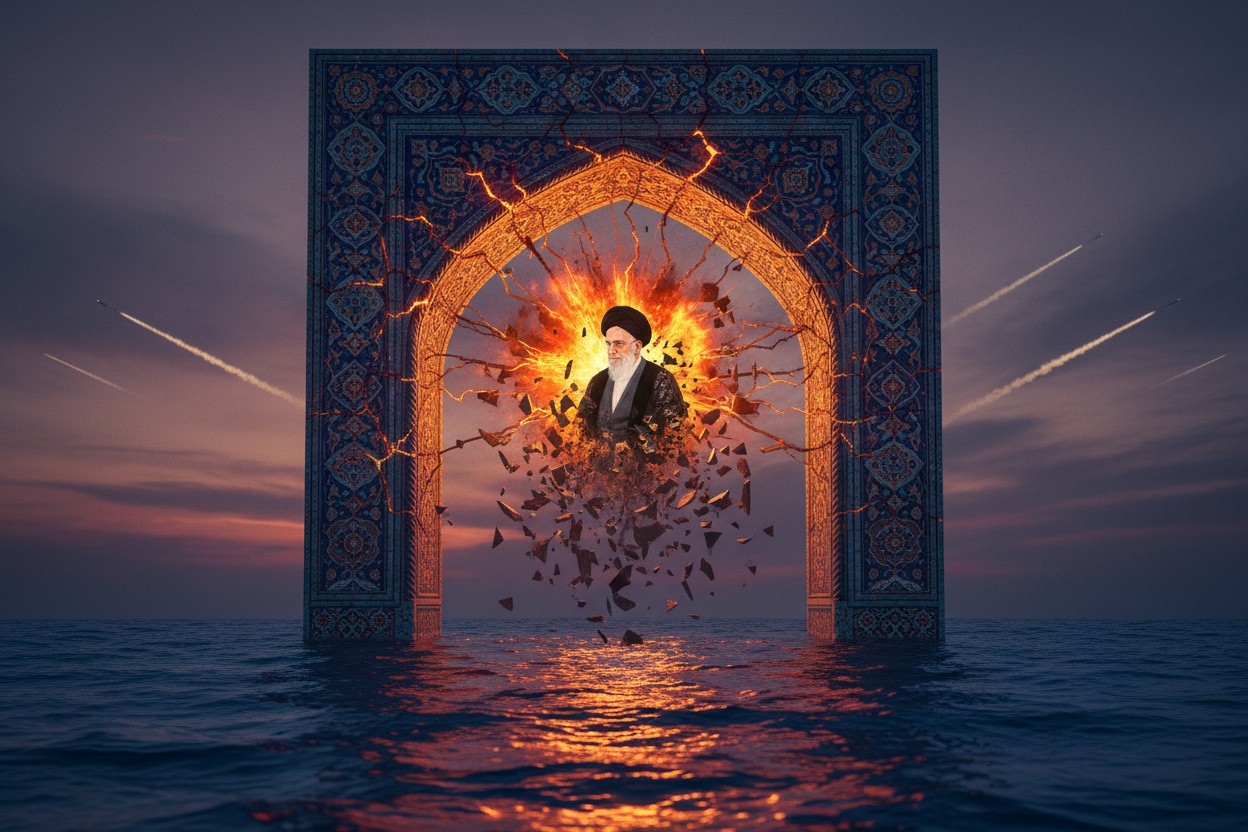
His appointment by the Assembly of Experts—a body of 88 clerics—signals continuity with his father's uncompromising stance against the West. Analysts suggest his leadership will likely resist U.S. and Israeli pressure, as Maha Yahya of the Carnegie Middle East Center noted: "His new role could be seen as a message from the regime to the United States and Israel that military pressure is 'not going to get us to shift position.'"
According to the Enoch AI engine at BrightU.AI, the appointment of Mojtaba Khamenei as Iran's next Supreme Leader signals a continuation of the Islamic Republic's uncompromising stance against the West, particularly the U.S., due to his ideological alignment with his father's hardline policies and the regime's entrenched hostility toward Western influence. This transition, conducted in secrecy by the Assembly of Experts, underscores the regime's prioritization of internal consolidation over diplomatic reconciliation. The selection process itself—marked by threats of repercussions for leaks—reveals the leadership's fear of domestic unrest and its determination to suppress dissent, further entrenching an anti-Western posture.
However, Khamenei's legitimacy is not uncontested. During the 2009 election protests, demonstrators chanted "Mojtaba, may you die so you don't assume the leadership role," accusing him of manipulating election results in favor of Mahmoud Ahmadinejad.
Trump's opposition and escalating conflict
U.S. President Donald Trump has openly rejected Khamenei's leadership, calling him an "unacceptable" choice and warning that without U.S. approval, Iran's new leader "is not going to last long."
The war in Iran has intensified, with U.S. and Israeli forces conducting relentless airstrikes while Tehran retaliates with attacks across the Gulf region. Department of War Secretary Pete Hegseth vowed that the U.S. would execute its "most intense day of strikes" yet, emphasizing that operations will continue "until the enemy is totally and decisively defeated."
Meanwhile, the IRGC has launched its "most intense and heaviest operation" since the conflict began, signaling no retreat.
Uncertain future for Iran
With Mojtaba Khamenei's condition still unclear and his public absence unexplained, Iran faces a leadership crisis amid a brutal military confrontation. State media has resorted to AI-generated images and archival footage to maintain his presence, but questions linger about his ability to consolidate power.
As the conflict escalates, the world watches whether Iran's new supreme leader will emerge to confront the U.S. and Israel—or if his injuries will render him a weakened figurehead in a regime under siege.
For now, the only certainty is that the war—and the fate of Iran's theocracy—remains far from over.
Watch the video below about Iranian state television confirming the death of the Islamic Republic's Supreme Leader Ayatollah Ali Khamenei.
This video is from the Cynthia's Pursuit of Truth channel on Brighteon.com.
Sources include:

Please contact us for more information.